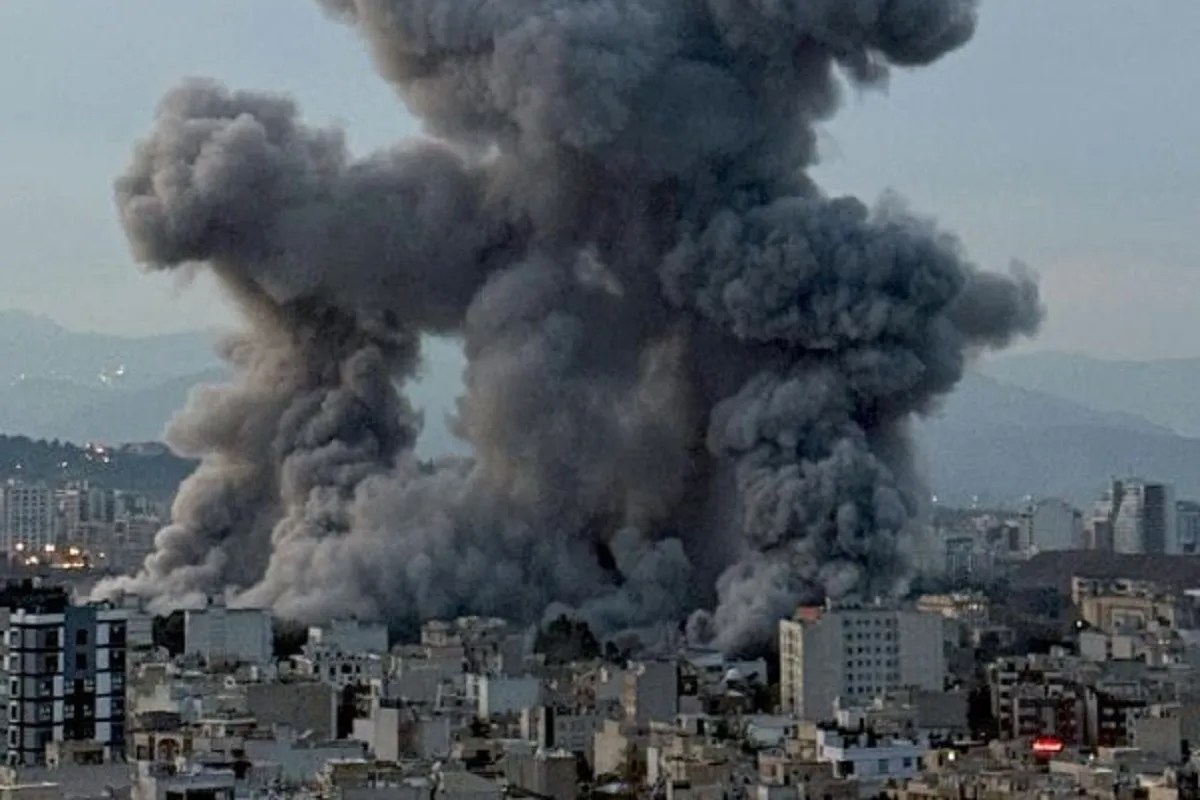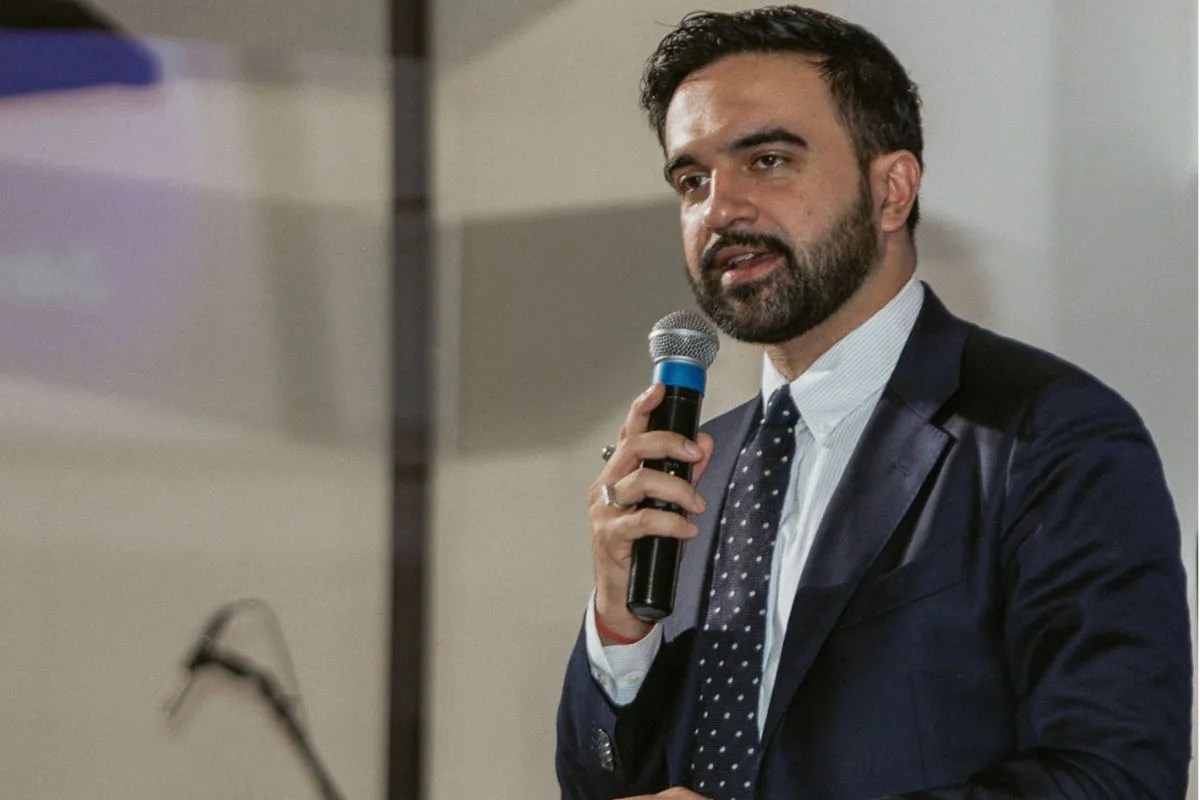
Donald Trump finds himself in a tightening vice. While the White House rattles sabers toward Tehran, the streets of New York and Washington are pushing back with a ferocity that suggests America is tired of "forever wars." It isn't just a political disagreement anymore. It's a full-blown domestic crisis. When the Mayor of New York City, Bill de Blasio, stands up and calls for resistance at every level, you know the narrative has shifted from foreign policy to a battle for the soul of the country's military involvement.
The tension isn't just overseas. It's in our subways, our city halls, and our dinner table conversations. People aren't buying the "imminent threat" line as easily as they might have decades ago. We've seen this movie before. We know how it ends. And frankly, a lot of Americans are refusing to watch the sequel.
New York City Leads the Charge Against Escalation
Bill de Blasio didn't mince words. He shouldn't have to. When you're the mayor of the most prominent city in the world, a city that bears the scars of international conflict more than any other, you have a right to be loud. De Blasio's call for "resistance at every level" isn't just rhetoric. It's a logistical nightmare for a federal administration trying to drum up support for a new front in the Middle East.
New York is on high alert. That's the reality. Whenever a President pushes toward a clash with a regional power like Iran, cities like New York have to foot the bill for increased security and live under the shadow of potential retaliation. De Blasio is tapping into a very real fear that Trump's actions are making Americans less safe, not more. He’s essentially saying that the city won’t just sit back and let the federal government dictate a march toward chaos.
The pushback is organized. We're seeing protests pop up in Times Square and outside Trump Tower. These aren't just small groups of activists. They’re coalitions of veterans, students, and everyday New Yorkers who remember the long-tail consequences of Iraq and Afghanistan. They don't want a third act.
The Republican Split Nobody is Talking About
You’d think the GOP would be a monolith on this. They aren't. While the base loves the "tough guy" persona, several libertarian-leaning Republicans and even some traditional hawks are nervous. They're worried about the lack of a clear exit strategy. Trump famously campaigned on ending wars, not starting them. This pivot toward Iran feels like a betrayal of that core "America First" promise to a specific slice of his electorate.
I’ve talked to people who voted for him specifically because he promised to bring the troops home. Now? They feel like they’re being led into a trap. Iran isn't a pushover. It’s a sophisticated military power with deep ties throughout the region. A war there wouldn't be a "cakewalk." It would be a generational quagmire.
The internal pressure is mounting. If Trump loses the anti-interventionist wing of his party, his path to a unified front disappears. He’s fighting a war on two fronts: one with the Ayatollahs and one with his own disillusioned supporters.
Why the Imminent Threat Narrative is Failing
The administration keeps talking about intelligence. They keep mentioning "imminent threats" to American lives. But here’s the problem: the public's trust in intelligence agencies is at an all-time low. After the 2003 WMD fiasco, you can't just say "trust us" and expect people to line up.
People want proof. They want to see the receipts. When the government fails to provide clear, unclassified evidence of why a strike was necessary or why further escalation is required, the vacuum gets filled by skepticism. This skepticism is the oxygen for the protests we're seeing.
- Public Fatigue: Two decades of conflict have exhausted the national psyche.
- Economic Anxiety: People wonder why we have billions for missiles but struggle to fund local infrastructure.
- Global Isolation: Many of our traditional allies are backing away, leaving the U.S. looking like a lone wolf.
The Mayor vs the President
This isn't just about de Blasio. It’s about the power of local government to frustrate federal ambition. When a mayor says "protest at every level," they're talking about more than just marching. They're talking about non-cooperation. They're talking about using the bully pulpit to sway public opinion in a way that makes it politically impossible for the President to move forward without massive backlash.
Trump thrives on conflict, but usually, he chooses the battlefield. This time, the battlefield is his own front yard. Every time he tweets about Iran, he’s met with a wave of dissent from the very people he needs to keep the country running smoothly.
It’s a classic power struggle. The federal government has the drones and the carriers, but the cities have the people. And right now, the people in major urban centers are saying "not in our name."
Steps You Can Take to Stay Informed
Don't just read the headlines. The situation changes by the hour, and the nuance is often lost in the noise of cable news. You need to look at what's actually happening on the ground in both D.C. and the cities where the protests are loudest.
- Check Multiple Sources: Follow international news outlets like the BBC or Al Jazeera alongside domestic ones to get a broader perspective on how the world views the escalation.
- Contact Your Reps: Regardless of your stance, let your local representatives know. They're feeling the heat from these local protests, and your voice adds to that pressure.
- Monitor Local Security Briefings: If you live in a major city like New York, stay tuned to local police and mayoral updates. The domestic impact of foreign tension often shows up first in city-wide security changes.
- Look for the Money: Follow the budget debates in Congress. War costs money, and watching where the funds are being shifted tells you more about the administration's true intentions than any press conference ever will.
The reality is that Donald Trump is in a corner. He’s trying to project strength abroad while his domestic support is fraying at the edges. Whether he listens to the streets of New York or the hawks in his inner circle will define the next decade of American history. The protests aren't just noise. They're a signal that the old ways of drum-beating for war don't work in a country that's already seen enough of it.