The glow of a smartphone at 3:00 AM isn’t just light. It is a portal into the rawest, most unvarnished corners of the human psyche. We sit in the dark, thumbs hovering over glass, deciding in a split second how to react to the death of a man we never met, but whom we have been taught to either lionize or loathe.
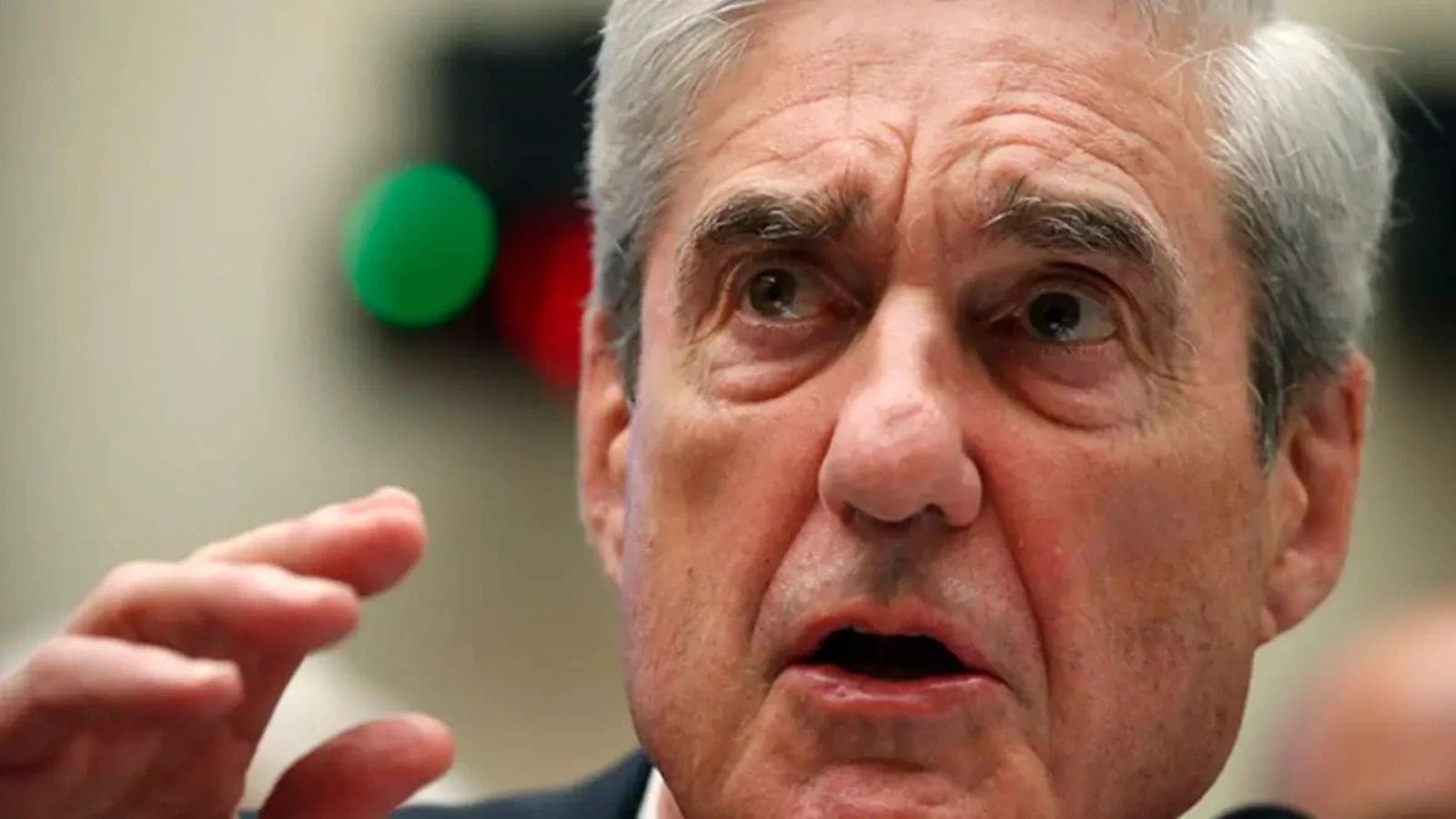
When news broke that Robert Mueller—the former FBI Director whose name became a shorthand for political salvation or deep-state conspiracy—had passed away, the digital world didn’t pause for a moment of silence. It erupted. In similar news, take a look at: The Sabotage of the Sultans.
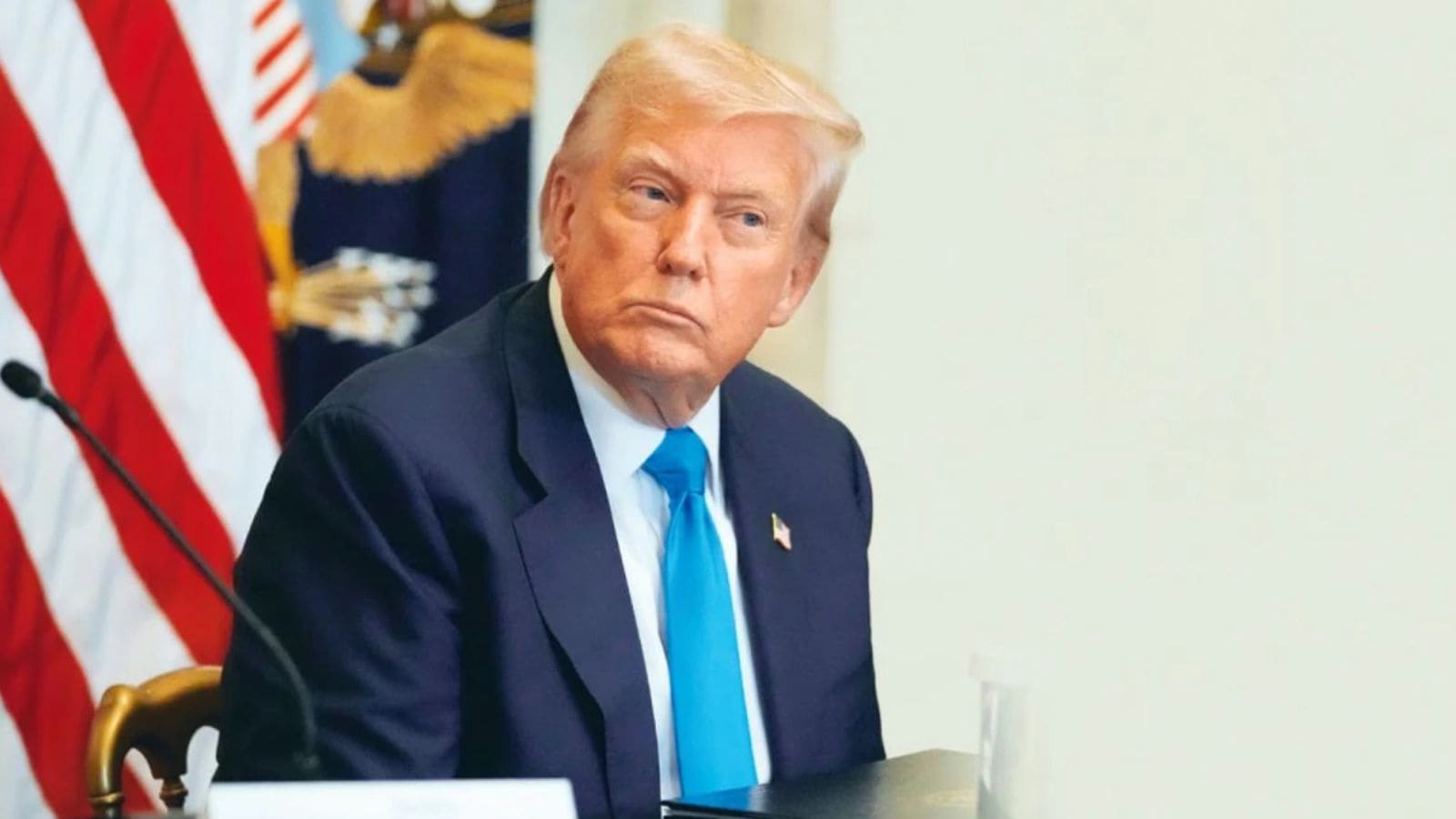
Specifically, it erupted because of a post from Donald Trump. It wasn't a eulogy. It wasn't a "rest in peace." It was a victory lap taken over a casket.
Politics has always been blood sport, but we have reached a shore where the traditional white flag of death is no longer recognized. In the old world, even the most bitter rivals would offer a stilted, respectful nod when a giant fell. It was a social contract that suggested, however briefly, that the personhood of the deceased mattered more than the policy they enacted. That contract has been shredded. The New York Times has analyzed this fascinating topic in great detail.
The Man Behind the Dossier
To understand the weight of the reaction, you have to remember who Robert Mueller was before he became a cable news caricature. He was a Marine. He was a man who walked into the line of fire in Vietnam and came home with a Bronze Star and a Purple Heart. He was a lifelong public servant who took over the FBI just one week before the planes hit the towers on September 11.
For decades, Mueller was the personification of the "straight arrow." He was the guy who didn't care about the optics, only the evidence.
Then came 2017.
Suddenly, this career prosecutor was thrust into the center of a storm that would define the rest of his life. To the left, he became a "savior" in a suit, the man who would surely provide the silver bullet to end the Trump presidency. To the right, he was the architect of a "witch hunt," a partisan hack out to subvert the will of the people.
Both sides were wrong. Mueller was neither a superhero nor a villain; he was a bureaucrat bound by rules in an era that had decided rules were for the weak.
The Post That Broke the Norms
When the announcement of Mueller’s passing hit the wires, the former president didn't reach for the standard template of presidential condolence. He reached for his usual weapon: grievance.
The post was celebratory. It revisited the "No Collusion" mantra. It painted Mueller not as a deceased public servant, but as a defeated foe whose exit was a cause for cheers.
The backlash was instantaneous. Critics called it "vile." They called it "disgusting." They used words like "sociopathic" to describe the lack of basic human empathy required to dance on the grave of a man who spent his final years being picked apart by the very machine he tried to serve.
But if we look closer, the outrage isn't just about one man’s lack of decorum. It’s about the terrifying realization that we have lost our ability to see the human being beneath the political label. When Trump posted that message, he wasn't just talking to his base; he was reinforcing a new reality where the death of an opponent is merely another "win" for the brand.
The Invisible Stakes of Digital Cruelty
Consider a hypothetical family sitting at a dinner table in a small town. The father, a veteran, remembers Mueller as the hero of the FBI. The son, a staunch MAGA supporter, sees him as the man who tried to "steal" an election. When they see that celebratory post, the father feels a pang of loss for a world that respected service. The son feels a rush of vindication.
The gap between them widens.
This is the hidden cost of the "celebratory" post. It isn't just about being "mean" on the internet. It is about the systematic dismantling of the shared values that allow a society to function. If we cannot agree that a man’s death deserves a moment of solemnity, we cannot agree on anything.
We are living in a feedback loop of performative cruelty. The more "vile" the comment, the more engagement it receives. The more engagement it receives, the more it is perceived as "authentic." In this economy, kindness is seen as a weakness, and empathy is viewed as a betrayal of the cause.
The Weight of the Long Game
Robert Mueller spent two years leading an investigation that consumed the national consciousness. He sat in front of Congress, his voice sometimes wavering, looking every bit the age he was, trying to explain the complexities of law to a room full of people who only wanted soundbites.
He was a man who followed the process to the letter. He didn't leak. He didn't do talk shows. He didn't write a tell-all book while the ink was still wet on the subpoenas. In many ways, he was the last of a dying breed—the silent professional.
The contrast between Mueller’s silence and Trump’s noise is the defining tension of our age. One man believed the institution was more important than the individual. The other believes the individual is the only institution that matters.
When Trump faces criticism for these posts, his supporters often argue that he is "fighting back." They see it as a refusal to be "canceled" by the elite. But there is a difference between fighting for a policy and fighting against the basic tenets of human decency.
A Culture of No Return
The reaction to Mueller’s death serves as a mirror. It shows us a reflection of a society that has become addicted to the rush of the "burn." We have traded the long-term health of our communities for the short-term dopamine hit of a viral insult.
When we see a post that mocks the dead, we are seeing the logical conclusion of a decade spent dehumanizing "the other side." If the person on the other side of the aisle isn't just wrong, but "evil," then their death isn't a tragedy. It’s a victory.
But what happens when the victory is won?
What happens when we have finally insulted every opponent into the ground? We are left in a wasteland of our own making, surrounded by the ghosts of people we refused to understand.
The "vile" nature of the post isn't just in the words themselves. It is in the silence that follows. The silence where a prayer or a respectful thought used to live.
We are watching the death of the "gray area." In Mueller’s world, the law was a series of gray areas, nuances, and careful deliberations. In the world of the 3:00 AM post, everything is binary. Black or white. Winner or loser. Alive or "celebrated" in death.
As the news cycle moves on to the next outrage, the image that remains isn't of a prosecutor or a president. It is the image of a nation standing at a crossroads, looking down at a grave, and realizing that we have forgotten how to mourn.
The screen goes dark, but the coldness lingers. We have won the argument, but we have lost the soul of the conversation.