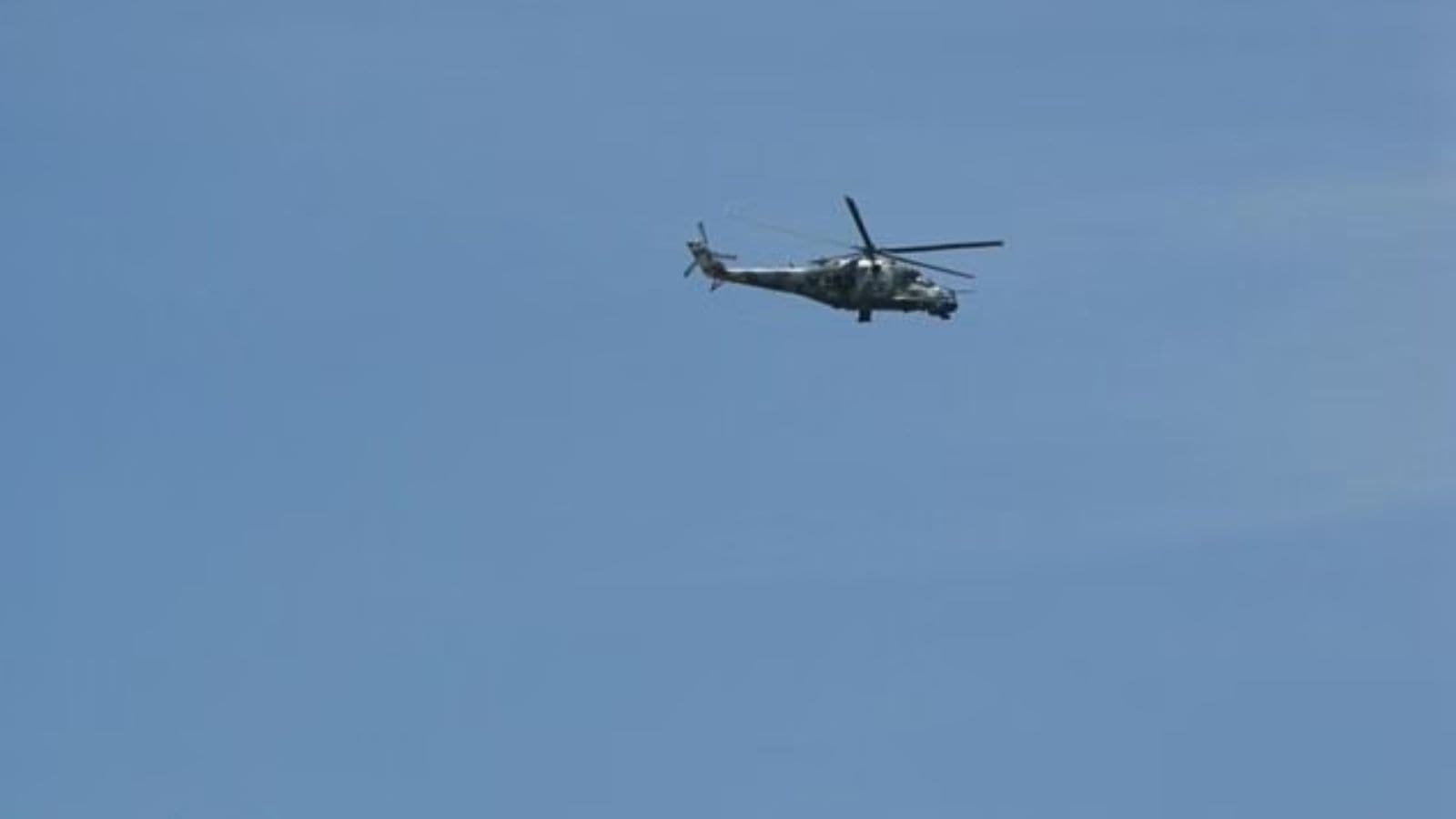
The sky over Bitlis does not forgive. In the rugged southeast of Turkey, the mountains rise like jagged teeth, biting into the clouds until the blue turns to a deceptive, high-altitude grey. It is a place where the wind doesn't just blow; it hunts. On a Thursday that began like any other military routine, a Cougar helicopter lifted off from Bingöl, carrying eleven men toward Tatvan. They were not just names on a manifest. They were sons, fathers, and seasoned commanders, including Lieutenant General Osman Erbaş, a man whose career was etched into the very fabric of the Turkish Land Forces.
Then, the world went quiet.
Military aviation is a paradox of violent noise and delicate math. You have thousands of pounds of steel held aloft by the frantic beating of blades against thin air. When that rhythm breaks, the silence is instantaneous and terrifying. At 2:25 PM, the Turkish Ministry of National Defense lost contact. Somewhere between the peaks and the mist, the mechanical heart of the mission stopped. Seven men died in the initial impact. Four others were left broken in the snow, clinging to a life that the altitude was trying to steal.
We often treat military accidents as statistics—data points in a geopolitical ledger. We read the headlines and see "Seven dead" and our brains categorize it under "The Cost of Defense." But statistics do not bleed. They do not have daughters waiting by the door for a key to turn in the lock. To understand what happened in the mountains of Bitlis, we have to look past the official ministry press releases and into the cockpit where the invisible stakes of high-altitude flight become a matter of life and death.
The Eurocopter AS532 Cougar is a workhorse. It is a twin-engine beast designed to move troops through environments that would swallow a humvee whole. Yet, even the most sophisticated engineering is subject to the laws of physics. In the mountains, the weather is a shapeshifter. A clear flight path can transform into a whiteout of "clouds and sudden fog" within minutes. This isn't just a metaphor for bad luck; it is a technical nightmare known as Integrated Loss of Visual Reference. Imagine driving a car at eighty miles per hour and having someone suddenly paint your windshield black. Now imagine that car is flying, and the ground is not flat, but a series of vertical stone walls.
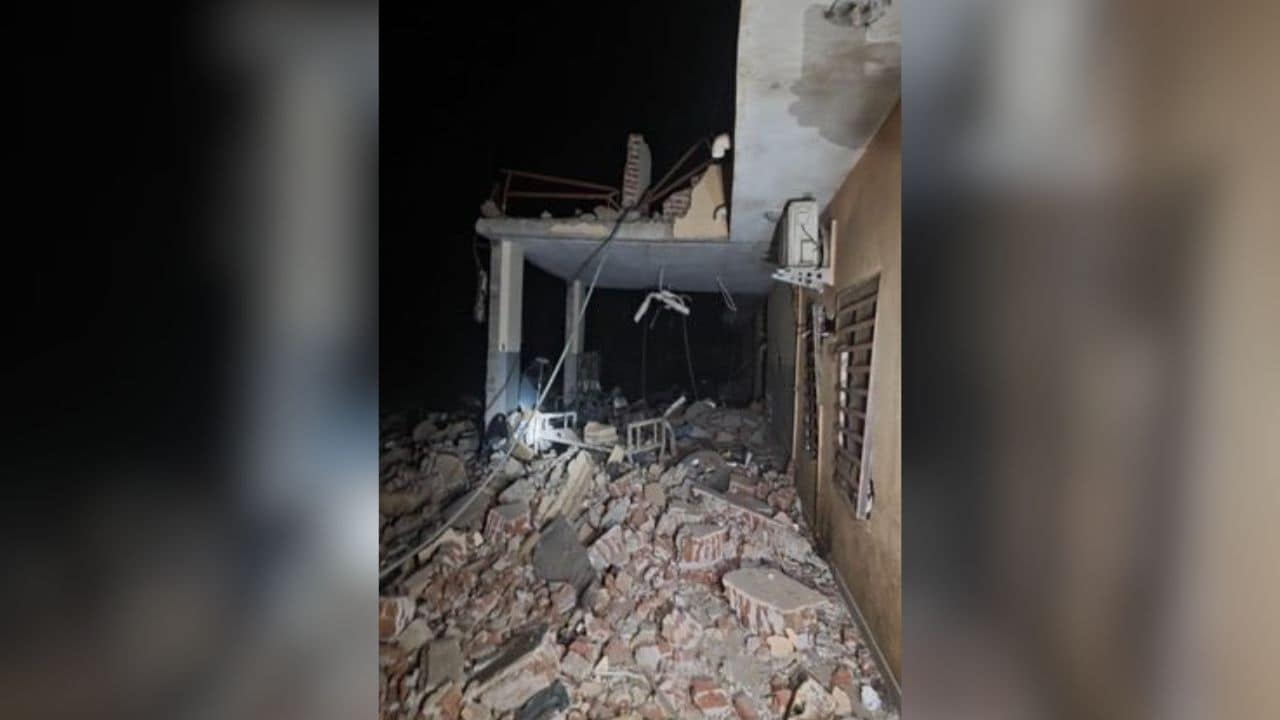
Lieutenant General Erbaş was not a novice. He was the commander of the 8th Corps. In the hierarchy of the military, a general of his stature is a repository of institutional memory and strategic wisdom. Losing him is not just losing a soldier; it is like losing a library. His presence on that flight signaled the importance of the mission, a routine transit that turned into a national tragedy. When the helicopter went down near the village of Çekmece, the rescue teams didn't just find wreckage. They found the heavy, somber reality of a nation's defense being tested by the elements.
Why do we keep flying into the teeth of the storm? Because the geography of Turkey demands it. The terrain in the southeast is a labyrinth of valleys and ridges where ground transport is slow, vulnerable, and often impossible during the winter months. The helicopter is the lifeline. It is the only way to project presence, to provide relief, and to maintain the vigil over borders that have seen too much conflict. The risk is built into the job description. Every pilot knows that the mountain always wins a fair fight, so they rely on technology, training, and a fair bit of grace to keep the odds in their favor.
Consider the mechanics of the crash. Initial reports pointed to "adverse weather conditions." In the cold language of an investigation, this means the environment exceeded the capabilities of the crew or the craft. But there is a deeper, more human layer to this. There is the "go-no-go" decision. It is the quiet conversation in the cockpit, the checking of dials, the look exchanged between a pilot and a co-pilot. They are weighing the urgency of the mission against the thickening grey outside the plexiglass. It is a heavy burden to carry when you have a general in the back and a destination that feels just within reach.
The aftermath of such a loss ripples outward in concentric circles of grief. First, the families. Then, the comrades in arms who must step into the same hangars the next morning and pre-flight the same model of aircraft. Finally, the nation. In Ankara, the flags fly at half-mast, and the political machinery pauses to pay respects. President Recep Tayyip Erdoğan communicated his condolences to Erbaş’s son, Yiğit Alp, a gesture that bridges the gap between the Commander-in-Chief and the grieving child. It reminds us that behind every uniform is a human story that began long before the flight and ended far too soon.
There is a specific kind of mourning reserved for those who die in training or transit. It lacks the immediate adrenaline of combat, which makes the loss feel strangely hollow, as if the universe made a clerical error. But the sacrifice is identical. The commitment to be in that seat, at that altitude, in that weather, is an act of service that began years ago in flight schools and barracks. It is a slow-motion bravery that culminates in a split second where the math stops working.
We look for answers in the black boxes and the twisted metal of the rotors. We want to know if it was engine failure, or if the "Cougar" legacy—a model that has seen other tragic incidents in Turkish service—is to blame. Since 1997, this particular airframe has been involved in several high-profile accidents in the region. Each time, the questions return. Is it the machine? Is it the maintenance? Or is it simply the unforgiving nature of the Anatolian heights?
But focusing solely on the hardware misses the point. The "invisible stakes" are the men who trust their lives to these machines every single day. They are the mechanics who work in sub-zero temperatures to ensure a bolt is tight. They are the weather observers trying to predict the unpredictable. And they are the commanders like Erbaş, who lead from the front, sharing the risks of the rank and file.
The tragedy in Bitlis is a reminder that peace has its own front lines. The training flights, the patrols, and the logistical hops are the quiet pulse of a country's security. When that pulse falters, the silence that follows is deafening. It is a silence that fills the living rooms of seven homes tonight. It is a silence that sits in the empty chair at the 8th Corps headquarters.
As the sun sets over the peaks of Tatvan, the snow will cover the site of the crash. The wreckage will be hauled away, and the investigators will file their reports. They will talk about "atmospheric pressure" and "spatial disorientation." They will use words that try to make sense of the senseless. But for those who knew the eleven men on board, the story isn't about physics. It’s about the gap left behind—a gap that no amount of technical explanation can ever truly fill.
The mountains remain. They do not care about the rank of the men who fly over them or the sophistication of the engines that roar through their canyons. They simply stand, indifferent and cold, waiting for the next set of rotors to challenge the mist. We are left to remember the seven who didn't come home, and the four who are fighting to stay, while the rest of us try to grasp the weight of a sky that can fall in an instant.
The true cost of the flight wasn't the millions of dollars of lost equipment. It was the lifetimes of experience, the unsaid goodbyes, and the sudden, sharp realization that even the highest-ranking among us are tethered to the earth by a very thin thread. When that thread snaps, all that remains is the echo of the engines and the enduring strength of those left to carry the memory of the fallen.