Energy independence is a hallucination. When a politician tells a nation to "go get your own oil," they aren't just barking a populist slogan; they are accidentally tripping over the most uncomfortable truth in modern geopolitics. The era of the global safety net is dead. If you aren't drilling, you aren't a player—you’re a hostage.
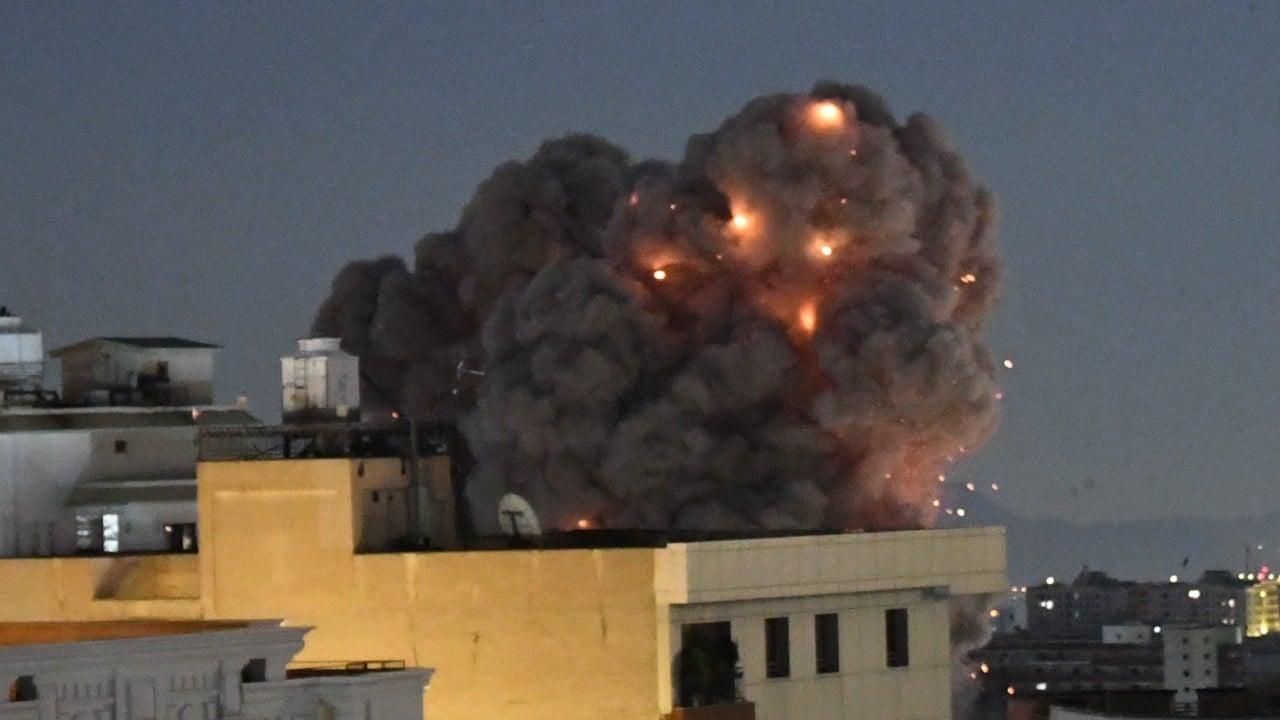
The recent headlines regarding the closure of strategic straits and the subsequent spike in fuel prices have triggered the usual chorus of diplomatic hand-wringing. International bodies beg for "stability." Analysts cry for "cooperation." They are all operating on a 1990s playbook that assumes the world is a giant, frictionless supermarket where the shelves are always stocked.
It isn't. The supermarket is on fire, and the manager just locked the doors.
The Myth of the Global Market Buffer
Most energy analysts suffer from a terminal case of "spreadsheet blindness." They look at global supply vs. demand and assume that as long as the math balances, the lights stay on. This ignores the physical reality of the Strait of Hormuz or the Bab el-Mandeb.
When those arteries clog, the global price doesn't just "adjust." It panics. The lazy consensus suggests that the Strategic Petroleum Reserve (SPR) or OPEC+ "spare capacity" will save us. They won't. Spare capacity is a theoretical number on a Riyadh ledger; it doesn't account for the three weeks it takes a tanker to navigate around the Cape of Good Hope because a narrow passage is suddenly a no-go zone.
Telling nations to "go get their own oil" is framed as isolationist bullying. In reality, it’s the only honest advice left. We are moving from an era of Interdependence to an era of Resource Fortification.
Stop Asking if Prices Will Drop and Start Asking Who Controls the Valve
People keep asking, "When will gas prices go back to normal?" This is the wrong question. "Normal" was a historical fluke powered by a unique period of American hegemony and relative Middle Eastern stability. That "normal" is in the rearview mirror.
The real question is: Who owns the molecule from the wellhead to the nozzle?
If you are a European nation relying on a complex web of pipelines and sea lanes you cannot defend, you don't have "energy security." You have a temporary subscription to civilization that can be canceled at any moment by a drone strike or a naval blockade.
I have watched policy rooms descend into chaos when they realize their "green transition" is built on a foundation of Chinese-processed minerals and Russian-exported gas. You cannot pivot to a new energy source if you don't own the current one. It’s like trying to change the tires on a car while it’s doing 80 mph on a bridge that’s currently being demolished.
The Brutal Physics of Energy Density
The reason "getting your own oil" is so difficult for most nations isn't just lack of will; it’s a lack of geological luck. But even for those with resources, the "Not In My Backyard" (NIMBY) movement has effectively neutered domestic production in the name of virtue signaling.
Let’s talk about the energy density of crude oil. A single barrel contains the energy equivalent of roughly 25,000 hours of human labor. There is no "quick fix" battery or wind farm that replaces the sheer, portable power of hydrocarbons in the short term. When a strait closes and 20% of the world’s daily oil consumption is trapped behind a line of warships, your solar panels don't keep the trucking fleets moving.
The counter-intuitive truth? The fastest way to a green future is a massive, aggressive expansion of domestic fossil fuel production. You need the cheap, reliable energy of today to build the expensive, experimental infrastructure of tomorrow. If you bankrupt your citizens with $7-a-gallon gas, they won't vote for your carbon tax. They will vote for the guy who promises to drill in the town square.
The Illusion of the "Clean" Supply Chain
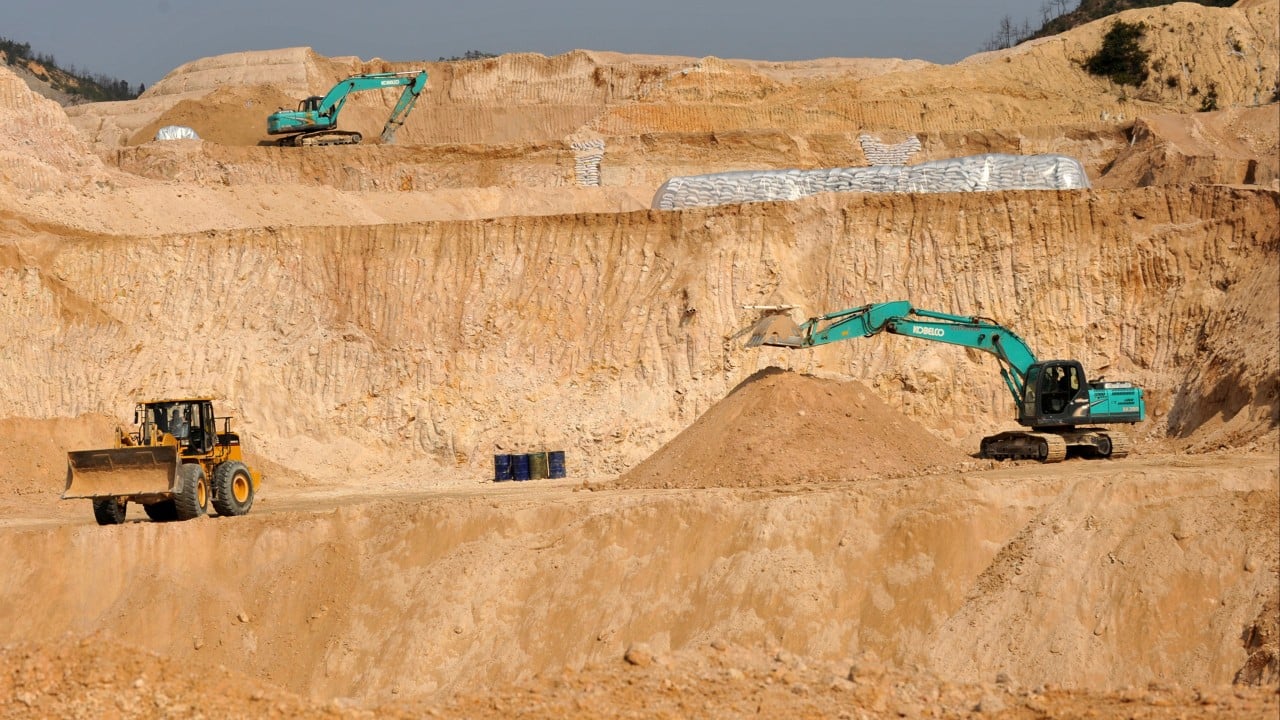
The competitor's narrative often pits "Dirty Oil" against "Clean Tech." This is a false dichotomy. Every "clean" wind turbine requires tons of steel (coal), lubricants (oil), and composite blades (petrochemicals). By offshoring your oil production, you aren't saving the planet; you are just outsourcing the emissions and the political risk to someone who likely hates you.
If you don't "go get your own," you are effectively subsidizing the militaries of your rivals. Every time a nation imports a barrel of oil because it’s "too messy" to drill at home, it hands a piece of its sovereignty to the seller.
The High Cost of the "Moral" High Ground
There is a massive downside to this contrarian approach: it is ugly.
Drilling is loud. Refineries are eyesores. Pipelines are controversial. But the alternative is worse. The alternative is a total loss of agency.
I’ve seen energy companies spend $500 million on "carbon capture" PR campaigns while their actual production infrastructure rots. It’s a shell game. True energy authority comes from the drill bit. It comes from having a domestic supply chain that can withstand a global maritime shutdown.
Consider the $100 trillion required for a global energy overhaul. Where does that money come from? It comes from the surplus generated by efficient, cheap energy. If you are hemorrhaging wealth to pay for imported oil during a supply shock, you are burning your "transition" capital just to keep the heaters on.
The Geopolitical Chessboard is Being Folded
When a leader says "get your own oil," they are signaling the end of the US-led security guarantee for global trade. For seventy years, the US Navy kept the lanes open so everyone could trade freely. That deal is expiring.
In this new world:
- Geography is Destiny: If you have oil and can’t defend it, it isn't yours.
- Refining is Power: Crude is useless if you can't crack it. Most "oil-rich" nations are actually "gas-poor" because they lack domestic refining capacity.
- The Middleman is Dead: Direct, bilateral energy deals are replacing the open market.
The "consensus" view that we can simply wait out these price spikes is a delusion. We aren't in a spike; we are in a structural realignment.
The Actionable Pivot
If you are a nation—or even a large-scale industrial player—your strategy shouldn't be "how do we buy cheaper oil?" It should be "how do we shorten the distance between the hole in the ground and our machinery?"
- Ignore the "Peak Oil" myths: We aren't running out of oil; we are running out of accessible, politically stable oil.
- Invest in Brownfields: Stop chasing the "miracle" fuel of 2050 and optimize the assets of 2026.
- Internalize the Externality: The cost of "getting your own oil" includes the political heat. Pay it. It’s cheaper than a total economic collapse during the next strait closure.
The world is screaming for someone to "fix" the oil prices. But the prices aren't broken. They are accurately reflecting the chaos of a world where nobody wants to get their hands dirty, but everyone wants to keep the lights on.
The only way out is down. Into the ground. In your own backyard. Anything else is just waiting for someone else to turn off your life support.
Stop looking at the ticker. Start looking at the map.