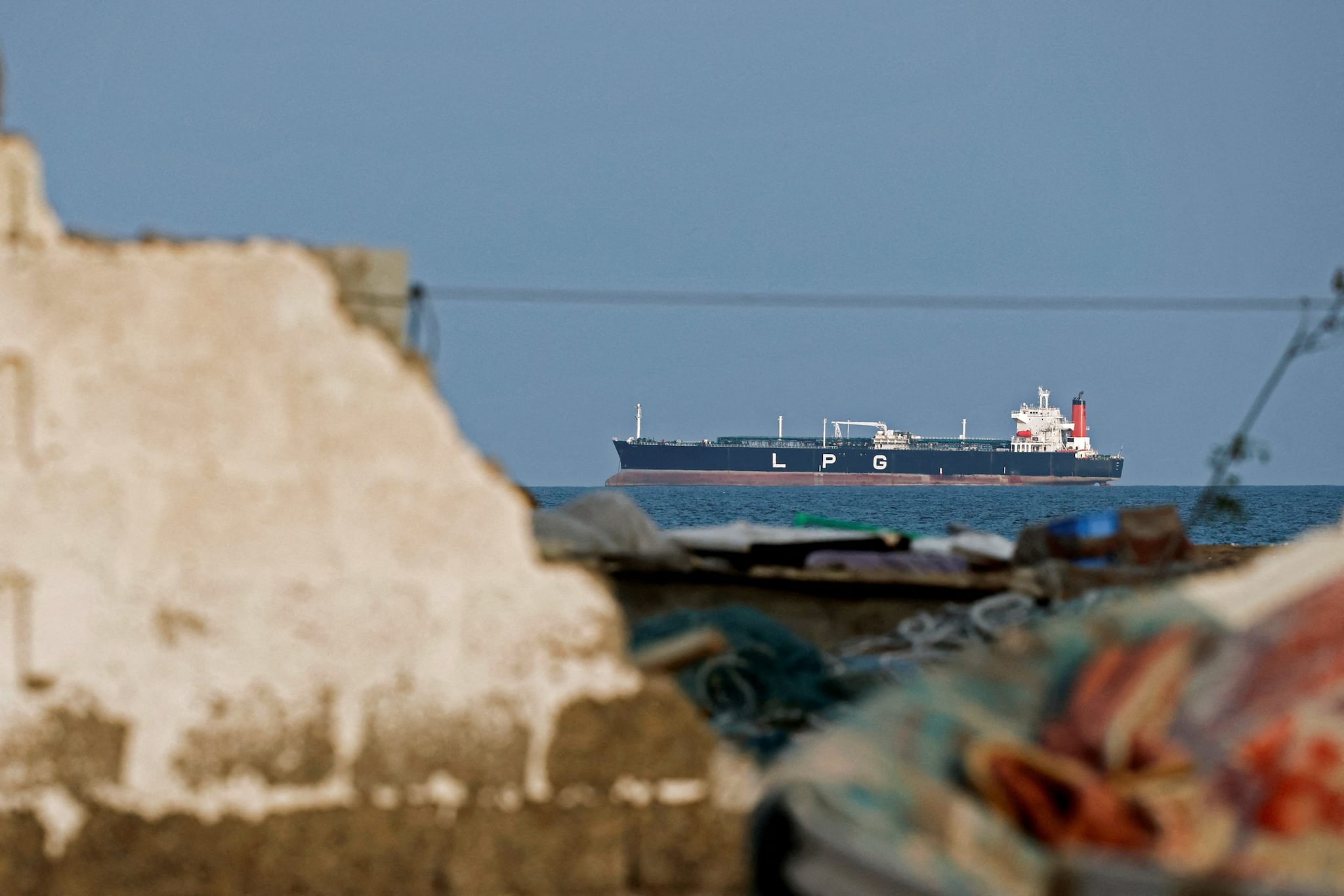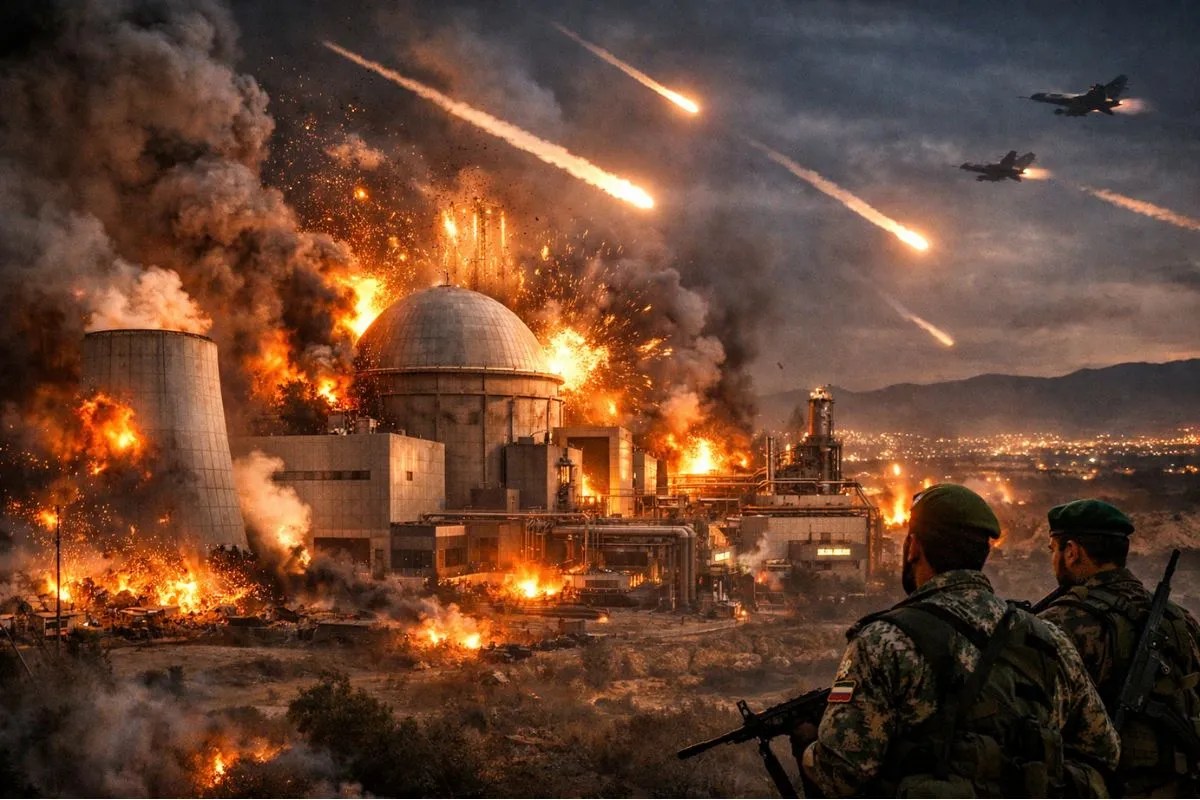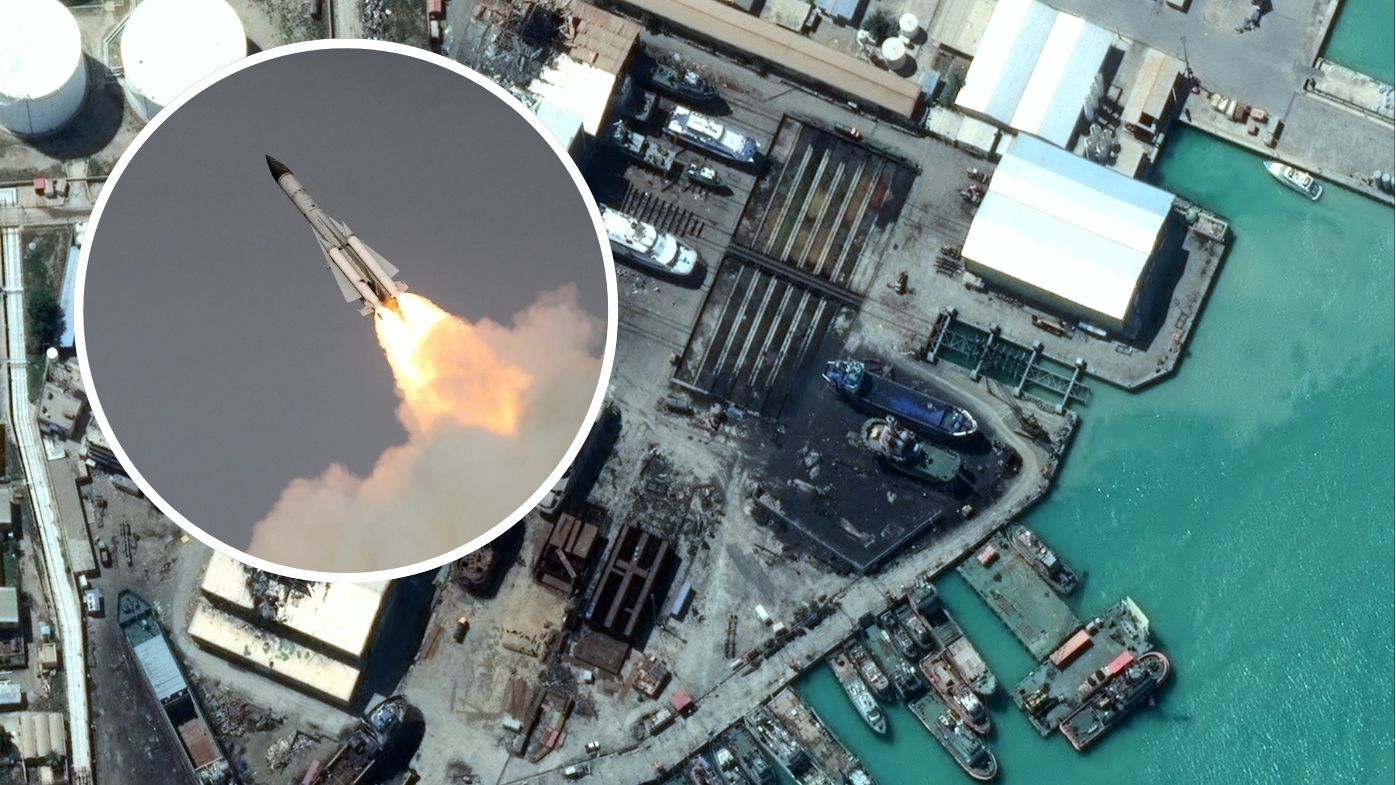
The air in Bushehr does not just sit; it clings. It carries the heavy, saline scent of the Persian Gulf, a humidity so thick it feels like a physical weight against the skin. For the families living in the shadow of the dome, the atmosphere carries something else too. An invisible question. A low-frequency hum of anxiety that never quite resolves into a scream, but never settles into silence either.
When the news cycle breaks with headlines of "technical failures" or "unspecified incidents" at the nuclear plant, the world looks at satellite imagery and geopolitical maps. They see a strategic asset. They see a bargaining chip in a decade-long game of nuclear poker. But if you stand on the coastal roads where the date palms lean away from the salt spray, you see something else. You see the faces of people who know that if the wind shifts, their history ends.
The Anatomy of a Shudder
A nuclear power plant is a miracle of suppressed violence. Inside the reactor core, atoms are being ripped apart, releasing energy that would, under any other circumstance, be a flash of blinding destruction. We have learned to catch that heat, to turn it into steam, and to spin turbines that light up the streets of Shiraz and Tehran. It is a delicate balance. It requires a constant, rhythmic cooling—a circulatory system of water that must never stop pumping.
When reports surfaced of a "sudden shutdown" at Bushehr, the technical explanation was a dry recitation of electrical malfunctions and generator issues. To a grid engineer, it is a problem of load balancing. To a father sitting in a small apartment five miles away, it is a heartbeat skipping.
Imagine the cooling pumps as the lungs of the facility. If they fail, the heat does not simply dissipate. It builds. It searches for a way out. In the moments following an emergency trip, the silence in the control room is not peaceful; it is heavy with the weight of every sensor, every gauge, and every backup generator that must now perform perfectly. There is no room for "almost."
The Shadow of 1986
We live in a post-Chernobyl world, a reality where we understand that a mistake in one province can poison the milk in a country a thousand miles away. This is the invisible stake. The Bushehr plant is a unique architectural hybrid—a German-designed shell finished with Russian technology. It is a Frankenstein’s monster of engineering, born from decades of sanctions, shifting alliances, and political isolation.
The international community watches these "technical hitches" with a cold, analytical fear. They worry about regional stability. They worry about the price of crude oil. But the local reality is more visceral. It is the memory of the 1980s, of the "War of the Cities," of the feeling that the sky can suddenly become an enemy.
The fear isn't just about a blast. A modern reactor isn't an atomic bomb; it won't vanish in a mushroom cloud. The real ghost is the "silent tea." That is the metaphor used by those who study radiation leaks—the idea that the environment becomes saturated with something you cannot see, smell, or taste, but which fundamentally rewrites the DNA of the soil.
The Mechanics of Uncertainty
Why does Bushehr keep flickering? The answers are often buried under layers of state secrecy and "security concerns." We are told it is maintenance. We are told it is a scheduled pause. Yet, the timing often aligns with seismic activity or heightened regional tensions.
The earth beneath Iran is restless. The country sits on a complex network of fault lines that have, throughout history, leveled entire cities in seconds. Placing a nuclear facility in a high-seismic zone is like building a cathedral of glass on a trampoline. Engineers insist the structure can withstand a massive quake. They point to the reinforced concrete, the shock absorbers, and the depth of the foundations.
But trust is a fragile commodity in a region where information is filtered through the lens of survival. When the ground trembles, the first thought isn't about the furniture. It’s about the dome. It’s about whether the "miracle of suppressed violence" is still contained, or if the glass has finally started to crack.
The Cost of Cold Facts
When we read that a plant has been "disconnected from the grid," we think of a light switch. We think of a temporary inconvenience. We don't think about the frantic coordination required to keep the spent fuel pools cool. We don't think about the technicians who have to stay at their posts while their own families are being told to stay indoors.
There is a specific kind of bravery found in the basement of a failing power plant. It is a quiet, mechanical bravery. It involves turning valves that are too hot to touch and staring at monitors that provide data that no one wants to see. These individuals are the human buffers between a technical failure and a humanitarian catastrophe.
The narrative of nuclear energy is always framed in the future tense—what it will provide, what it might cost, what it could become. But for the people on the Gulf, the narrative is firmly in the present. It is the sound of the waves. It is the sight of the steam rising from the cooling towers against the sunset.
Power.
It is a word we use for electricity, and a word we use for politics. In Bushehr, those two meanings are fused together. The plant provides the power to run refrigerators and hospitals, but it also exerts a power over the psyche of the population. It is a permanent guest that never sleeps and cannot be asked to leave.
The Invisible Border
We often talk about borders as lines on a map, guarded by soldiers and barbed wire. But radiation recognizes no such boundaries. A failure at Bushehr isn't an "Iranian problem." The Gulf is a narrow basin. The desalination plants of Kuwait, the Emirates, and Qatar provide the very water their citizens drink. The sea is their lifeblood.
If the "technical failure" ever graduates into something more permanent, the geography of the Middle East changes forever. Not because of a war, but because of a plume. The stakes are not just national pride or energy independence; they are the fundamental habitability of the region.
We watch the headlines because we have to. We parse the official statements for the truths they hide between the lines. We look for the "all clear" and hope it isn't a lie of convenience.
Down on the shore, the fishermen still cast their nets. They look at the massive concrete structure and then they look at the water. They know that the sea gives, and the sea takes away. They also know that some things, once given to the wind, can never be taken back.
The sun sets over the Gulf, turning the water into a sheet of hammered gold. The lights in the houses flicker on, powered by the very heart of the mystery. For tonight, the heartbeat is steady. The lungs are breathing. The silence remains.
But the hum is still there, vibrating in the salt air, waiting for the next shudder.