Don't let the friendly name fool you. Storm Dave is hitting the UK this Easter weekend, and it’s bringing a chaotic mix of 90mph gusts and blizzard conditions that could derail your bank holiday plans. While most of us were hoping for a quiet break with family, the Met Office has officially named this deepening low-pressure system, and it’s targeting the north with some serious aggression.
If you’re planning to travel between Saturday afternoon and Sunday morning, you need to hear this. This isn't just a bit of a breeze. We're looking at a rapidly deepening Atlantic storm fueled by a high-speed jet stream. It’s the kind of weather that shuts down bridges, cancels ferries, and makes high-sided vehicles on the A9 look like toys.
Where the worst hits are expected
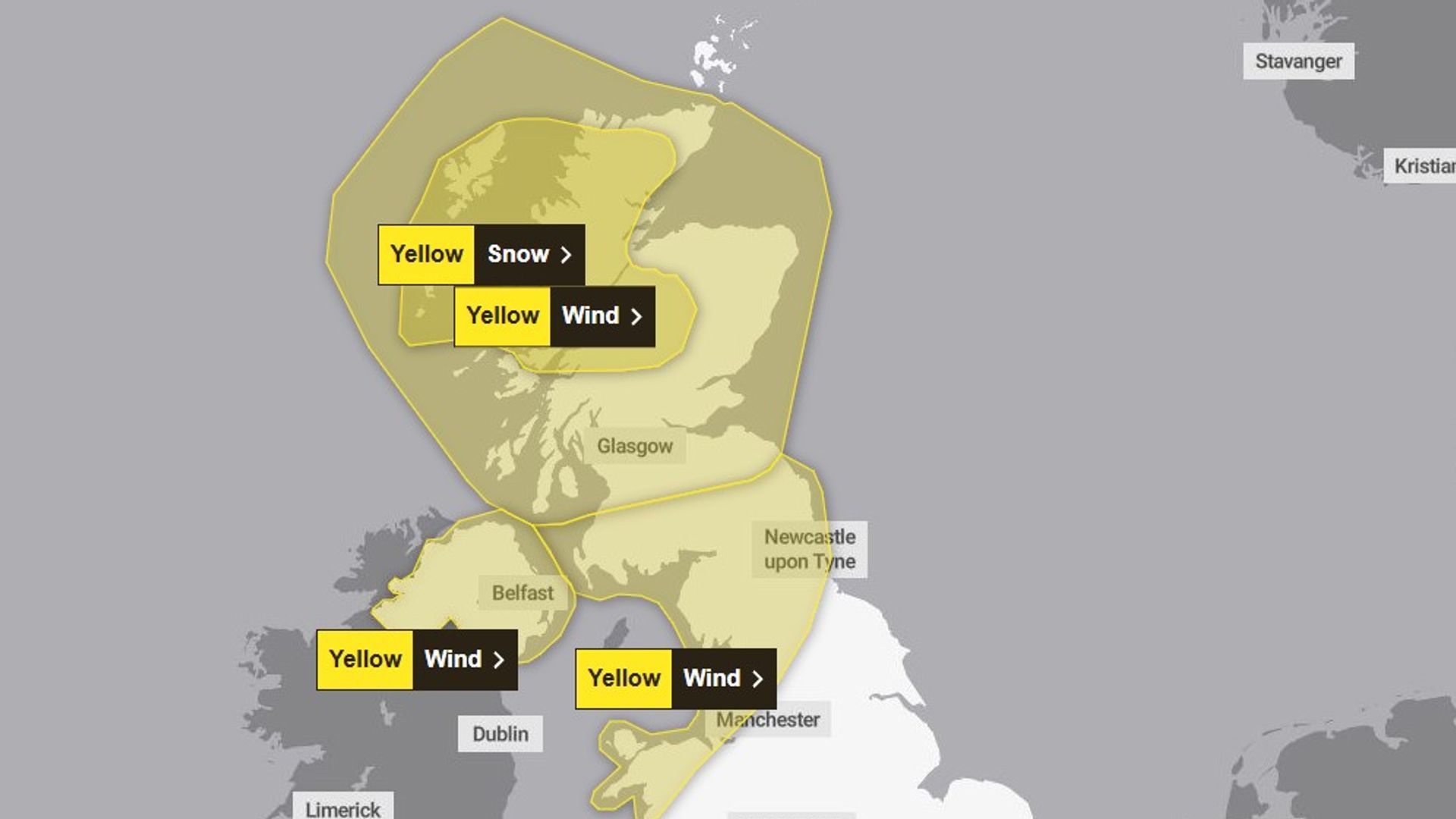
The storm isn't going to treat everyone equally. If you’re in the south of England or the Midlands, you’ll likely see some rain and a bit of a blow, but you aren’t in the firing line. The real trouble is reserved for Scotland, Northern Ireland, northern England, and parts of North Wales.
Specifically, the Met Office has highlighted that western and northwestern Scotland are the "ground zero" for Dave’s arrival. We're talking about gusts that could peak at 90mph in exposed coastal areas. Even further inland across the north, 50-70mph winds are going to be common. When winds hit those speeds, things start flying—trampolines, garden furniture, and loose roof tiles become projectiles. Honestly, if it’s not bolted down by Saturday morning, consider it gone.
The blizzard factor in Scotland
What makes Storm Dave particularly nasty is the cold air it's dragging in. In northwest Scotland, a yellow snow warning is already active from 3pm Saturday until early Sunday morning. Forecasters are expecting up to 20cm of snow on higher ground.
Combine 10-20cm of snow with 80mph winds and what do you get? Absolute whiteout conditions. Blizzards aren't just for Christmas movies; they’re a genuine threat here. If you're driving through the Highlands or any high-elevation routes, visibility will likely drop to near zero. It’s not just about the snow on the road; it’s about not being able to see the road at all.
Why this storm is so intense
Meteorologists are pointing at the jet stream. It’s acting like a conveyor belt, powered by a massive temperature contrast between freezing air over North America and warmer air further south. This "temperature gradient" is basically rocket fuel for low-pressure systems. As Dave crosses the Atlantic, it's expected to "rapidly deepen"—a process sometimes called explosive cyclogenesis or a "weather bomb."
Travel disruption you can actually expect
Let’s be real about what this means for your Easter Sunday. If you have a ferry booked in the Hebrides or across the Irish Sea, check the status now. With 90mph gusts, those services are almost certainly going to face cancellations.
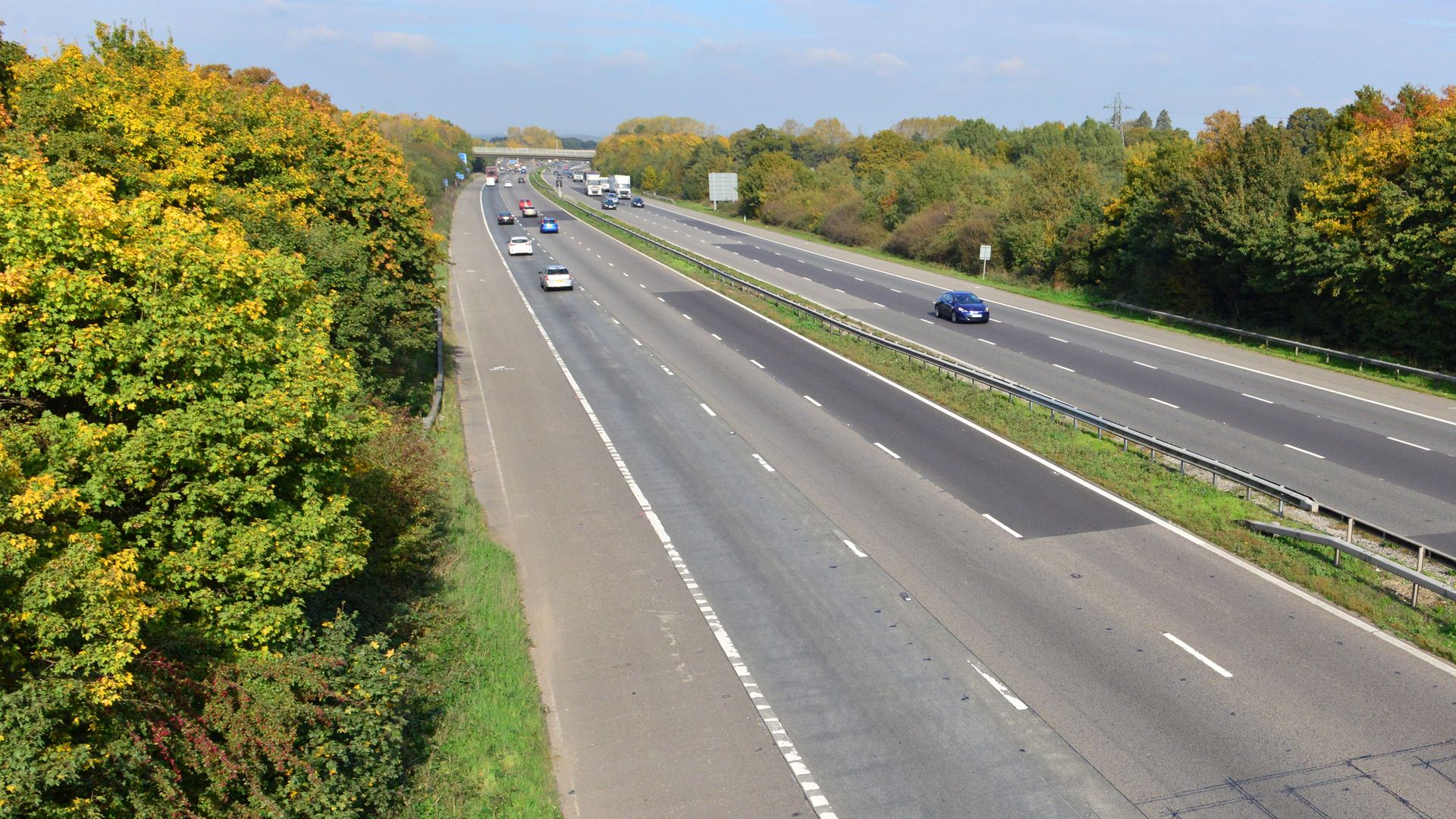
On the roads, the RAC is already warning millions of holidaymakers to be cautious. High-sided vehicles are the biggest risk. A sudden gust on an exposed bridge or a high-speed motorway can push a van or a caravan across lanes in a split second. If you're behind the wheel, keep a firm grip and slow down. It sounds like basic advice, but it’s what keeps you out of a ditch.
- Check your rail operator: Lines in the north and Scotland often see speed restrictions during high winds to account for fallen trees.
- Flight delays: Northern airports like Glasgow, Edinburgh, and Belfast might see ground handling delays or diversions if those 70-80mph gusts hit the runways.
- Power outages: When you mix high winds with heavy snow, power lines go down. Stock up on batteries and make sure your phone is charged before Saturday evening.
Preparing your home before Saturday afternoon
You've got until Saturday afternoon before the worst of the wind arrives. Don't wait until the bins are rolling down the street to act. Walk around your property. Check the fence panels—are they wobbly? Is the garden umbrella still out?
Met Office deputy chief forecaster Tom Crabtree has been clear: "Prepare your property for the strong winds." This means clearing gutters so they don't overflow during the heavy rain spells and making sure your car isn't parked under any old, overhanging trees.
It’s easy to get complacent because we’ve had a few named storms lately, but the timing of this one makes it a unique headache. It’s a bank holiday. Emergency services and breakdown crews are already stretched. Don't be the person they have to rescue because you decided to drive a motorhome over a mountain pass in a blizzard.
The weather should start to settle by Easter Monday as Dave moves off into the North Sea, but Saturday night and Sunday morning are going to be a rough ride. Stay indoors, keep the curtains shut, and maybe wait until Monday for that long coastal walk.
Immediate actions to take
- Secure all outdoor furniture and trampolines by Saturday noon.
- Download your travel provider's app for real-time disruption alerts.
- Check on elderly neighbors who might lose power in rural northern areas.
- If you’re in a snow-warned area, ensure you have a "winter kit" in your car—blankets, a shovel, and snacks—just in case.