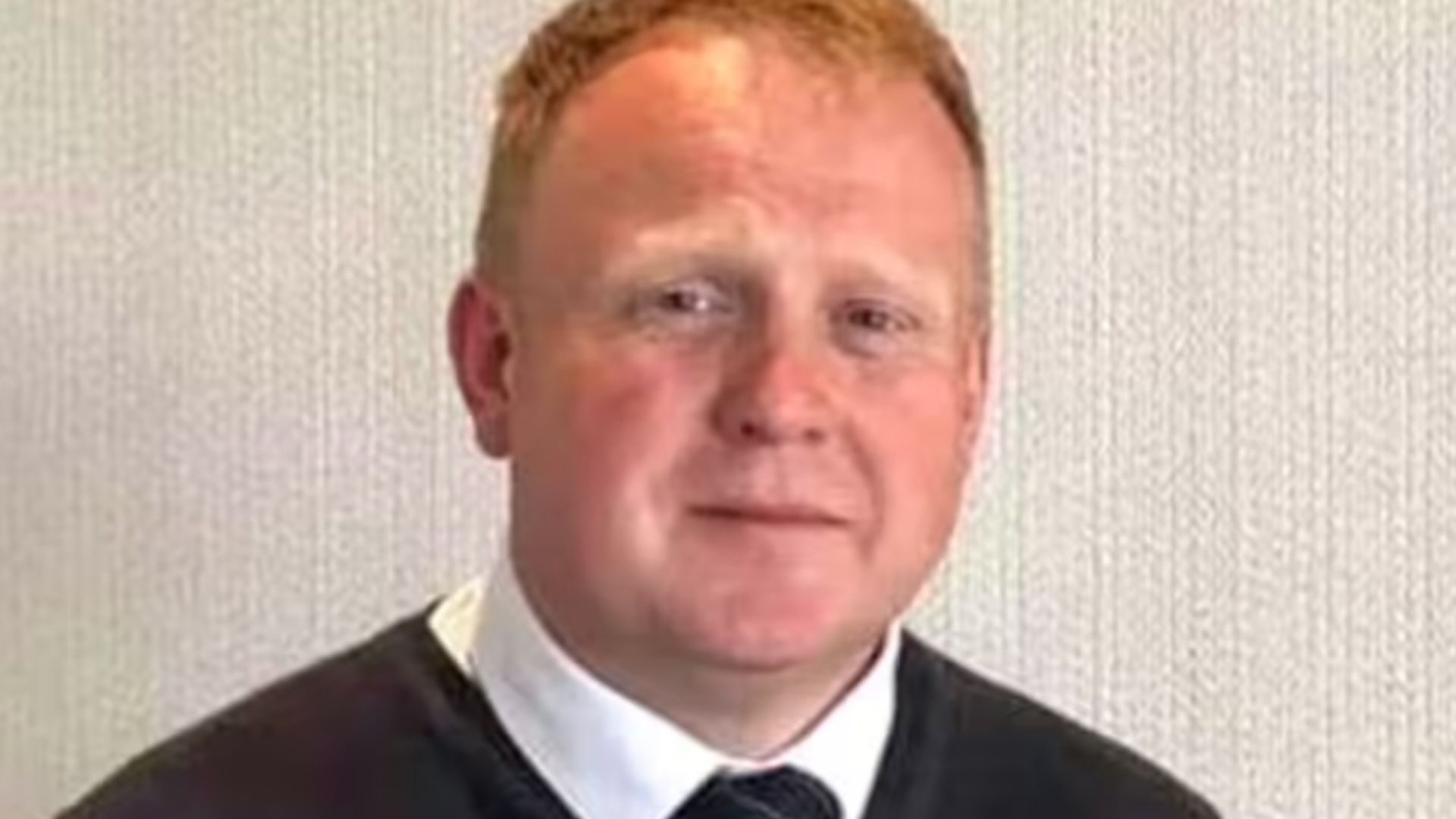
The betrayal of the dead is a specific kind of horror because the victims cannot testify. In a courtroom in northern England, the grim mechanics of a massive funeral fraud have finally come to light, revealing that a local funeral director, Robert Lushington, systematically blocked the burials of 30 individuals. Instead of the dignified finality promised to grieving families, bodies were held in unauthorized storage while the funds meant for their interment vanished into the ledger of a failing business. This was not a singular lapse in judgment or a momentary breakdown in logistics. It was a calculated, prolonged exploitation of the one moment in life when human beings are most vulnerable and least likely to ask for a receipt at the graveside.
The families involved are now calling for the maximum possible prison sentence, but their outrage masks a deeper, systemic rot. This case exposes a terrifying reality about the modern death care industry: in many jurisdictions, it is easier to open a funeral home than it is to open a sandwich shop.
The Economics of a Morbid Ponzi Scheme
Funeral directors operate on a foundation of absolute trust. When that trust meets financial desperation, the result is often a "Death Ponzi." In the case of these 30 prevented burials, the motive was as old as commerce itself. Cash flow.
Funeral homes often face high overhead costs—refrigeration, embalming chemicals, specialized vehicles, and the maintenance of a chapel. When a business begins to slide toward insolvency, the director may take "pre-need" money or immediate burial fees and use them to pay off existing debts rather than securing the plot or the cremation slot.
By delaying a burial, the director keeps the cash on hand. They gamble on a future windfall that never arrives. Meanwhile, the body remains in a "holding pattern," often in conditions that defy legal and ethical standards. This isn't just a business failure; it is a desecration of the social contract.
The Mechanics of the Cover Up
How does a professional hide 30 unburied bodies without the community noticing? It requires a sophisticated web of lies and a mastery of bureaucratic stalling.
- Fabricated Scheduling Conflicts: Claiming the cemetery is fully booked or that the ground is too saturated for a safe dig.
- Paperwork Loops: Blaming the local council or the coroner’s office for "missing" certificates that the director never actually filed.
- Selective Communication: Ghosting families for weeks, only to reappear with a sympathetic, albeit fake, story about a staff shortage or a broken hearse.
A Regulatory Vacuum
The most disturbing aspect of this investigation is not the actions of one rogue director, but the ease with which he operated. The funeral industry is frequently self-regulated, a term that in practice often means "unregulated until a catastrophe occurs."
In the United Kingdom and parts of the United States, there is no mandatory federal or national inspection regime that proactively checks the "back of house" in funeral parlors. Most inspections are triggered by complaints. But who complains when they are in the throes of mourning? Families are encouraged to find "closure," a psychological state that discourages them from hovering over the administrative details of the burial process.
We require hair stylists to hold licenses and undergo health inspections to ensure they aren't spreading scalp infections. Yet, we allow individuals to take possession of human remains with little more than a business license and a signed lease.
The Myth of the Family Firm
For decades, the funeral industry has leaned on the "kindly neighbor" image. Small, family-run firms are perceived as more ethical than the large corporations that have been buying up independent parlors. This case shatters that illusion.
The pressure on independent directors is immense. They are competing against massive conglomerates that have optimized the supply chain of death. When an independent firm starts to drown, the director often feels they have no way out. They can't sell the business because the books are a mess, and they can't close because they have outstanding obligations to bodies they haven't buried yet. They are trapped in a cycle of their own making, where the only way to stay afloat is to lie to the next grieving daughter who walks through the door.
The True Cost to the Living
The psychological impact on the families is immeasurable. To learn, months or years later, that a parent or spouse was never actually laid to rest creates a secondary trauma that often exceeds the original grief.
In the Lushington case, some families had already held "memorials" at empty gravesites. They stood over patches of grass, believing their loved ones were six feet below, while in reality, those loved ones were still in a cold-storage unit miles away. This creates a rift in the reality of the mourner. It invalidates their process of saying goodbye.
The legal system often treats these crimes as financial fraud, but that is a gross miscategorization. Stealing $5,000 from a bank is a property crime. Stealing $5,000 intended for a burial—and then withholding the body—is a crime against human dignity.
Demanding Radical Transparency
If we are to prevent the next Robert Lushington, the industry requires a fundamental shift in how it operates. The "trust me" model is dead.
- Mandatory Third-Party Escrow: All funds for burials and cremations should be held in an independent escrow account, released only upon the presentation of a certified death certificate and a confirmed burial plot receipt from the cemetery.
- Surprise Back-Room Audits: Regulatory bodies must have the power to conduct unannounced inspections of storage facilities. A funeral director should be able to account for every body on the premises within ten minutes of an inspector walking through the door.
- Digital Tracking Systems: Families should be provided with a tracking number, similar to a high-end logistics service, that allows them to see when the body has reached each stage of the process: preparation, transit, and final interment.
The defense in these cases usually points to "mental health struggles" or "overwhelming business pressure." This is an insult to every business owner who manages to stay solvent without resorting to desecration.
When a funeral director stops being a steward of the dead and starts being a hoarder of remains, they have forfeited their place in a civilized society. The anger of the families is not just justified; it is a necessary alarm bell for a society that has become too comfortable with looking away from the end of life.
The courtroom proceedings might provide a sentence, but they won't provide the peace that was stolen. That peace only comes from the knowledge that the person you loved was treated with the respect they were promised. In this case, that respect was traded for a few more months of keeping a failing business on life support.
We must stop treating funeral homes like untouchable sanctuaries of tradition and start treating them like the high-stakes, high-risk businesses they actually are. Vigilance is the only thing that ensures the finality of the grave remains sacred.