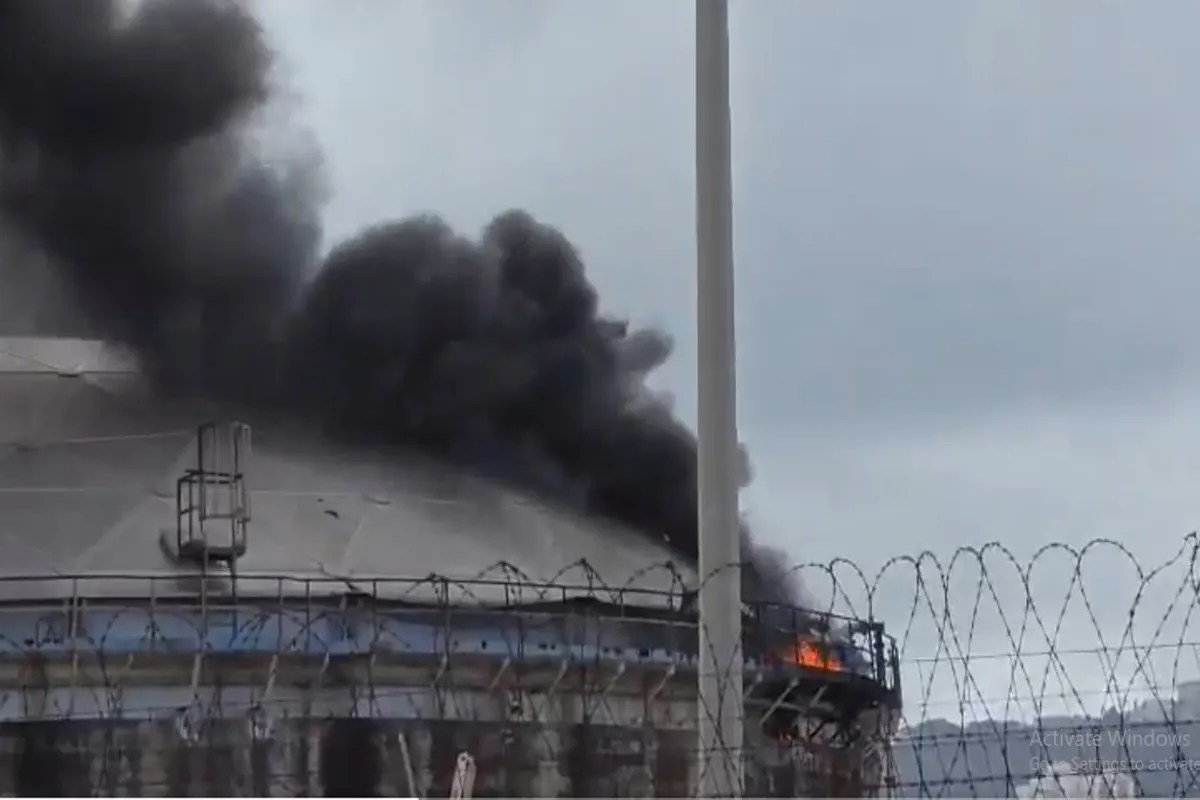
The Anatoly Kolodkin, a Russian-flagged tanker bristling with international sanctions, is currently cutting through the Caribbean toward the Matanzas terminal. On board are roughly 730,000 barrels of Urals crude—the first major delivery of its kind to reach Cuba in over three months. In any other week of the last decade, this would be a flashpoint for a naval standoff. Instead, the White House has signaled a quiet, calculated stand-down.
This isn't a failure of the American embargo, nor is it a sudden humanitarian epiphany from the Trump administration. It is a pragmatic release valve. Washington has realized that a total energy collapse 90 miles from Florida creates a refugee crisis that no border wall can stop. By allowing Moscow to play the "humanitarian" hero with a single boatload of oil, the U.S. avoids an immediate Cuban implosion while maintaining the broader, strangling pressure of its de facto blockade.
The Calculus of a Controlled Collapse
Cuba is currently operating in the dark. The island’s power grid, a crumbling relic of Soviet-era engineering and subsidized Venezuelan grease, is effectively dead. Domestic production covers barely 40% of the nation’s needs. When the U.S. military operation in January removed Nicolás Maduro from power in Caracas, Havana lost its last reliable umbilical cord.
The subsequent "energy blockade" imposed by Washington was designed to be the final blow. By threatening secondary tariffs on any nation—including Mexico—that dared to dock a tanker in Havana, the U.S. successfully cleared the horizon. For 90 days, the island received almost nothing. The result wasn't a popular uprising; it was a humanitarian catastrophe. Hospitals began performing surgeries by candlelight. Water pumps failed. The silence of the streets wasn't peace; it was paralysis.
Allowing the Anatoly Kolodkin to dock provides exactly nine to ten days of diesel. It is a drop of medicine for a terminal patient.
Why Russia Is Picking Up the Tab
Moscow’s involvement is less about Caribbean solidarity and more about asymmetric signaling. For Vladimir Putin, the cost of 700,000 barrels is negligible, especially with global oil prices currently buoyed by the ongoing Israel-Iran conflict. What he gains is a high-visibility "win" against American hegemony in the Western Hemisphere.
The Russian Energy Ministry has categorized the shipment as "humanitarian aid." This label is a deliberate legal shield, designed to make U.S. interference look like a strike against starving civilians rather than a geopolitical maneuver. Russia isn't trying to save the Cuban economy—that would cost billions Moscow doesn't have. They are simply maintaining a foothold.
The Ghost Fleet Strategy
The Anatoly Kolodkin is a veteran of Russia's "shadow fleet," a collection of aging vessels that frequently disable their Automatic Identification Systems (AIS) to move sanctioned cargo. Tracking data showed the ship "going dark" for stretches of its Atlantic crossing, a standard tactic to mask the origin and destination of the crude.
Another vessel, the Sea Horse, was originally bound for Cuba with 200,000 barrels of diesel but was diverted to Venezuela last week. This indicates that even with Washington's temporary "look the other way" policy, the logistics of bypassing the U.S. Coast Guard remain a high-stakes shell game.
- Inventory Zero: Cuba’s fuel storage tanks are effectively empty. Unlike previous years where shipments replenished reserves, this cargo will be piped directly into thermoelectric plants for immediate combustion.
- The Private Sector Pivot: Havana has begun allowing small private businesses (MSMEs) to import their own fuel, a move that would have been branded as counter-revolutionary five years ago. It is a desperate admission that the state can no longer provide the basics.
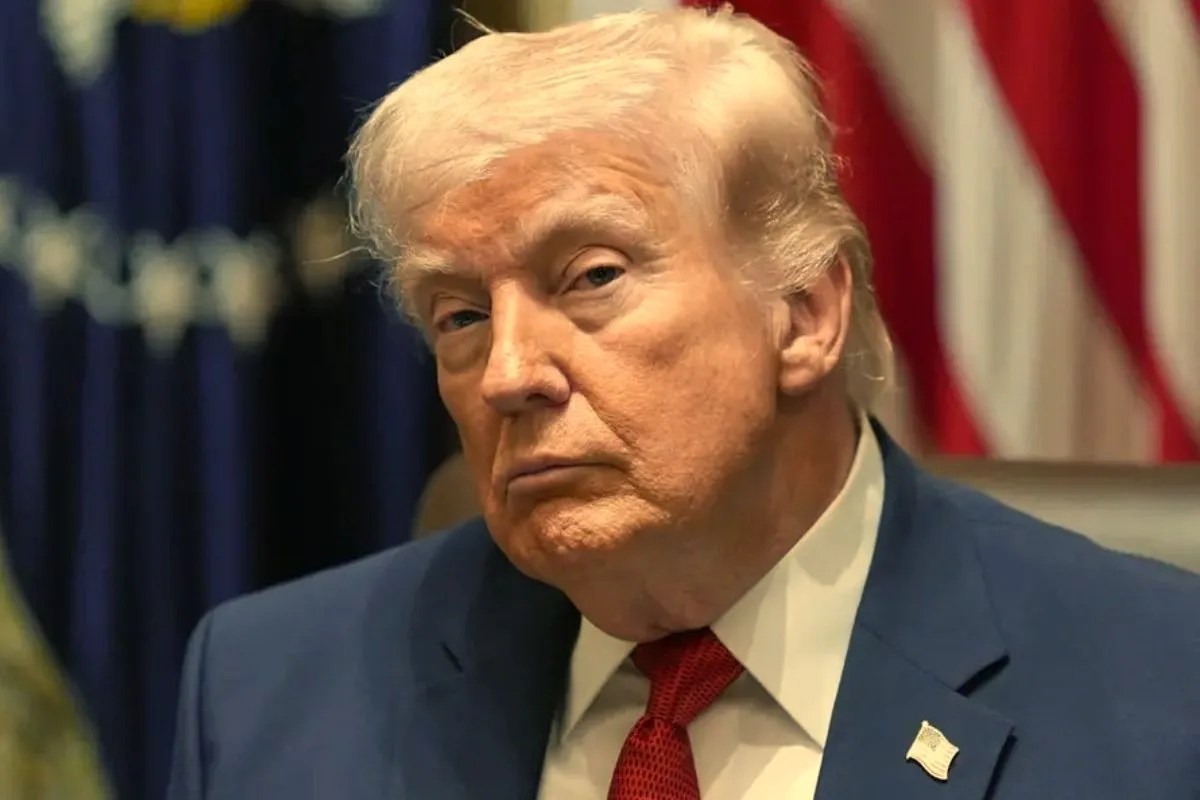
- Strategic Silence: The U.S. Treasury recently issued a license specifically barring Cuba from receiving Russian oil, yet the President told reporters on March 29 that he has "no problem" with a boatload of oil reaching the island. This public contradiction is a classic "good cop, bad cop" routine played by a single administration.
The Humanitarian Pretext vs. Geopolitical Reality
While the U.S. allows this single shipment, it is simultaneously ramping up pressure through the Southern Command. General Francis Donovan recently confirmed that the U.S. is tracking a Russian destroyer and an oil replenishment ship scheduled for a Cuban port call. Washington is drawing a sharp line between a tanker full of crude and a destroyer full of missiles.
The White House is betting that it can micro-manage Cuba’s misery—keeping the lights on just long enough to prevent a mass exodus, but keeping the economy broken enough to force a "friendly" takeover or regime shift. It is a dangerous game of caloric restriction applied to a nation state.
The End of the Venezuelan Era
The arrival of Russian oil marks the definitive end of the Caracas-Havana axis. For two decades, Venezuela was the guarantor of the Cuban Revolution. With Maduro gone and the U.S. controlling the flow of Venezuelan exports, Cuba has been forced back into the arms of a Moscow that demands more than just ideological alignment.
Russia's support is "limited and reversible," as noted by analysts at Chatham House. Moscow has no interest in another multi-billion dollar subsidy program like the one that bankrupted the Soviet Union. They want a gas station in the Caribbean, not a colony.
The Anatoly Kolodkin will offload its cargo at Matanzas, the lights in Havana will flicker on for a few hours a day, and the immediate threat of a "Zero Hour" total blackout will recede into next month. But the structural reality hasn't changed. The island remains a pawn in a larger game where the players in Washington and Moscow are more concerned with the optics of the delivery than the survival of the people receiving it. The oil will burn off in two weeks, leaving the same dark horizon and the same impossible choices.
The blockade remains. The pressure continues. Only the immediate threat of a refugee crisis has been delayed.