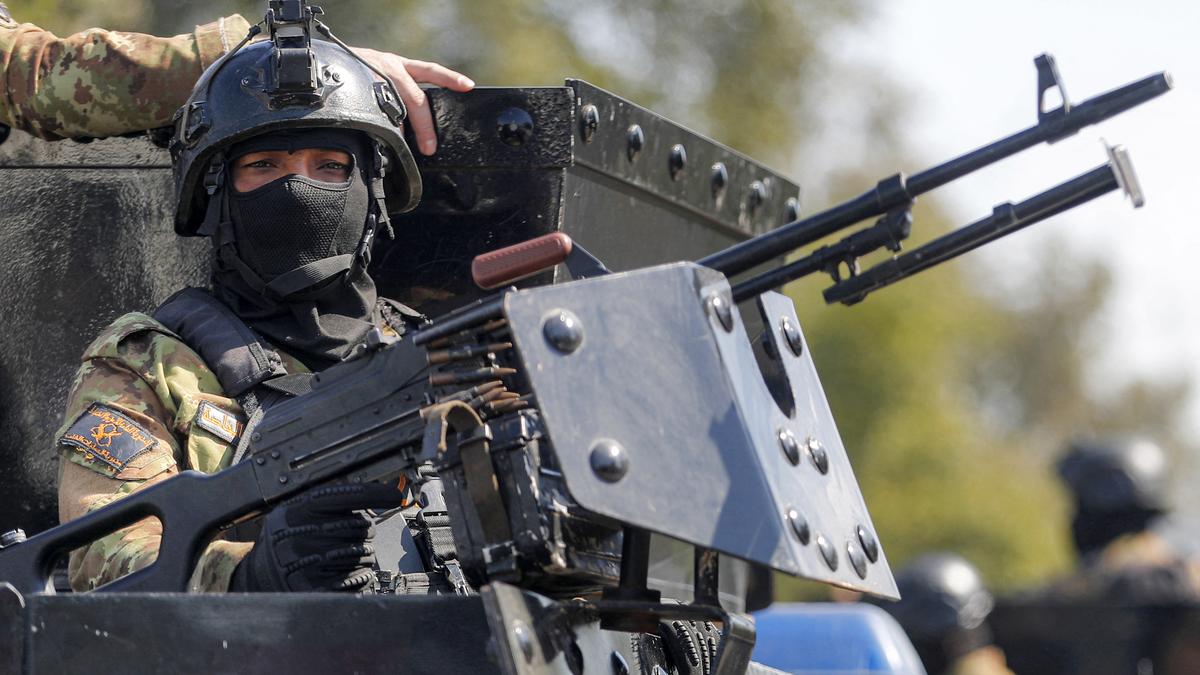
The smoke rising from Koya isn't just a sign of another localized skirmish; it's a signal that the border between Iran and Iraq has effectively dissolved. On Tuesday, March 3, 2026, three drones slammed into the Azadi camp in the Koysinjaq district of northern Iraq. This wasn't a random hit. The target was the Democratic Party of Iranian Kurdistan (PDKI), a group Tehran has spent decades trying to dismantle. One of those drones hit the camp’s hospital directly, wounding a staff member and sending a clear message: no one is off-limits.
If you’re following the chaos in the Middle East right now, you know this attack didn’t happen in a vacuum. It’s part of a massive escalation following the U.S. and Israeli air strikes on Iran that reportedly took out top leadership, including Supreme Leader Ali Khamenei, just days ago. Tehran is bleeding, and when the Iranian regime feels cornered, it lashes out at the easiest targets nearby. Right now, that’s the Iranian Kurdish opposition living in exile in Iraqi Kurdistan.
The Strategy Behind the Koya Strikes
Why Koya? Why now? Honestly, it's about survival for the remnants of the Iranian security apparatus. The PDKI and other groups like Komala and the Kurdistan Freedom Party (PAK) aren't just "exiled groups" anymore. Last week, they did something that terrified Tehran: they formed a unified political coalition. Their goal is simple—overthrow the Islamic Republic and secure Kurdish self-determination.
By hitting Azadi camp, Iran is trying to decapitate this movement before it can capitalize on the current instability inside Iran. They’re worried about a "Rojhelat" (Eastern Kurdistan) uprising. If the Kurds inside Iran see their exiled leaders being picked off in Iraq, Tehran hopes they'll think twice about starting a revolution at home. It’s a classic preemptive strike. They want to turn Iraqi Kurdistan into a buffer zone where they can fight their enemies without the mess of a domestic civil war.
A Pattern of Cross-Border Aggression
This isn't the first time Koya has seen fire. Back in September 2022, during the Mahsa Amini protests, the Islamic Revolutionary Guard Corps (IRGC) rained down missiles and drones on these same camps, killing 20 people. But the 2026 strikes feel different. They're more desperate.
Iraq's Foreign Minister, Fuad Hussein, recently noted that Erbil has been hit by over 70 missiles and drones in this latest wave of regional tension. The Iraqi government is caught in an impossible position. They don't want to be the battlefield for a war between Iran, the U.S., and Israel, but they don't have the air defenses to stop it. When a drone hits a hospital in a refugee camp, it’s a blatant violation of sovereignty that Baghdad simply can’t ignore, even if they can’t physically stop it.
The Groups in the Crosshairs
- PDKI (Democratic Party of Iranian Kurdistan): The oldest player in the game, advocating for secularism and autonomy.
- Komala: A leftist group with a long history of resistance.
- PAK (Kurdistan Freedom Party): Known for their more militant stance and active presence near the frontlines.
These groups have largely stayed away from armed conflict inside Iran recently, focusing instead on political campaigning. But Tehran doesn't care about the distinction. To them, any organized Kurdish presence is a "terrorist" threat backed by Western interests.
What This Means for Regional Stability
You’ve got to look at the bigger picture. The IRGC is under immense pressure. With their internal security failing and their leadership decimated, they're using their "Axis of Resistance" proxies in Iraq to strike back. On the same day as the Koya attack, an air strike hit a base in southern Iraq housing Kataeb Hezbollah, a major Iran-backed militia.
It’s a cycle of retaliation that’s dragging Iraq deeper into the mud. If Iran continues to target residential compounds and hospitals in camps like Azadi, they risk a massive humanitarian crisis that will spill over into Turkey and the rest of Iraq. We're talking about families, women, and children living in these camps, not just "fighters." Targeting a hospital isn't a military necessity; it's a terror tactic designed to break the will of the Kurdish people.
The Real Threat to Tehran
The real fear for the Iranian regime isn't just a few drones or missiles from the West. It's the internal fracture. By calling on Iranian security forces in Kurdish areas to "separate their ranks" from the regime, the new Kurdish coalition is attacking the one thing a dictatorship needs to survive: loyalty.
When you see a police station flattened in Mariwan or residents being told to protect local institutions during a "regime collapse," you realize the stakes. The strikes in Koya are an attempt to silence the voice that's telling Iranian soldiers to go home.
If you’re tracking this, keep your eyes on the border. The movement of "Peshmerga" forces and the frequency of these "kamikaze" drone strikes will tell you exactly how worried Tehran is about losing control of its western provinces.
The next few weeks are critical. Watch for whether the U.S. or the Iraqi central government decides to bolster the air defenses around these camps. If they don't, Azadi camp won't be the last target on the list. You should stay informed by following local Kurdish news outlets like Rudaw or BasNews, which often get the first reports from the ground before international agencies even wake up. Don't just watch the headlines; watch the geography. What happens in Koya today usually echoes in Tehran tomorrow.