The air at Prince Sultan Air Base does not move; it weighs. At four in the morning, the heat is already a physical presence, a thick blanket of dust and jet fuel that settles in the back of your throat. For the men and women stationed in this stretch of the Saudi Arabian desert, the rhythm of life is dictated by the low hum of air conditioners and the distant, rhythmic roar of engines. It is a place defined by its vastness, a beige infinity where the horizon line is a shimmering suggestion rather than a border.
Then the sky breaks.
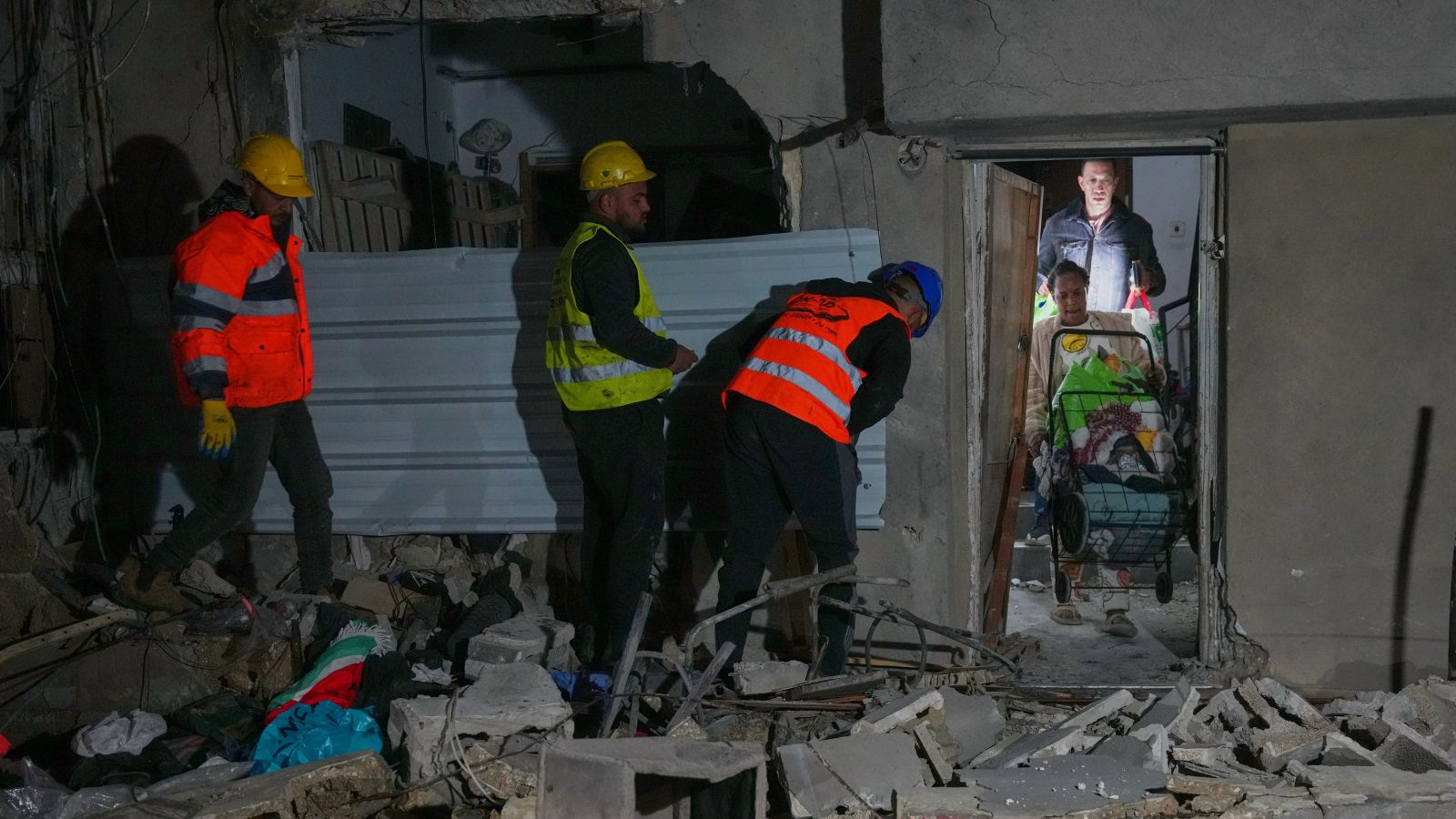
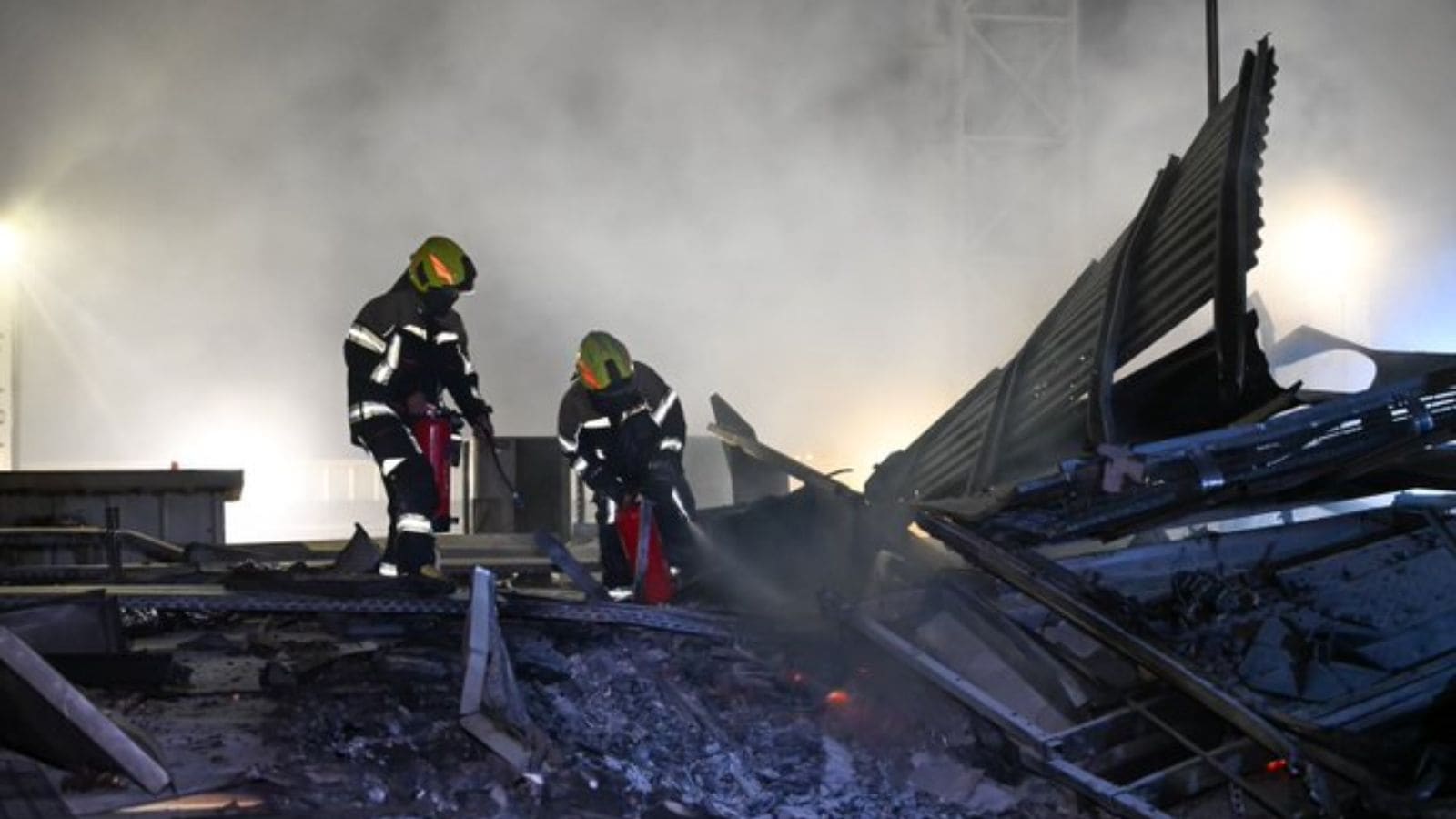
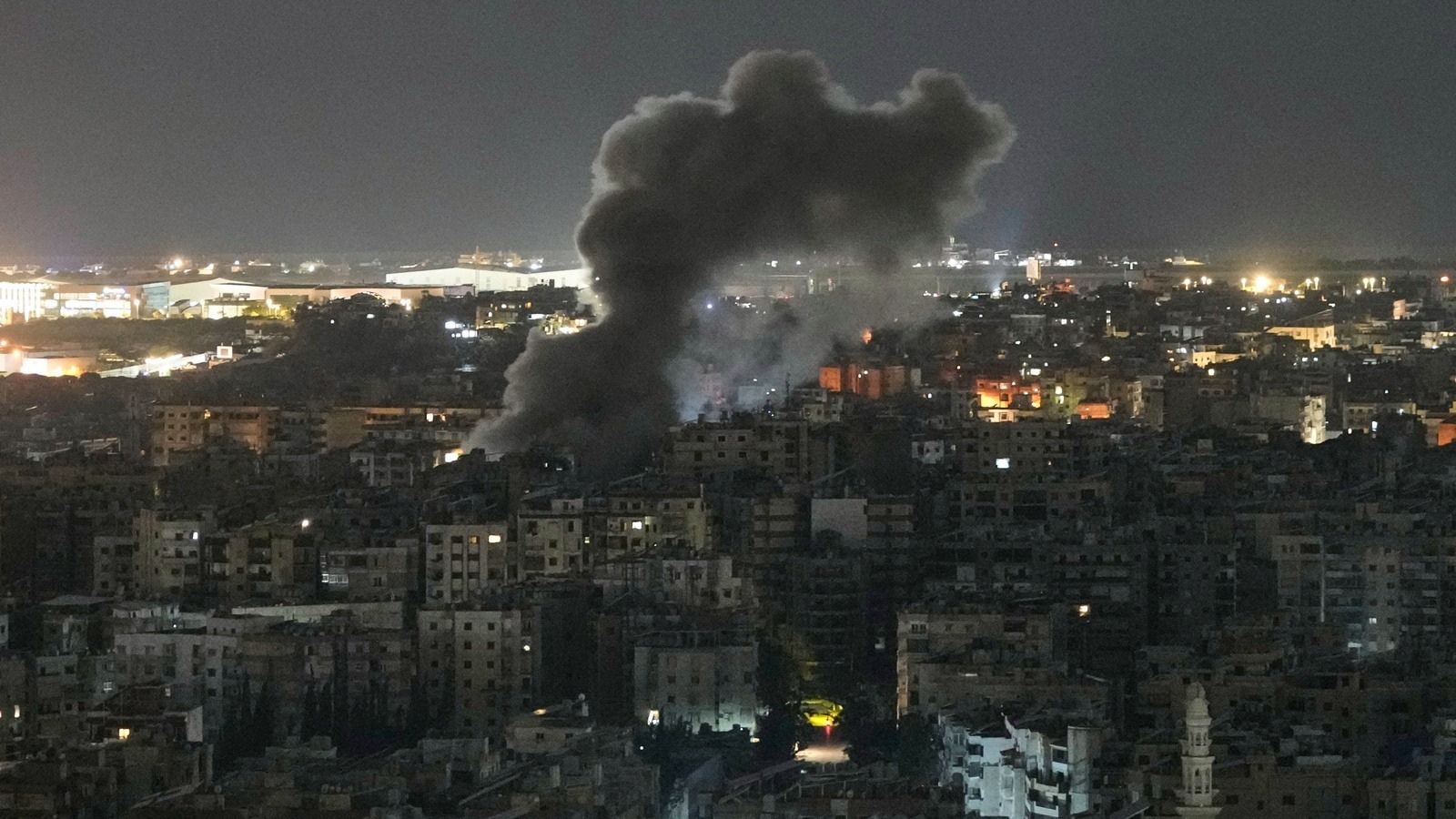
It isn't like the movies. There is no long, whistling descent to give you time to contemplate your life choices. There is only the sudden, violent displacement of reality. A flash that turns the night into a distorted noon. A sound so deep it vibrates in your marrow before it hits your ears. When the projectiles struck the base, they didn’t just hit a coordinate on a map. They hit a ecosystem of human lives.
Twelve soldiers. That is the number currently flickering across news tickers in Dubai and scrolling through the smartphones of anxious families in places like Ohio, Georgia, and Texas. Twelve names not yet released, twelve lockers filled with gear, twelve half-finished letters home. While the geopolitical analysts in glass towers begin their chess game of "escalation" and "deterrence," the reality on the ground is much smaller. It is the smell of scorched metal. It is the frantic, rhythmic shout of a medic over the ringing in their own ears.
The Prince Sultan Air Base, or PSAB to those who live there, sits near Al-Kharj. It is a massive chess piece in the Middle Eastern security architecture, a hub for high-tech surveillance and aerial dominance. But to the soldiers, it is a collection of "clamshell" tents and concrete barriers. When an attack happens, these barriers—meant to deflect the pressure of a blast—become the only world that matters.
Consider the perspective of a hypothetical staff sergeant we will call Miller. Miller isn't thinking about the Strait of Hormuz or the global price of Brent Crude. When the sirens wail, Miller is thinking about the three steps to the nearest bunker. He is thinking about the person to his left. The "injured" referred to in the headlines aren't statistics. They are people who, seconds before, were perhaps complaining about the lukewarm coffee or laughing at a meme. Now, they are navigating the chaotic transition from service member to patient.
Shrapnel is indifferent to rank. It is indifferent to the political tensions between regional powers.
The complexity of this moment lies in its silence. Following the impact, there is a vacuum of information that feels heavier than the explosion itself. In the digital age, we expect instant clarity. We want to know exactly who did it, exactly what was used, and exactly how the world will change by dinner time. But the desert doesn't give up its secrets that quickly. Security protocols clamp down. Communication lines go dark. For the families back home, this is the "white space" of terror—the hours spent staring at a silent phone, wondering if their loved one is among the twelve.
We often talk about these bases as "fortresses." We use words that imply invincibility. Yet, these incidents remind us of the terrifying fragility of the human element within the machine. You can have the most advanced radar systems in the world, the most sophisticated interceptors, and the most rigorous training, but the "invisible stakes" are always carried by the individuals standing watch at 4:00 AM.
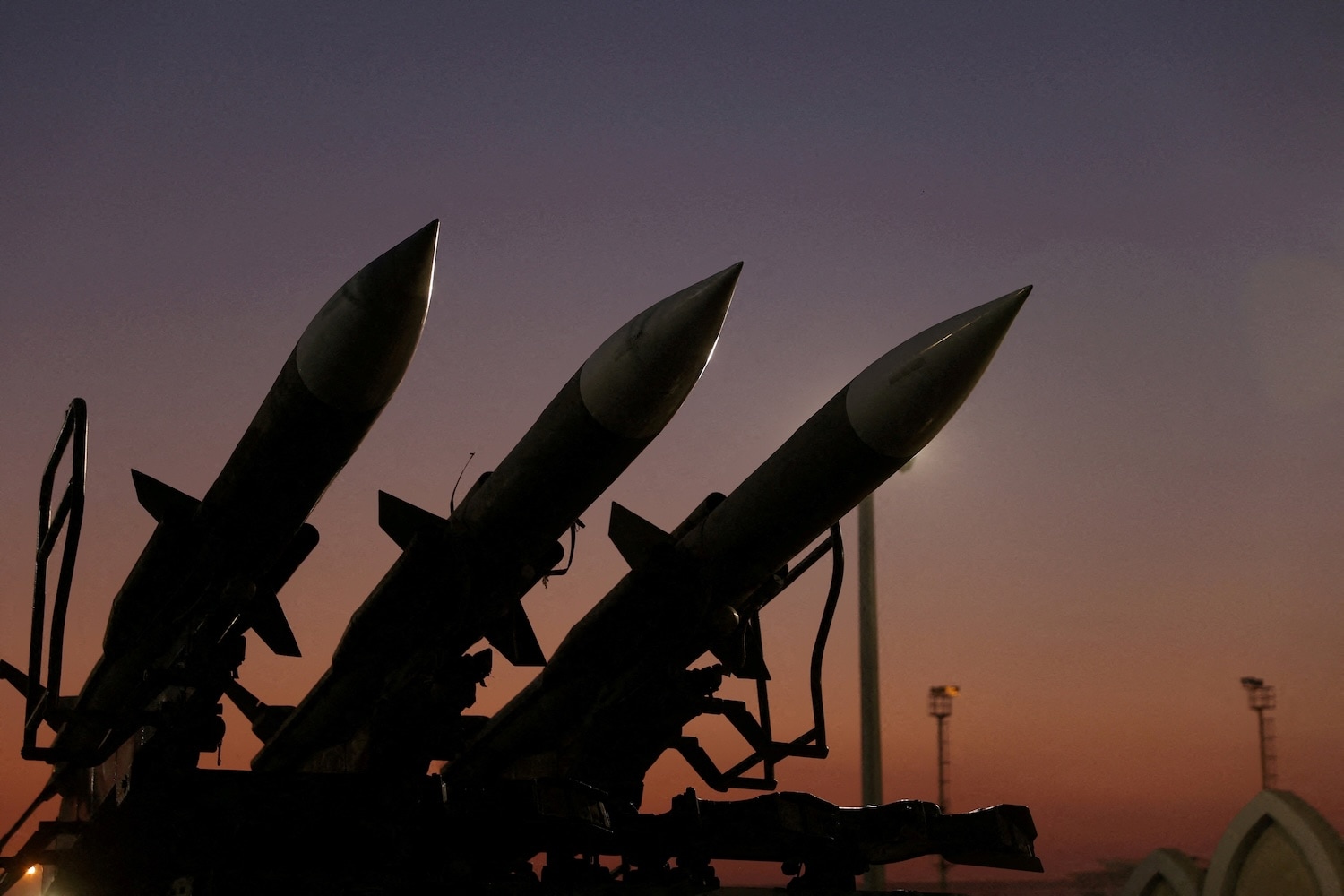
The technical reality is that defending a space as large as Prince Sultan Air Base is a feat of engineering that borders on the miraculous. It involves a "layered" defense. Imagine a series of invisible domes nested inside one another. The outermost layer is satellite intelligence, watching for the heat signatures of a launch. The middle layers are radar arrays, sweeping the sky with pulses of energy to find a needle in a thousand-mile haystack. The final layer is the physical interceptor—a missile designed to hit another missile, a "bullet hitting a bullet."
But no shield is perfect.
The physics of modern conflict have shifted. It is no longer just about massive armies clashing on a field. It is about the "asymmetric strike"—using relatively inexpensive technology to poke a hole in the most expensive defense networks on earth. When those holes are poked, the cost is paid in blood and recovery time. The injuries sustained in these attacks often go beyond the visible. There is the concussive force that rattles the brain inside the skull, a silent injury that doesn't always show up on a first pass but lingers for years in the form of headaches and lost sleep.
The geopolitical ripples of this event will be analyzed until the ink runs dry. Pundits will debate whether this was a message from a proxy group or a direct challenge from a state actor. They will discuss "red lines" and "proportional responses." But none of that addresses the immediate, visceral experience of the sand settling back onto the tarmac after the smoke clears.
There is a specific kind of courage required to stay in a place that has just been hit. The day after an attack, the mission doesn't stop. The planes still need to be fueled. The perimeter still needs to be patrolled. The twelve who were injured are moved to higher-level care, flown out in the belly of a C-17, while their comrades watch the ramp close.
It is a strange, jarring contrast. One moment, you are in a high-tech war zone; the next, you are looking at a photo of your kid's birthday party on your phone. The transition between those two worlds is where the real toll is taken. The "invisible stakes" are the mental gymnastics required to stay focused when the sky has literally fallen on you.
This isn't a story about a base. It is a story about the threshold of human endurance. It is about the fact that "stability" in a region is a house of cards held up by people who are willing to live in a desert and take the risk that today might be the day the siren doesn't stop.
As the sun sets over Al-Kharj, the shadows of the hangars stretch long across the sand. The base returns to its hum. The wounded are being treated, their lives forever altered by a few seconds of fire. The world moves on to the next headline, the next update, the next crisis. But for those on the ground, the air remains thick. They wait, they watch, and they remember the sound of the sky breaking.
The desert is very good at burying things, but it cannot bury the memory of the flash.