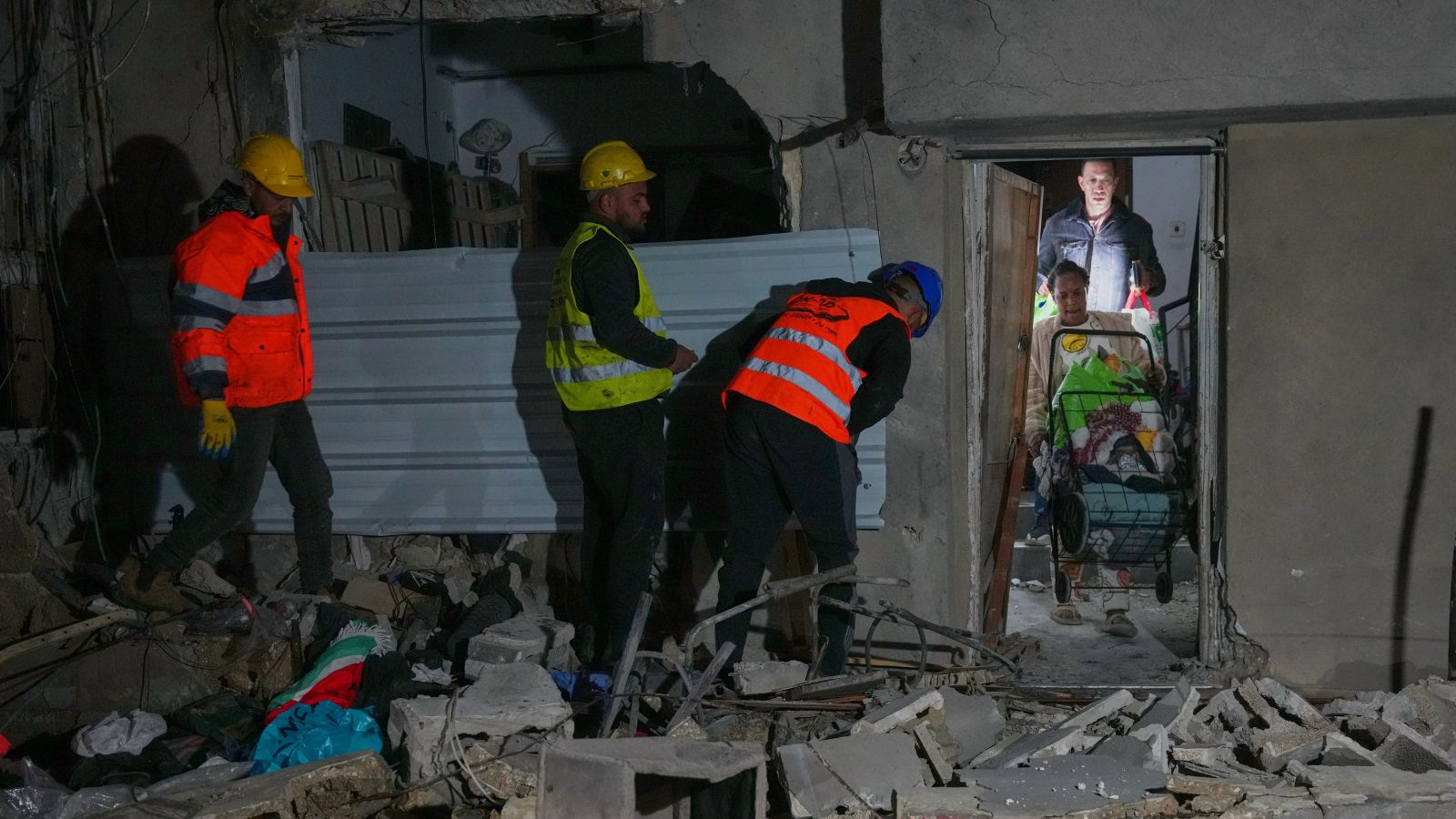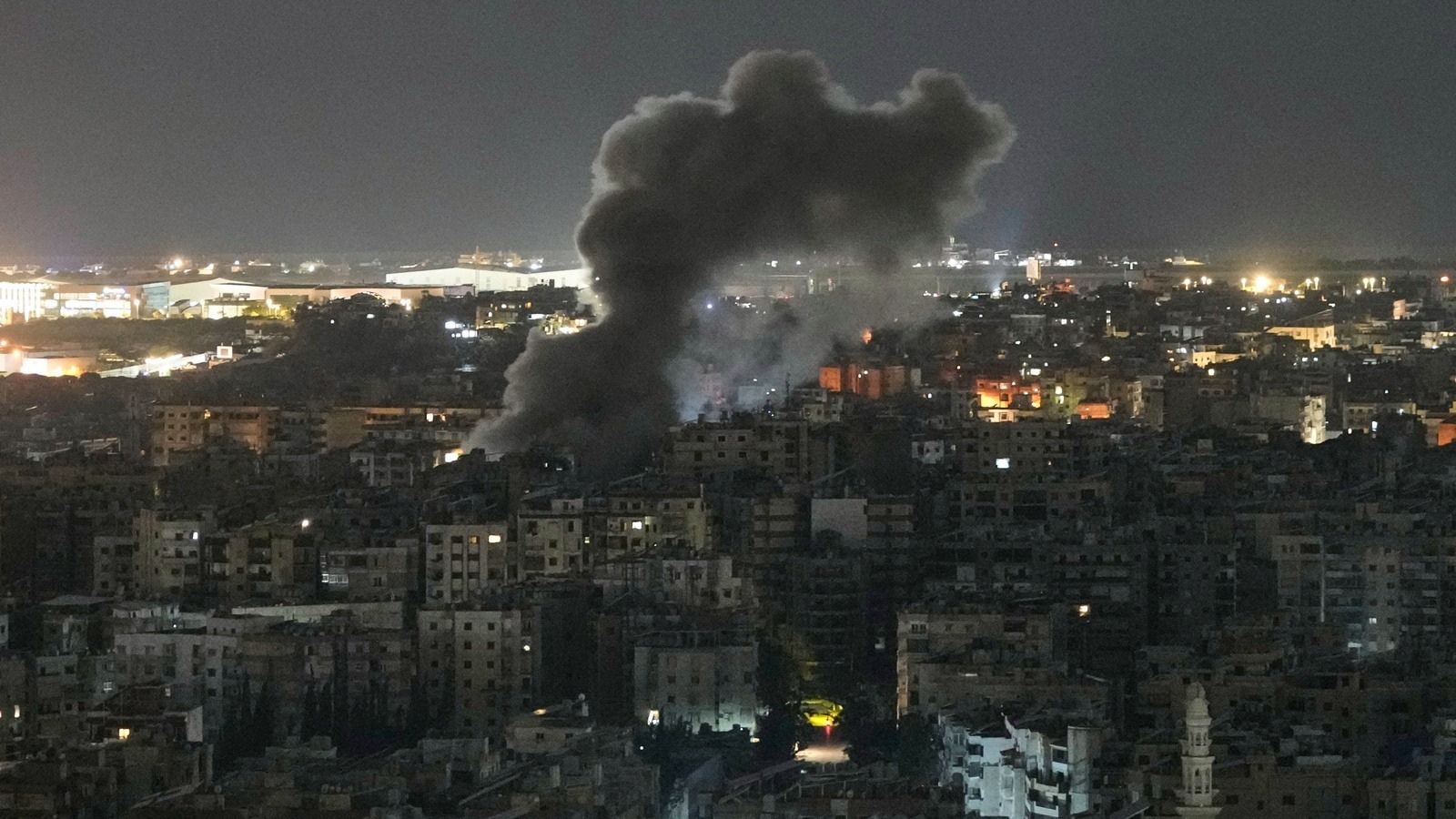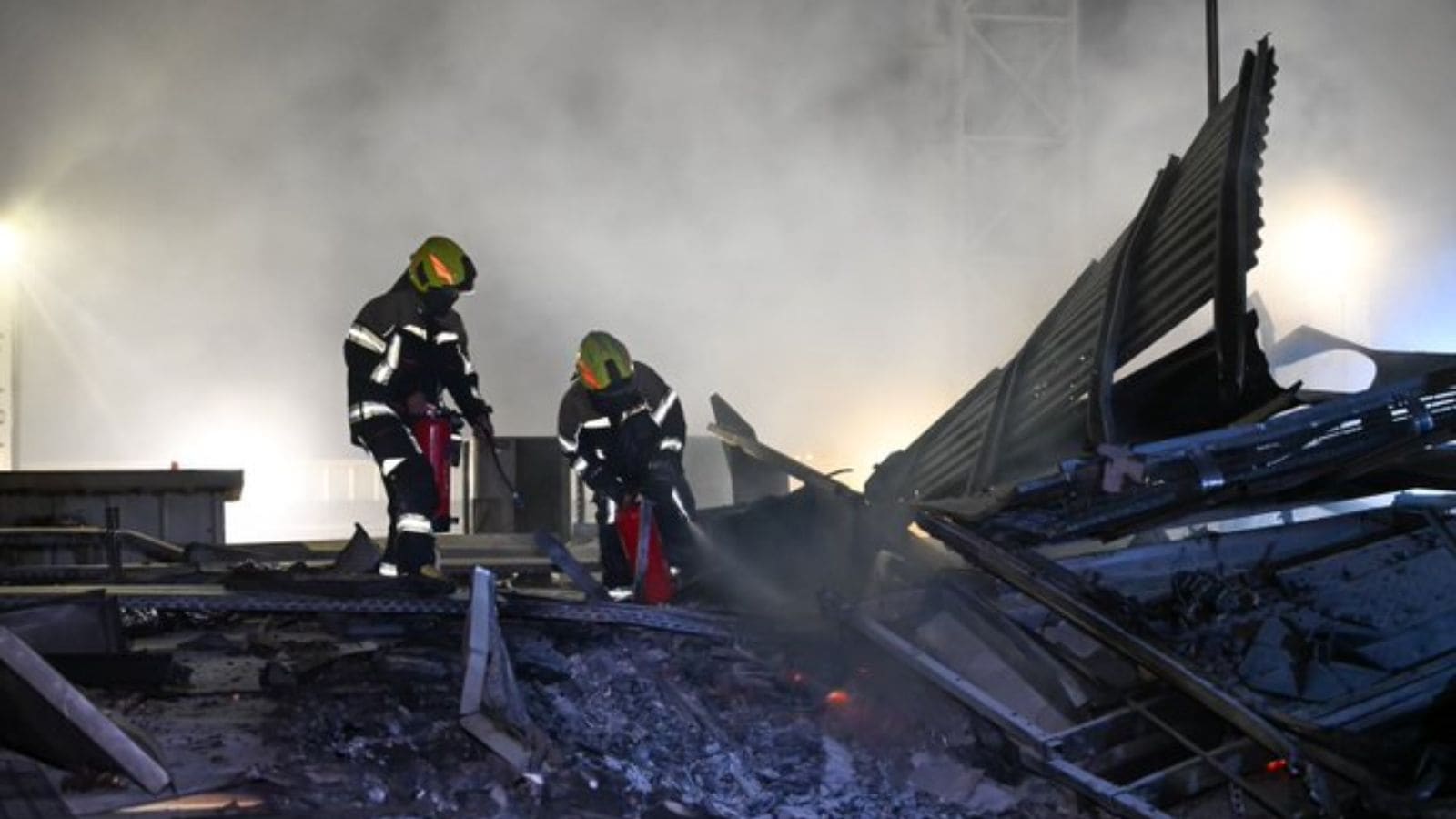
Five injuries from debris in Abu Dhabi is not a headline; it is a mathematical certainty. While mainstream outlets scramble to frame the interception of missiles over the UAE as a tragedy of "unlucky" bystanders, they are missing the cold, mechanical reality of modern warfare. We have reached a point where the public expects a "Star Wars" shield—a perfect, invisible dome that vaporizes threats into nothingness.
That dome does not exist.
If you are standing under an interceptor, you are standing in a falling scrap yard. The narrative that these five Indian nationals were victims of a "failure" or a "freak accident" is a lie born of a fundamental misunderstanding of physics and defense procurement. This wasn't a glitch. This was the system working exactly as it was designed.
The Myth of the Clean Kill
The media loves the term "interception." It sounds surgical. It suggests a bullet hitting a bullet and both simply ceasing to be. In reality, an interception is a high-velocity car crash at 30,000 feet.
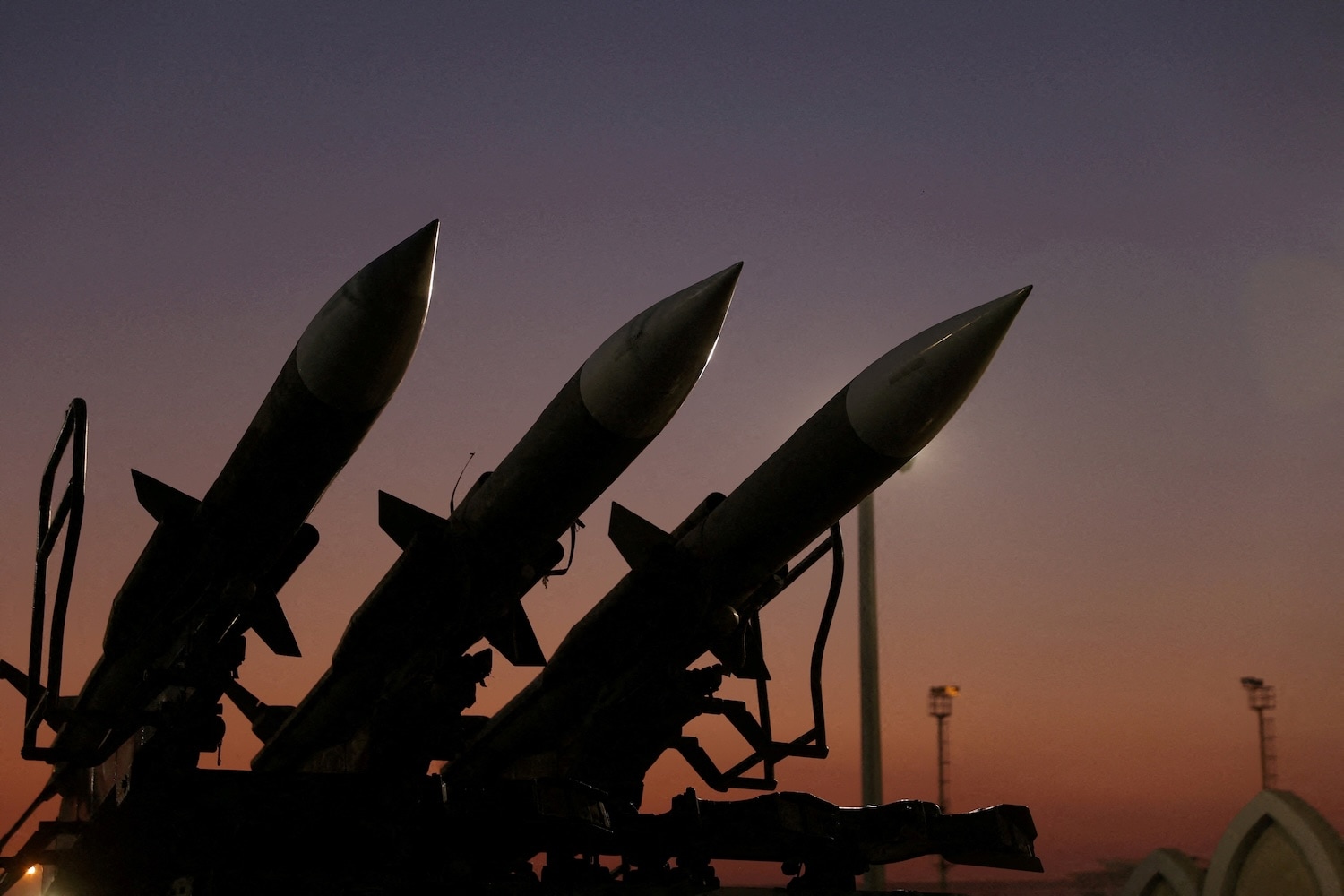
When a THAAD (Terminal High Altitude Area Defense) or a Patriot PAC-3 missile engages a ballistic threat, it uses "hit-to-kill" technology. There is no massive explosive warhead on the interceptor. It relies on kinetic energy—the raw force of mass hitting mass at hypersonic speeds.
Consider the variables:
- The Incoming Threat: A heavy, steel-cased missile body filled with unspent fuel and potentially a warhead.
- The Interceptor: A sophisticated rocket packed with sensors, solid fuel, and tungsten components.
- The Result: Thousands of pounds of jagged, white-hot metal traveling at Mach 5, suddenly redirected by gravity.
Gravity does not care about your residency status. If you blow up a missile over a densely populated global hub like Abu Dhabi, that mass has to go somewhere. The "debris" that hit those five individuals wasn't a side effect; it was the physical remains of a successful mission.
I’ve spent years analyzing defense systems in the Gulf, and the uncomfortable truth is that military planners make a "least-bad" calculation. They would rather have ten people injured by falling shrapnel than ten thousand killed by a direct hit on a skyscraper or an oil terminal. To report on these injuries as a shocking "incident" is to ignore the brutal arithmetic of urban defense.
The Geography of Risk
Why were these people hit? Because Abu Dhabi is a vertical city built on a horizontal desert. When you defend a compact, high-value target, the "debris footprint" almost always overlaps with human activity.
We see the same pattern in Tel Aviv and Kyiv. The "Iron Dome" or "Patriot" batteries are hailed as saviors, yet the streets are littered with twisted metal after every siren. The mainstream press treats this as an anomaly. It isn’t.
- Fact: An interceptor destroys the flight path, not the matter.
- Fact: Gravity ensures that 100% of what goes up comes back down, usually within a 5-mile radius of the impact point.
- Fact: Modern urban centers are the worst possible places to conduct kinetic interceptions, yet they are the only places worth defending.
The five Indians mentioned in these reports are the human faces of a statistical trade-off. In the war rooms, this is called "Acceptable Collateral Damage." It’s a cold phrase, but it’s the only one that fits. If you live in a city protected by multi-billion dollar missile shields, you have signed an unwritten contract: you are protected from the blast, but you are not protected from the rain of steel.
Stop Asking if it’s Safe
"People Also Ask" columns are currently flooded with questions about whether Abu Dhabi is "safe" for expats. This is the wrong question.
The right question is: Are you willing to trade the risk of a random debris strike for the certainty of living in a global power projection zone?
Safety is a relative concept in the Middle East. The UAE has some of the most advanced integrated air and missile defense (IAMD) systems on the planet. They are buying the best tech money can provide. But technology cannot rewrite the laws of thermodynamics.
When an interceptor hits a drone or a missile:
$$KE = \frac{1}{2}mv^2$$
The kinetic energy ($KE$) involved is astronomical. That energy must be dissipated. Most of it goes into heat and the structural failure of the airframes. The leftovers—the mass ($m$)—become unguided projectiles.
If you want absolute safety from debris, move to a tent in the Empty Quarter. If you want to live in a global financial hub, accept that the sky might occasionally fall.
The Expats as Shield
There is a deeper, more cynical layer to this that the "business as usual" articles won't touch. The labor force in the Gulf—largely comprised of South Asians—functions as a demographic shock absorber. They live in the high-density areas, they work the outdoor construction sites, and they occupy the service sectors that keep the city humming during a crisis.
When debris falls, it doesn't hit the luxury villas in fenced-off compounds first. It hits the streets. It hits the workers.
The "competitor" articles frame this as five individuals who were in the wrong place at the wrong time. Wrong. They were in the exact place the economy requires them to be. Their injuries aren't a tragedy; they are a line item in the cost of doing business in a conflict zone.
The Tech Won't Save You
We are seeing a surge in "directed energy" weapons—lasers—as the supposed fix for this. The logic is that a laser "burns" the target, causing it to lose structural integrity or detonate its fuel in mid-air.
I've seen the pitch decks for these systems. They are impressive. But they don't solve the debris problem. A laser-struck drone still has an engine, a battery, and a frame. It still weighs 50 kilograms. It still falls.
The industry is selling a "clean" war that doesn't exist. They want the public to believe that war can be managed like a software update—quiet, background-level, and non-disruptive. But when a Houthi-launched projectile meets an American-made interceptor over an Emirati street, the result is loud, violent, and messy.
The Brutal Reality
If you are reading the news to feel better, you are reading the wrong sources. The injury of five people by missile debris is a reminder that the "stability" of the Middle East is a manufactured state, held together by high-velocity kinetic interceptors and a massive amount of luck.
We shouldn't be surprised that people got hurt. We should be surprised it doesn't happen more often.
The "status quo" perspective is that this is an unfortunate accident. The "insider" perspective is that this is the system functioning at peak efficiency. It saved the multi-billion dollar infrastructure. It saved the "symbolic" targets. It just happened to drop a few hundred pounds of hot metal on some people who weren't the priority.
That is how missile defense works. That is how the world works.
If you're waiting for a version of this technology that doesn't produce "unlucky" victims, you're waiting for a fantasy. Stop looking for "safety" and start looking at the trajectory of the metal.
Go inside when the sirens wail. Not because the shield failed, but because it’s about to succeed right over your head.