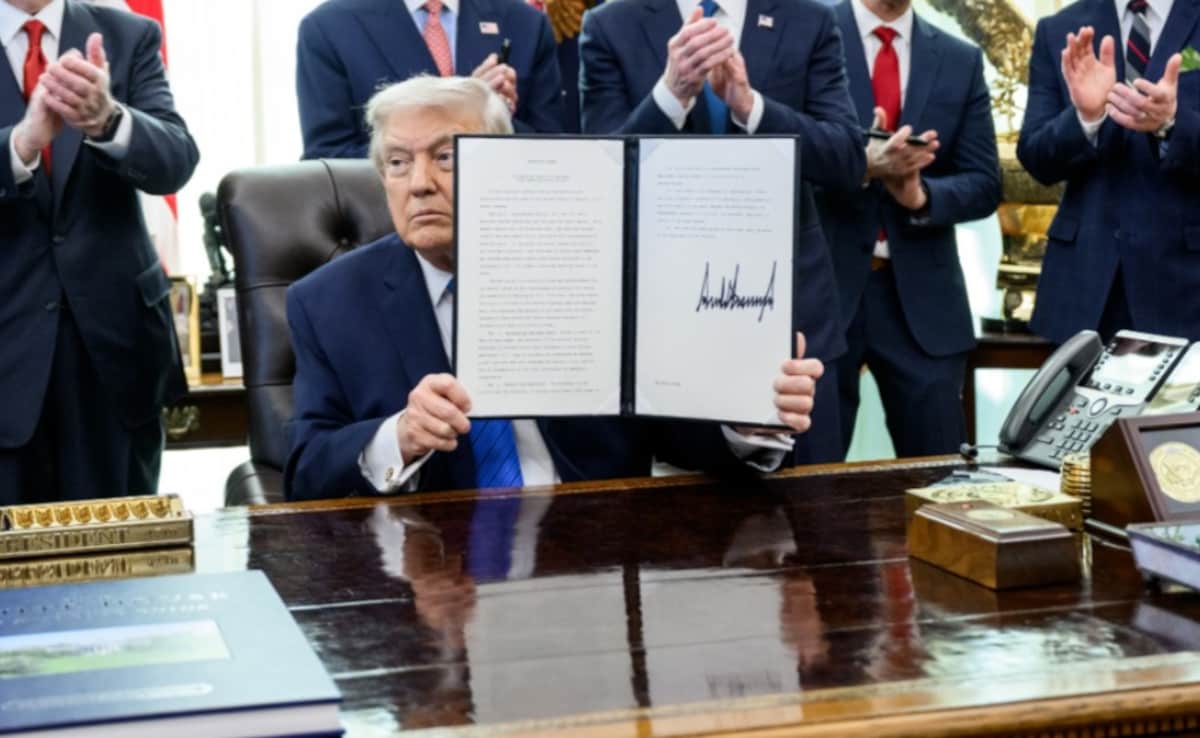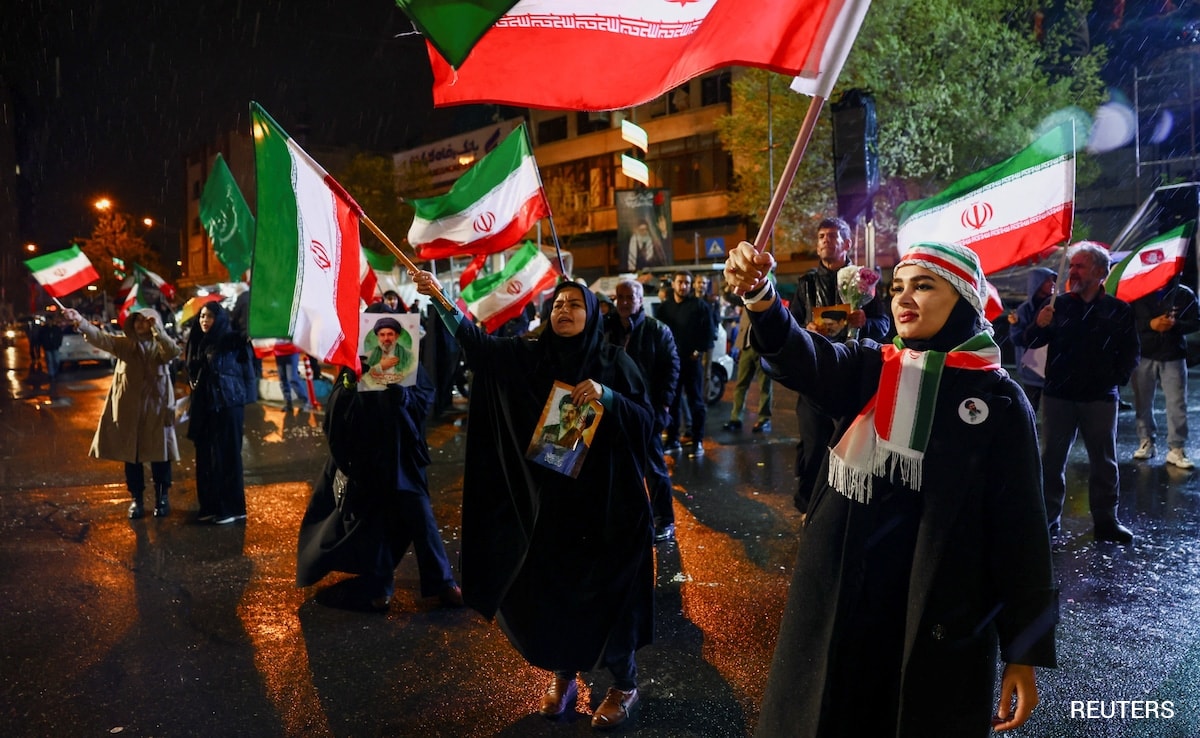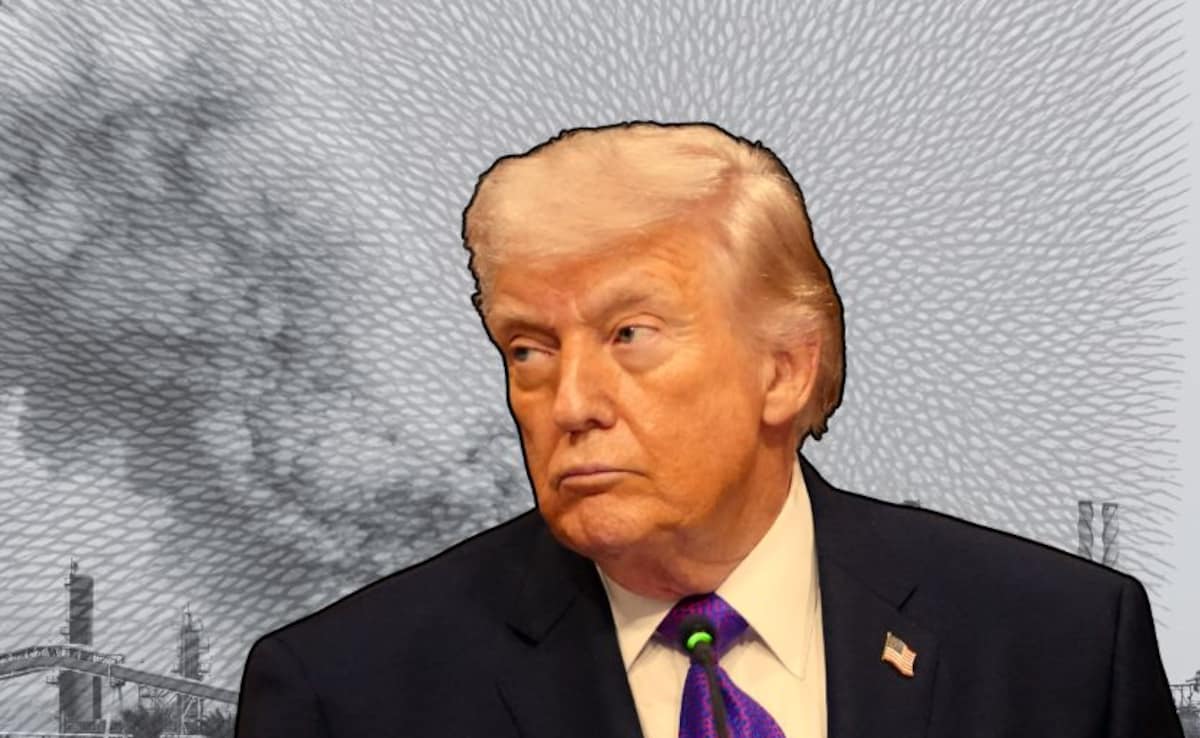
Donald Trump has turned the diplomatic clock into a bargaining chip. By extending a seven-day deadline to ten days for a military strike against Iranian assets, the administration isn't just buying time—it's weaponizing it. This three-day delta represents a masterclass in psychological warfare designed to fracture Tehran’s internal leadership while keeping global oil markets in a state of controlled panic. The move signals that the United States is no longer following the predictable script of the Pentagon’s standard operational playbooks. Instead, it is treating kinetic military action as a fluid negotiation tactic.
The extension reveals a deeper strategy than mere hesitation. When Trump claims "They asked for seven, I gave ten," he is signaling absolute dominance over the timeline. In the rigid world of Middle Eastern geopolitics, deadlines are usually treated as ironclad triggers for escalation. By casually shifting the goalposts, the White House is forcing the Iranian Revolutionary Guard Corps (IRGC) to remain in a state of high alert for an additional 72 hours. This isn't just a reprieve; it is a tactical drain on resources, personnel, and psychological resolve. Meanwhile, you can find other stories here: The Calculated Silence Behind the June Strikes on Iran.
The Pressure Cooker of Strategic Ambiguity
Military analysts often talk about "strategic ambiguity" as a way to keep enemies guessing. Trump has taken this concept and applied a salesman’s flair to it. By granting a request for more time—and then padding that time with an extra three days—he has effectively neutralized the Iranian narrative of "Western aggression." It is difficult for a regime to rally its populace against an imminent threat when the supposed aggressor is the one offering more time for a diplomatic off-ramp.
This delay creates a vacuum. In international relations, a vacuum is rarely filled with peace; it is filled with anxiety. Within the halls of power in Tehran, this ten-day window is likely causing a rift between the hardliners who want to strike first and the pragmatists who see this as a genuine, if narrow, opening to avoid total war. To explore the complete picture, check out the excellent analysis by The New York Times.
- Logistical Strain: Keeping air defense systems at peak readiness for ten consecutive days is an immense burden on aging hardware.
- Information Warfare: Every hour that passes without a strike allows US intelligence to monitor how Iran shifts its assets in real-time.
- Economic Whiplash: The global energy sector reacts to every whispered rumor. This extension keeps the price of crude in a volatile holding pattern that hurts Iran’s struggling economy more than it hurts the diversified West.
Breaking the Pentagon Traditionalism
For decades, the American military machine has operated on a "set it and forget it" model of escalation. You draw a line in the sand, and if the enemy crosses it, you strike. The Trump approach ignores this linear progression. By treating the deadline as a suggestion rather than a decree, the administration is making the IRGC play a game where the rules change every morning at 6:00 AM.
This creates a massive headache for Iranian commanders. How do you maintain the morale of a missile battery crew when the "zero hour" keeps drifting into the future? The human element of warfare cannot be ignored. Boredom and fatigue lead to mistakes. Mistakes lead to vulnerability. By the time day ten arrives, the Iranian defense apparatus will be significantly more frayed than it was on day one.
The Global Audience and the Oil Factor
It would be a mistake to think this move is aimed solely at Tehran. This is a message to Beijing and Moscow as well. By showing "restraint" through an extension, the US is positioning itself as the rational actor in a room full of radicals. If and when the strikes eventually occur, the White House can point to the ten-day window as proof that they exhausted every possible avenue for a peaceful resolution.
Then there is the matter of the Strait of Hormuz. Roughly 20% of the world’s oil passes through this narrow waterway. Any sudden military flare-up could send prices skyrocketing to over $100 a barrel overnight. The ten-day extension provides a buffer for global markets to price in the risk. It allows tankers to clear the area and insurers to adjust their premiums. It is a cynical but necessary bit of economic engineering performed on the fly.
The Myth of the Seven Day Request
We must also look at the origin of the "seven day" request. While the administration claims the request came from the other side, it serves as a convenient narrative device. Whether the request was formal, back-channel, or entirely manufactured is almost irrelevant. The power lies in the public granting of the request.
In the theater of international diplomacy, being the person who grants time is the ultimate flex. It suggests that you are so confident in your military superiority that a few extra days make no difference to your eventual success. It is the posture of a predator that is in no hurry to finish the hunt.
Intelligence Gathering in the Interval
While the public watches the clock, the NSA and CIA are likely working overtime. A ten-day window is a lifetime in the world of modern signals intelligence.
- Tracking Movements: High-value targets often move when they think a strike is imminent. By extending the deadline, the US gets to watch these targets move multiple times, establishing patterns that wouldn't be visible in a shorter window.
- Communication Intercepts: When a deadline is extended, the frantic communication between Tehran and its proxies in Lebanon, Iraq, and Yemen increases. This "chatter" is a goldmine for decrypting intent and identifying the chain of command.
- Cyber Insertion: While the world waits for physical bombs, the real war is being fought in the digital architecture of Iran's power grid and nuclear facilities. Extra time allows for more precise "digital footprints" to be laid.
The Risk of the Long Game
There is, of course, a massive gamble at play here. The longer you wait, the more time the enemy has to dig in. Iran is not a disorganized insurgency; they are a sophisticated state actor with one of the largest missile programs in the world. They have used this decade of tension to bury their most sensitive assets deep underground, often under hundreds of feet of reinforced concrete and granite.
Every day that passes allows Iran to further harden these sites. They can also use the time to move mobile launchers into civilian areas, creating a "human shield" scenario that complicates the ethics and optics of a US strike. The "ten day" window is a double-edged sword that could just as easily result in a more difficult military objective if diplomacy fails.
The Proxy Response
We cannot analyze Iran in a vacuum. The "extended deadline" also puts pressure on Iran’s regional proxies. Groups like Hezbollah and the Houthis are currently looking to Tehran for a signal. If the signal is "wait three more days," it creates a ripple effect of uncertainty across the entire "Axis of Resistance."
If these groups feel that Tehran is being too passive, they may act independently to "save face" for the movement. This is perhaps the greatest danger of the ten-day window: the possibility of a third-party actor triggering a war that neither the US nor the Iranian central government is fully ready to start this week.
The Domestic Narrative
Back home, the ten-day extension serves as a political shield. It appeals to the "America First" base that is weary of "forever wars," showing that the President is not a warmonger. Simultaneously, it satisfies the hawks by keeping the threat of "total destruction" on the table. It is a political Rorschach test where every observer sees exactly what they want to see.
The administration is betting that the American public has a short attention span but a high tolerance for suspense. By stretching out the drama, they turn a terrifying military possibility into a televised event, complete with countdown clocks and expert panels. This normalization of high-stakes brinkmanship is perhaps the most lasting legacy of the current era of foreign policy.
The Mechanics of the Strike
If the clock hits zero without a deal, the resulting strike will not be a repeat of the 20th-century "Shock and Awe." It will likely be a surgical application of force designed to decapitate leadership and disable specific infrastructure without committing to a full-scale ground invasion.
- B-2 Spirit Stealth Bombers: Capable of reaching the most hardened targets from bases in Missouri or Diego Garcia.
- Tomahawk Cruise Missiles: Launched from destroyers in the Arabian Sea to overwhelm air defenses.
- Electronic Warfare: Jammers that will turn Iran's radar screens into a wall of static minutes before the first kinetic impact.
The "ten day" window allows the US to position these assets with a degree of precision that a "seven day" window simply wouldn't permit. It is about optimizing the strike package for maximum impact with minimum collateral damage.
The Diplomatic Off-Ramp
Despite the bellicose rhetoric, the goal of the extension remains a new "Grand Bargain." The administration wants a deal that goes beyond the original nuclear agreement, covering ballistic missiles and regional interference. They are using the threat of a strike as the ultimate closer in a high-stakes real estate deal.
The problem is that the Iranian leadership views their missile program not as a bargaining chip, but as an existential necessity. You don't trade your life insurance for a slightly better interest rate. This fundamental disconnect is why the ten-day window is more likely to end in a roar than a handshake.
The Brinkmanship Ceiling
We are reaching the limit of what can be achieved through threats alone. You can only extend a deadline so many times before it loses all meaning. If the tenth day passes and nothing happens, the US loses the "madman" credibility that has been the cornerstone of its recent Middle East policy.
The Iranians know this. They are currently weighing whether the US is actually willing to pull the trigger or if this is just the world’s most elaborate bluff. The next 72 hours will determine the trajectory of the region for the next decade. There is no room left for "extensions" or "requests."
The administration has painted itself into a corner of its own making. It is a corner lined with B-2 bombers and Tomahawk missiles, but a corner nonetheless. The only way out is through, and the path "through" involves a level of risk that hasn't been seen since the Cuban Missile Crisis.
Every move from this point forward must be perfect. In a world where a single miscalculation can trigger a global recession and a regional conflagration, "giving them ten" is either a stroke of genius or a catastrophic misread of an adversary that has nothing left to lose.