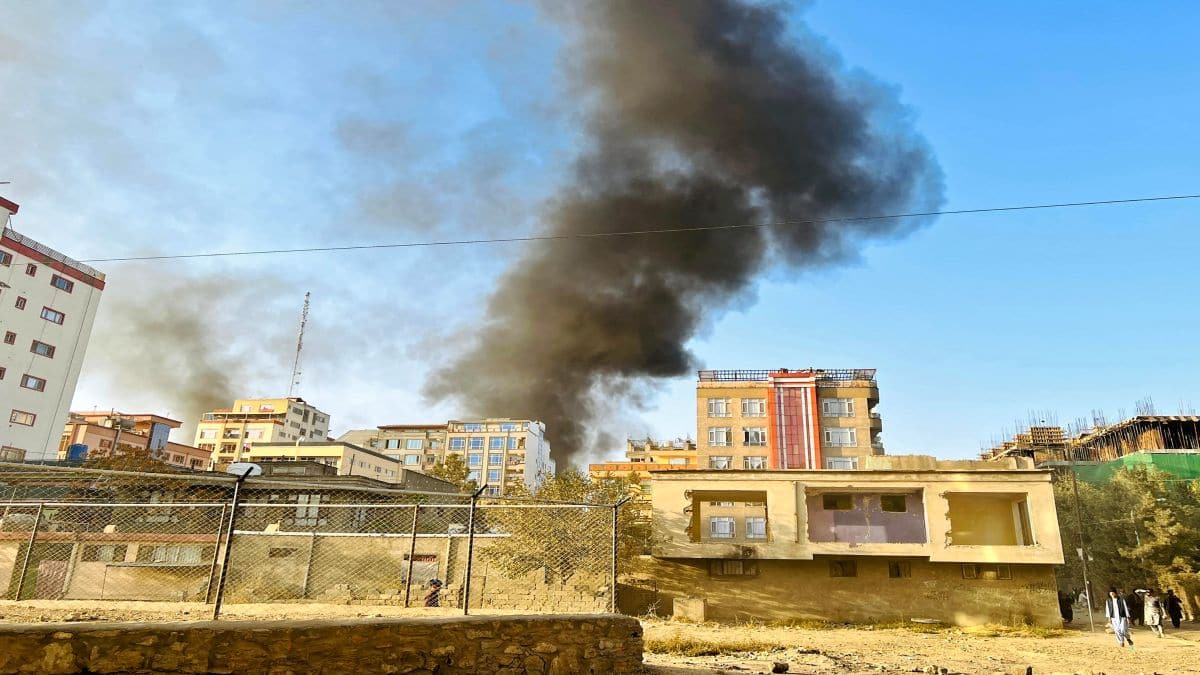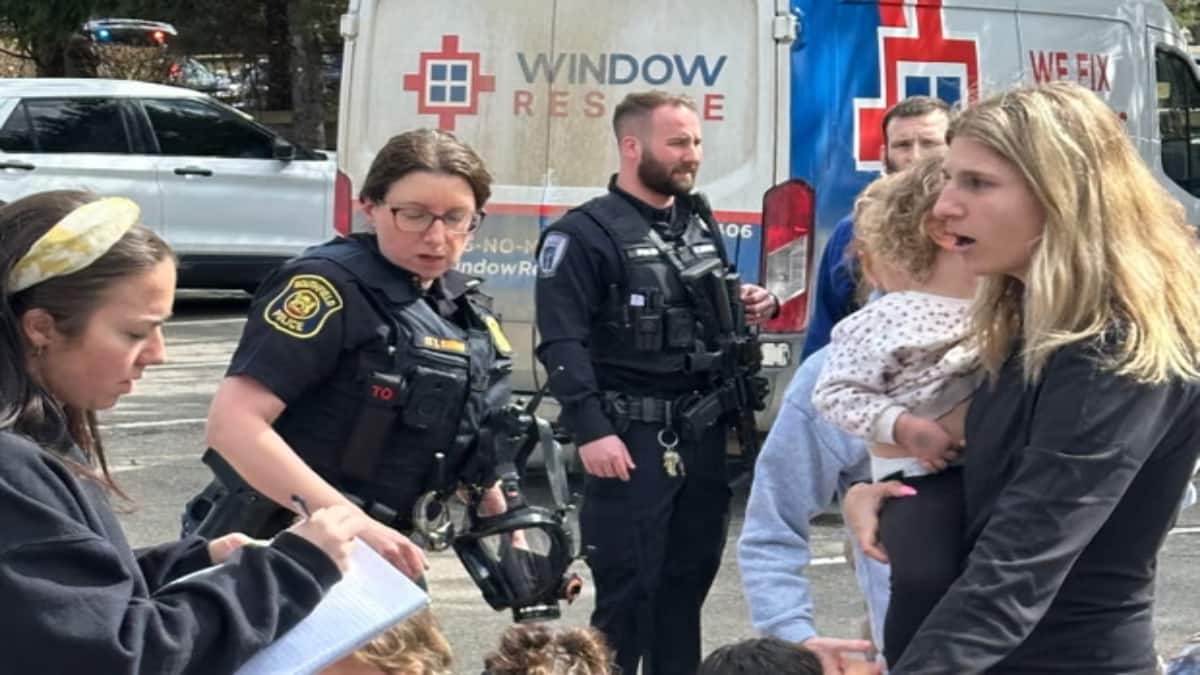
A car packed with explosives just rammed into a Michigan synagogue. The suspect is dead. The building is damaged. But the real impact is the collective chill running through every community center and house of worship in the country. This isn't just another headline about a localized crime; it’s a massive wake-up call regarding the evolving nature of domestic threats and the sheer vulnerability of public spaces.
When we talk about security, we often think about metal detectors or "see something, say something" posters. This incident proves those measures are sometimes miles behind the reality of a determined individual with a vehicle and a trunk full of DIY explosives. Law enforcement is currently combing through the wreckage in Michigan, trying to piece together a motive, but the immediate takeaway is clear. We're dealing with a landscape where the threat isn't just a person with a weapon—it's the car they're driving and the volatile materials they can source from a hardware store.
What Happened on the Ground in Michigan
Early reports confirm a vehicle accelerated into the structure, causing a significant explosion upon impact. The suspect died at the scene, which complicates the investigation because there’s no one to interrogate. Now, federal and local agencies have to rely on digital footprints, manifestos, or purchase histories to figure out if this was a lone wolf or part of a broader, coordinated effort.
The synagogue was occupied at the time, which makes the lack of mass casualties a stroke of incredible luck or a testament to the structural integrity of the building’s entrance. However, luck isn't a security strategy. The FBI and the ATF are on-site, treats each fragment of the vehicle as a piece of a much larger puzzle. They're looking at the type of explosive used—was it a sophisticated device or a crude mixture of fuel and fertilizer? The answer tells us a lot about the suspect's level of training and potential connections to extremist groups.
The Rising Trend of Vehicle Ramming Attacks
It's time to be honest. Vehicles are the ultimate low-tech, high-impact weapon. We’ve seen this in Europe, we’ve seen it in New York, and now we’re seeing it targeted specifically at a religious institution in Michigan.
Why do attackers choose cars? They're easy to get. They don't trigger the same red flags as buying a firearm in certain jurisdictions. And, perhaps most importantly, they bypass many traditional security perimeters. Most synagogues and churches are designed to be welcoming. They have open parking lots and accessible front doors. That "open door" policy is being weaponized against them.
The Failure of Standard Perimeter Security
Most public buildings rely on "soft" security. Maybe there's a guard. Maybe there are cameras. But very few have the structural defenses needed to stop a two-ton SUV moving at 50 miles per hour.
We need to talk about bollards. You see them in front of government buildings and airports—those heavy metal or concrete posts anchored deep in the ground. They're ugly. They're expensive. But they're the only thing that actually stops a ramming attack. In Michigan, the vehicle was able to make direct contact with the building's facade. If those bollards had been in place, the explosion likely would have happened twenty feet away from the main structure, potentially saving the building and reducing the risk to those inside.
The Psychological Toll on the Jewish Community
You can't ignore the context here. This attack happened during a period of record-high antisemitism. For the Jewish community, this isn't an isolated incident of "a guy with explosives." It’s part of a terrifying pattern. When a synagogue is targeted, it sends a message to every member of that congregation that their most sacred space isn't safe.
This creates a "security tax" on religious life. Organizations now have to spend thousands, sometimes millions, on armed guards and fortified glass. That’s money taken away from education, community outreach, and charity. It's a heavy burden to carry just to pray in peace.
How Law Enforcement Probes These Attacks
The investigation doesn't stop at the crime scene. Agencies are currently executing search warrants on the suspect's home and digital devices. They’re looking for:
- Encryption and Communication: Did the suspect use apps like Signal or Telegram to talk to handlers or like-minded extremists?
- Financial Trails: Who paid for the vehicle? Where did the money for the explosive components come from?
- Prior Red Flags: Was this person on a watchlist? Did neighbors report erratic behavior?
Often, we find out after the fact that there were plenty of warning signs. The "lone wolf" narrative is frequently a myth; most of these individuals are radicalized in online communities that egg them on. The probe in Michigan will likely reveal a trail of radicalization that started months or even years ago.
Rethinking Safety for Houses of Worship
If you're involved in the leadership of a community center or a house of worship, you can't wait for the government to fix this. You have to take immediate steps.
First, conduct a professional vulnerability assessment. Don't just ask a local cop to walk around; hire a security firm that specializes in domestic terrorism. They’ll look at things you’d miss, like the line of sight from the street or the strength of your door frames.
Second, look into federal grants. The Nonprofit Security Grant Program (NSGP) exists specifically for this. It provides funding for physical security enhancements. It’s a bureaucratic nightmare to apply for, but it's one of the few ways a small congregation can afford the high-grade defenses needed to stop a vehicle-borne improvised explosive device (VBIED).
Third, train your people. Security isn't just about walls. It’s about a culture of awareness. If the person at the front desk knows how to spot a suspicious vehicle idling in the lot, they can call for a lockdown before the ramming even starts. Seconds matter.
The Problem With "Lone Wolf" Labeling
Calling the Michigan suspect a "lone wolf" is a mistake. It suggests the problem is solved now that he's dead. It’s not. The ideology that drove him into that synagogue is still alive and well online. Until we address the pipelines that turn ordinary people into domestic terrorists, Michigan won't be the last place this happens.
We need better cooperation between tech companies and law enforcement to flag the kind of rhetoric that leads to violence. It's a thin line between free speech and inciting a domestic attack, but when people are packing cars with explosives, that line has been crossed and then some.
Check your own community's defenses today. Look at the entrance of your workplace, your school, or your place of worship. If a car could drive straight through the front door, the security is failing. Start the conversation with your local board about installing crash-rated barriers. Contact your local police department’s community liaison and ask for a fresh look at your perimeter. Awareness is the only thing that works when the threat is literally at your doorstep.