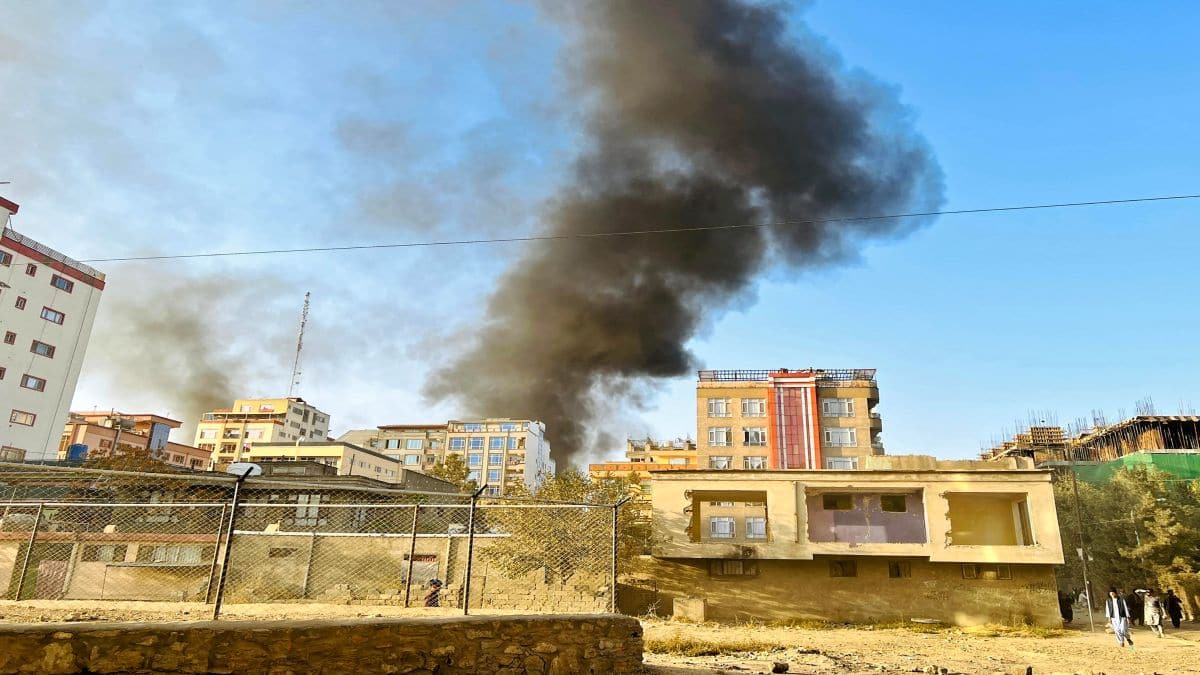
The recent Pakistani airstrikes targeting the Khost and Paktika provinces of Afghanistan—resulting in at least four casualties—represent a fundamental shift from covert counter-insurgency to overt state-level kinetic intervention. This transition signals that the traditional "strategic depth" doctrine has collapsed, replaced by a desperate reactive posture. To understand the gravity of these strikes, one must analyze the breakdown of the bilateral security architecture through three specific vectors: the failure of the proxy governance model, the internal political necessity of the Pakistani military establishment, and the shifting calculus of the Tehrik-i-Taliban Pakistan (TTP).
The Failure of Proxy Governance and the Sovereignty Trap
For decades, the relationship between Islamabad and Kabul was predicated on the assumption that a friendly government in Afghanistan would provide Pakistan with a secure western flank. The 2021 Taliban takeover was initially viewed by Pakistani intelligence as a geopolitical victory. However, this assessment ignored the Sovereignty Paradox: a revolutionary movement, once it transitions into a state power, cannot remain a subservient proxy without losing internal legitimacy.
The Afghan Taliban’s refusal to dismantle TTP sanctuaries is not merely a matter of capability; it is a matter of ideological cohesion. The TTP and the Afghan Taliban share a Deobandi core and a history of fighting alongside one another. For the Kabul administration, extraditing or attacking the TTP would risk a massive internal schism and potential defections to the Islamic State Khorasan (IS-K).
Pakistan's decision to use airpower inside Afghan territory attempts to resolve this paradox through force. By striking what it identifies as TTP hideouts, Islamabad is signaling that it no longer recognizes the Taliban's "neutrality" as valid. This creates a high-stakes friction point:
- The Deterrence Gap: If Pakistan strikes and the TTP continues its operations, the strikes are revealed as a tactical failure.
- The Diplomatic Void: Overt military action forces the Taliban to respond rhetorically and militarily to maintain domestic credibility, narrowing the window for a negotiated settlement.
The TTP Cost Function: Quantifying the Insurgent Advantage
The TTP has evolved from a fractured group of militants into a disciplined, centralized force. Their strategy utilizes a Low-Cost, High-Impact (LCHI) model that leverages the geographical advantages of the border regions.
The insurgency operates on a specific economic and tactical logic:
- Geographic Asymmetry: The TTP uses the porous Durand Line to conduct "hit and run" operations. The cost for a militant to cross the border and plant an IED is negligible compared to the cost for the Pakistani state to maintain a permanent, high-alert military presence across thousands of kilometers of mountainous terrain.
- Weaponry Proliferation: The influx of abandoned Western military hardware following the 2021 withdrawal has significantly upgraded the TTP’s lethality. Thermal optics, night-vision goggles, and M4 carbines have closed the technological gap that previously favored the Pakistani Frontier Corps.
- Political Capital: Every Pakistani airstrike that results in civilian casualties—such as the four deaths reported in recent strikes—serves as a recruitment tool for the TTP. It allows the group to frame the Pakistani state as an aggressor against Pashtun sovereignty, shifting the narrative from a religious conflict to an ethno-nationalist struggle.
Internal Pressures and the Military Establishment’s Calculus
The timing of these strikes cannot be divorced from Pakistan's internal volatility. Following a contentious election cycle and a crippling economic crisis requiring IMF intervention, the military establishment faces a significant legitimacy deficit. Kinetic action in Afghanistan serves a dual domestic purpose.
First, it reasserts the military's role as the sole guarantor of national security. When domestic terror attacks—such as the recent assault on the Mir Ali post—spike, the public demands accountability. Retaliatory strikes provide a visible, albeit temporary, demonstration of strength.
Second, it shifts the blame for security failures outward. By identifying Afghanistan as the root cause of domestic instability, the state diverts attention from the structural failures of its "Border Management Initiative," which has failed to secure the multi-billion dollar fence constructed along the Durand Line.
The Erosion of Strategic Buffers
Historically, the Pak-Afghan border was managed through informal local agreements and tribal intermediaries. The formalization of this border, combined with the use of heavy kinetic assets like fighter jets and drones, has stripped away these buffers. We are now in a state of Constant Friction, defined by:
- Artillery Duels: What began as small-arms skirmishes between border guards has escalated into frequent exchanges of heavy artillery. This raises the probability of a miscalculation that could lead to a broader conventional conflict.
- Economic Strangulation: Frequent border closures at key transit points like Torkham and Chaman serve as a form of non-kinetic warfare. However, this tool is double-edged; it damages the Afghan economy but also hurts Pakistani exporters and fosters resentment among the border-dwelling populations who rely on trade.
- Intelligence Blind Spots: As diplomatic relations sour, human intelligence (HUMINT) networks on both sides of the border become compromised. This lack of clear communication increases the reliance on "signal intelligence" and satellite imagery, which often lacks the nuance required to distinguish between militant compounds and civilian dwellings.
Risk Assessment: The Probability of Escalation
The current trajectory points toward a sustained period of low-intensity conflict punctuated by high-intensity strikes. There is a measurable risk that this cycle will spiral into a regional crisis. If Pakistan continues to conduct airstrikes, the Taliban may feel compelled to utilize their own asymmetric assets, including the deployment of "suicide brigades" (Badri 313) closer to the border or providing more sophisticated logistical support to TTP cells within Pakistani cities.
The absence of a third-party mediator—as China and Qatar have shown limited appetite for getting bogged down in this specific bilateral dispute—means the escalatory ladder has no "off-ramps."
Strategic stakeholders must now account for a Pakistan that is willing to risk international condemnation for violating Afghan sovereignty in exchange for short-term domestic security optics. This is a transition from a "Security State" to a "Reactionary State," where the long-term geopolitical costs are being discounted against the immediate need to suppress an emboldened insurgency.
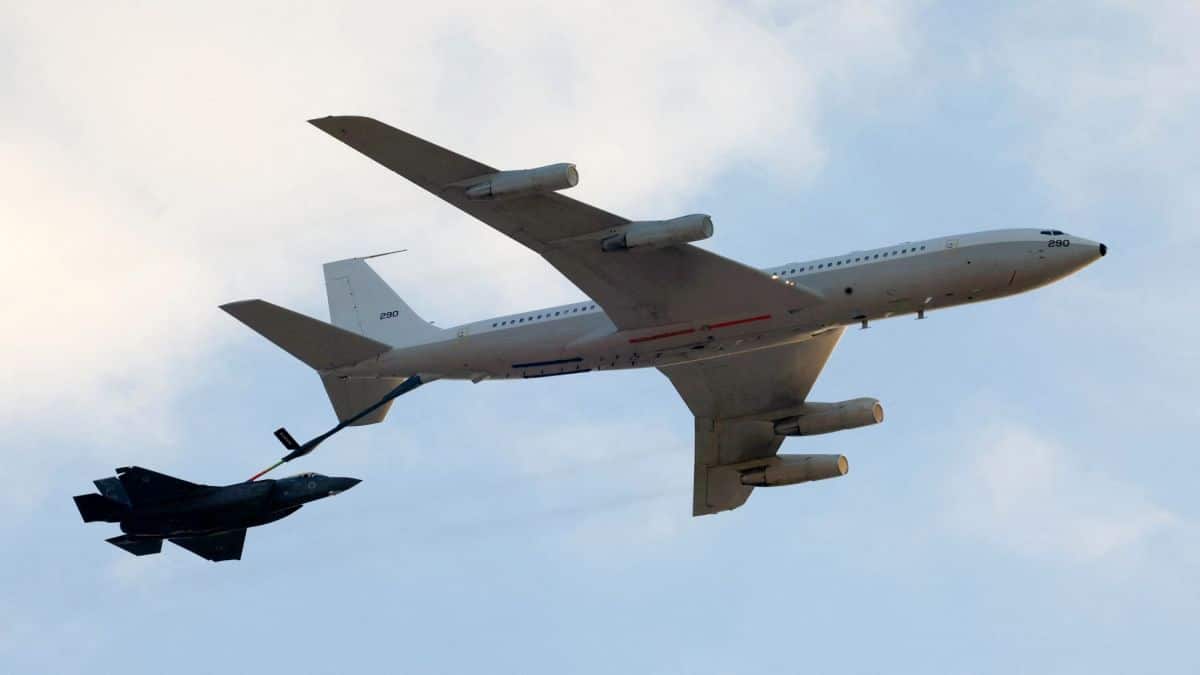
The most probable immediate outcome is not a full-scale war, but the "Israelization" of the border: a permanent state of high-tech surveillance and periodic aerial bombardments that manage, but never solve, the underlying security threat. This model is fiscally exhausting for a cash-strapped Pakistan and politically toxic for a nascent Taliban government, yet both sides appear locked into this path by their respective internal constraints.
Pakistan must pivot from a purely kinetic response to a dual-track strategy that combines targeted operations with a fundamental renegotiation of its border-area social contract. Relying on airpower to solve a ground-level insurgency is a proven failure in counter-insurgency history; without addressing the socio-political vacuum in the former Tribal Areas, these strikes remain a tactical band-aid on a systemic wound. The military establishment must decide if the preservation of "face" is worth the permanent destabilization of its western frontier. Moving forward, the only viable metric for success is not the body count in Khost, but the reduction of the TTP's operational freedom within Pakistan's own borders—a goal that requires intelligence-led policing over high-altitude bombings.