The smoke hasn't even cleared from the February 28 airstrikes on Iran, but the scoreboard already has a clear leader. While Washington and Jerusalem are locked in a high-stakes military gamble and Tehran's infrastructure is smoldering, Vladimir Putin is watching his bank account grow. If you think this is just another regional skirmish, you're missing the bigger picture. Russia isn't just a bystander; it's the primary beneficiary of a Middle East in flames.
The math is simple and brutal. Before the US-Israeli strikes, Russian fossil fuel revenues were feeling the squeeze of Western sanctions, dipping to around $501 million a day in January 2026. Fast forward to mid-March, and those revenues surged back to $554 million. That’s an extra $50 million a day just for sitting still.
The Great Oil Pivot
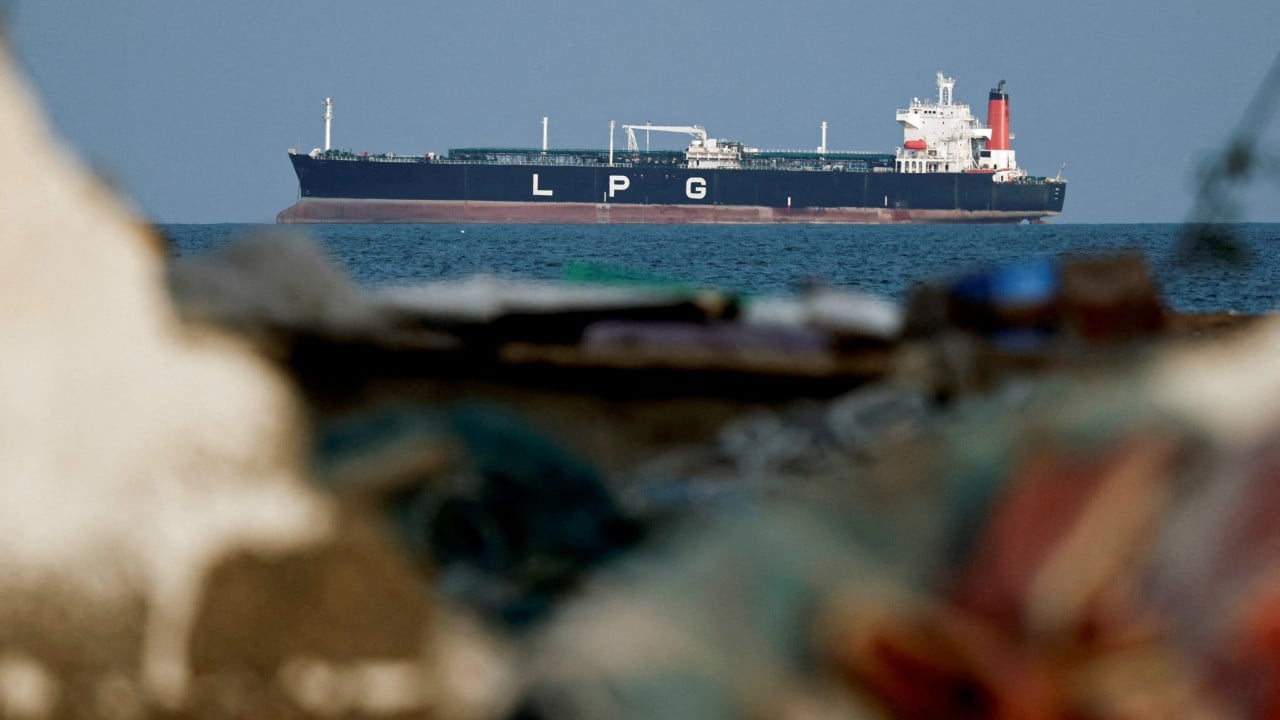
The closure of the Strait of Hormuz on March 4 turned the global energy market into a desperate auction. Suddenly, 20% of the world's oil supply was effectively locked behind a naval blockade. For countries like India and China, which rely heavily on Gulf crude, the panic was real.
India, which had actually been cutting back on Russian imports earlier this year, did a total 180-degree turn. In March, shipments of Russian crude to Indian refiners surged back toward 2 million barrels per day. The irony is thick enough to choke on. The US Treasury, led by Scott Bessent, had to issue temporary sanctions waivers just to keep the global economy from flatlining. What was "toxic" Russian oil in 2025 became "indispensable" energy in 2026.
This isn't just about a price spike. It’s about leverage. Russia’s flagship Urals crude, which spent years trading at a steep discount, has clawed back its value. In some markets, it's even fetching a premium. Putin is selling into a seller’s market while his biggest competitors in the Gulf are literally under fire.
Ukraine Gets Sidelined
While the world watches Iranian missile batteries and US carrier groups, the front lines in Donetsk are getting a lot less "likes." This distraction is a strategic gift for the Kremlin. The Trump administration’s focus has shifted almost entirely to the Middle East, leaving Ukraine in a precarious spot.
President Zelenskyy isn't hiding his frustration. He’s pointed out that American Patriot air-defense missiles—the same ones Kyiv needs to stop Russian cruise missiles—are being rerouted to protect US bases and Israeli cities. The numbers don't lie. The US produces maybe 800 Patriot interceptors a year. In the first few days of the Iran conflict, hundreds were fired. You don't need a PhD in logistics to see that Ukraine is losing the competition for resources.
Russia is using this window to launch its spring offensive. With Western diplomatic bandwidth exhausted and military stocks diverted, the pressure on Kyiv is reaching a breaking point. Moscow is betting that a prolonged "quagmire" in the Middle East will eventually force the West to trade away Ukrainian interests for a ceasefire in the Gulf.
The Intelligence Exchange
Don't buy the "neutral mediator" act coming out of the Kremlin. While Moscow offers to broker peace talks in Abu Dhabi, it's quietly feeding Tehran the data it needs to stay in the fight. Reports indicate that Russian satellite feeds are providing real-time tracking of US warships and aircraft.
It's a classic case of "payback" for the intelligence the US provided to Ukraine. By helping Iran sharpen its retaliatory strikes, Russia ensures the conflict stays hot enough to keep oil prices high and Western attention diverted. It’s a low-cost, high-reward strategy. They aren't losing troops, but they're gaining every time an Iranian drone finds its mark.
Why This Isn't All Good News for Moscow
It’s not a total win-win, though. Iran was a key partner in Russia’s "southern flank" strategy. They worked together in Syria and Libya to push back against NATO influence. If the Iranian regime actually collapses or gets severely weakened, Russia loses its most important regional ally.
China is also getting grumpy. Beijing hates instability that jacks up its energy costs. Since China is Russia's biggest customer and most important "no-limits" partner, Putin has to walk a fine line. He wants the war to be expensive for the West, but not so catastrophic that it tanks the Chinese economy or leads to a total US victory in the region.
The New Economic Reality
The global energy map is being redrawn in real-time. We’re seeing a systemic collapse of the old Gulf-centered economic model.
- Fertilizer Monopolies: With Saudi and Qatari exports hampered, Russia is stepping in to fill the gap as a primary global fertilizer supplier.
- LNG Dominance: European gas prices doubled between December 2025 and March 2026. Every time a Qatari LNG tanker is turned back, Russian producers like Novatek see their stock prices jump.
- Sanctions Erosion: The sheer necessity of Russian energy is making Western sanctions look like a sieve. When the choice is "buy Russian" or "let the lights go out," even the most hawkish politicians are choosing the former.
The reality is that Russia has found a way to thrive in the chaos. For a country that was supposed to be "isolated" and "crippled" by 2026, the Iran war has provided a massive fiscal and strategic lifeline.
Keep an eye on the Urals crude price and the delivery schedules of Patriot missiles. If oil stays above $100 and the US continues to prioritize the Middle East over Eastern Europe, the "biggest winner" title won't even be up for debate. You can track the daily revenue shifts through the International Energy Agency's (IEA) latest market reports to see just how much the Kremlin is raking in.
Would you like me to analyze the specific impact of the Hormuz closure on European industrial surcharges?