The dust on a tractor hood in Iowa tells a different story than the digital tickers in a Washington briefing room. In the heartland, silence is expensive. It is the sound of a machine that isn’t running because the fuel is too high or the market for the grain is too low. For the American farmer, the geopolitical chess match between Washington and Tehran isn't a headline. It is a line item on a ledger that has been bleeding red for longer than most care to admit.
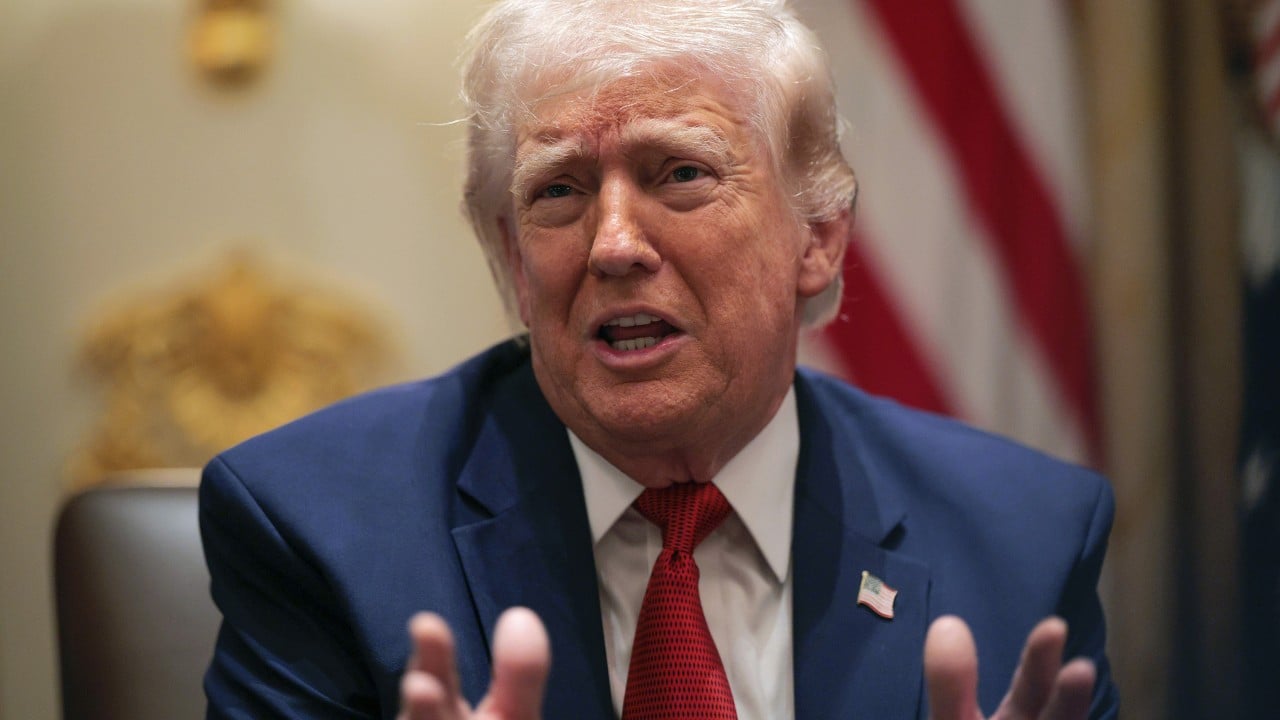
Donald Trump stood before a crowd recently and spun a tale of two worlds. In one, a foreign adversary is suffocating under the weight of economic pressure, gasping for a lifeline. In the other, the American grower is being promised a fresh infusion of cash to survive the fallout of a global game they never asked to play. It is a narrative of leverage and compensation, a balancing act where the scales are tipped by the heavy hand of sanctions and the fickle nature of international diplomacy. You might also find this similar coverage insightful: The $2 Billion Pause and the High Stakes of Silence.
Consider a hypothetical grower named Elias. Elias doesn't study the intricacies of the Joint Comprehensive Plan of Action. He studies the sky and the soil. But when the rhetoric sharpens in the Rose Garden, the price of his soybeans flinches. When the administration tightens the noose on Iranian oil exports, the ripple effect doesn't just stay in the Persian Gulf. It travels through the supply chains, hitting the cost of fertilizer and the appetite of overseas buyers.
The claim is bold. Iran is "begging" to make a deal. To the casual observer, this sounds like the final act of a long-drawn-out siege. The logic is simple: apply enough pressure, and the structure must eventually buckle. By cutting off the financial arteries of a nation, you force a choice between total collapse and total concession. But the reality of the "squeeze" is rarely that clean. Pressure creates heat, and heat has a way of warping everything nearby. As discussed in latest articles by NBC News, the implications are notable.
While the administration signals that the "Maximum Pressure" campaign is reaching its zenith, the collateral damage is being felt at home. Trade wars and geopolitical standoffs have a habit of turning the American farmer into a shock absorber. To mitigate this, a new promise of aid has been floated—a financial cushion to soften the blow of a turbulent global market.
It is a strange irony. The same hand that applies the pressure abroad must reach into the pocket to sustain the industry at home.
Money, however, is a temporary salve for a structural wound. A check from the government can pay a mortgage, but it cannot replace a lost market. Once a trade relationship is severed, it doesn't just grow back when the politics shift. New suppliers emerge. Brazil and Argentina don't wait for American diplomacy to settle; they step into the vacuum. The "aid" being teased is a recognition that the cost of victory in the Middle East is being billed, in part, to the Midwest.
The Iranian perspective, at least the one projected by the White House, is one of desperation. We are told of an economy in freefall, of a leadership looking for an exit ramp. But history suggests that "begging" is a relative term in diplomacy. Often, what looks like a white flag is actually a tactical pause. For the people living in Tehran, the stakes are existential—soaring inflation, a devalued rial, and the daily grind of a sanctioned life.
This is the invisible thread connecting a marketplace in Iran to a grain elevator in Illinois. Both are tethered to the same volatile cord of international power. When the tension on that cord increases, both feel the snap. The rhetoric of "making a deal" suggests a transaction, a simple exchange of behavior for relief. Yet, the price of that deal is being paid in installments by people who have never met.
The promise of new aid for farmers is a recurring theme in this political era. It functions as a bridge. But bridges are only useful if there is a stable shore on the other side. If the "deal" with Iran remains a tease, a flickering light on the horizon that never quite arrives, the bridge simply extends further into the fog.
The farmer’s dilemma is unique. They are the most independent-minded workers in the country, yet they find themselves increasingly dependent on the whims of the executive branch to stay solvent. It creates a cycle of uncertainty. Will there be a deal tomorrow? Will the sanctions be lifted? Will the aid package be enough to cover the loss of a primary export partner?
Questions are the only thing in surplus.
The geopolitical landscape is often described as a series of calculated moves, but for those on the ground, it feels more like a storm. You don't "calculate" a hurricane; you try to survive it. Trump’s assertions of Iranian desperation are designed to project strength and a looming resolution. It is a promise that the hardship has a purpose, that the end is in sight.
But the "end" in international relations is a myth. There are only new chapters.
Even if a deal is struck, the world has changed. The trust that underpins global trade is fragile. When a farmer sees their livelihood used as a chip in a high-stakes poker game, they don't forget the feeling of being on the table. The aid is welcome, certainly. It keeps the lights on. It keeps the bank from calling the note. But it also reinforces the reality that their success is no longer dictated solely by their hard work or the quality of their crop.
It is dictated by the success of a "squeeze."
The quiet of the rural evening is deceptive. Beneath the stillness is the grinding anxiety of a thousand variables out of one’s control. The rhetoric from Washington travels fast, but the recovery of a market moves at a glacial pace. We are told the adversary is on their knees. We are told the help is on the way.
The farmer waits, watching the sky, wondering if the next shift in the wind will bring rain or another decree from a world away.
There is a specific kind of exhaustion that comes from being a spectator in your own life. When the headlines talk about "billions in aid" and "historic deals," it sounds like a triumph. To the person sitting at the kitchen table with a calculator and a pile of invoices, it sounds like a gamble. They are waiting for the moment when the dust on the tractor hood is finally disturbed by the start of a new season, one where the markets are open, the rhetoric is quiet, and the work is enough.
Until then, the squeeze continues.