The Middle East just shifted. If you’ve been watching the headlines from March 21 to March 27, you know the cycle of "tit-for-tat" has officially broken. It's gone. We aren't looking at symbolic posturing anymore. When Israeli jets hit targets near Tehran and Iranian missiles claim lives inside Israel, the old rules of engagement are dead.
You’re probably wondering if this is the start of a full-scale regional war. Honestly, it's already here. The intensity of the strikes over the last week shows a level of precision and aggression we haven't seen in decades. It isn't just about borders. It’s about survival, and both sides are now betting the house.
The Week That Shattered the Status Quo
Between March 21 and March 27, the frequency of exchange reached a fever pitch. Israel didn't just hit outskirts or proxies. They went for the heart of the Iranian military infrastructure in Tehran. These weren't "warning shots." They were surgical strikes designed to dismantle command centers.
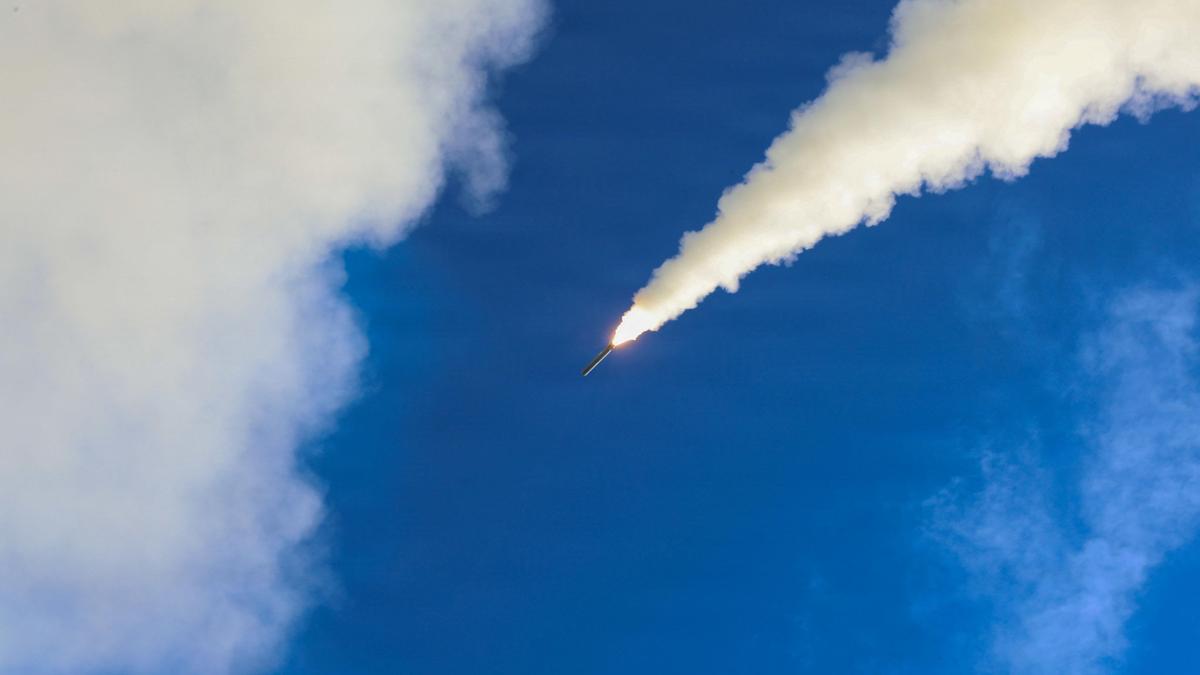
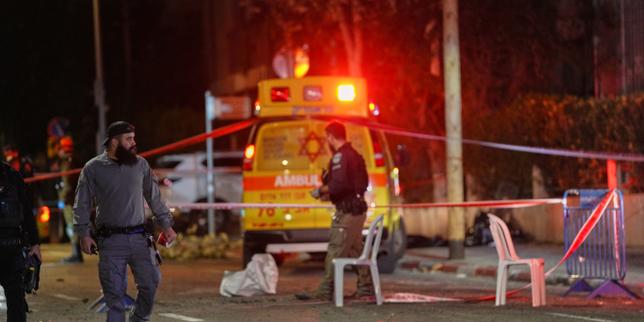
Then came the Iranian response. This wasn't a slow-moving drone swarm easily picked off by defense systems. These were high-velocity missiles. One of them got through. A casualty in Israel. That single death changes the political math for Prime Minister Netanyahu’s cabinet. When an Israeli civilian dies from a direct strike from Iranian soil, the pressure to retaliate becomes an unstoppable force.
I’ve followed these conflicts for years. Usually, there’s a back-channel "off-ramp" where both sides agree to stop before things get too messy. Not this time. The rhetoric coming out of both Tehran and Jerusalem suggests that the "strategic patience" era is over.
Why These Specific Strikes Matter More Than Usual
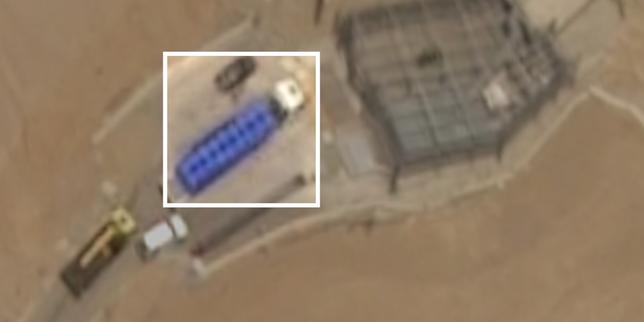
People often think these bombings are all the same. They aren't. If you look at the technical data from the March 24 strikes on Tehran, the targets were specific. We're talking about drone manufacturing plants and IRGC logistics hubs. Israel is trying to blind Iran before a bigger fight happens.
On the flip side, Iran's missile launch on March 26 proved something terrifying. They’re testing the limits of the Arrow and Iron Dome systems. Even the best defense has a saturation point. When you fire enough metal at a target, something eventually hits. That one death in Israel wasn't just a tragedy; it was a proof of concept for Iranian commanders.
The Missile Technology Gap is Closing
Iran’s ballistic program has jumped forward. We saw evidence of maneuverable reentry vehicles this week. Basically, these missiles dance in the air to dodge interceptors. It makes the defense math much harder for Israel and its allies.
- Precision over quantity: Iran used fewer missiles but higher quality ones.
- Intelligence leaks: The fact that Israel knew exactly which buildings in Tehran to hit suggests a massive security breach within the Iranian ranks.
- The civilian cost: Both sides are now hitting closer to populated areas, raising the risk of "accidental" mass casualties.
The Failure of International Diplomacy
Let’s be real. The UN is paralyzed. The United States is trying to keep a lid on things while simultaneously shipping more munitions to the region. It’s a contradiction that isn't working. During the briefings from March 21 to March 27, it became clear that Western powers have almost zero leverage over Tehran right now.
Sanctions have been the go-to tool for years. They’re exhausted. Iran has built a "resistance economy" that, while painful for its citizens, allows the military to keep the lights on and the factories running. You can’t sanction a country into submission when they feel their core existence is at stake.
What Most Media Outlets are Missing
Most reports focus on the explosions. They miss the cyber component. While missiles were flying on March 25, a massive cyberattack hit Iran’s power grid. At the same time, Israeli GPS systems were being spoofed to the point where food delivery apps in Tel Aviv thought their drivers were in Beirut.
This is hybrid warfare. It’s messy, it’s confusing, and it’s designed to make the civilian population feel unsafe even when the bombs aren't falling. The psychological toll of this week is just as heavy as the physical destruction.
The Role of Regional Proxies
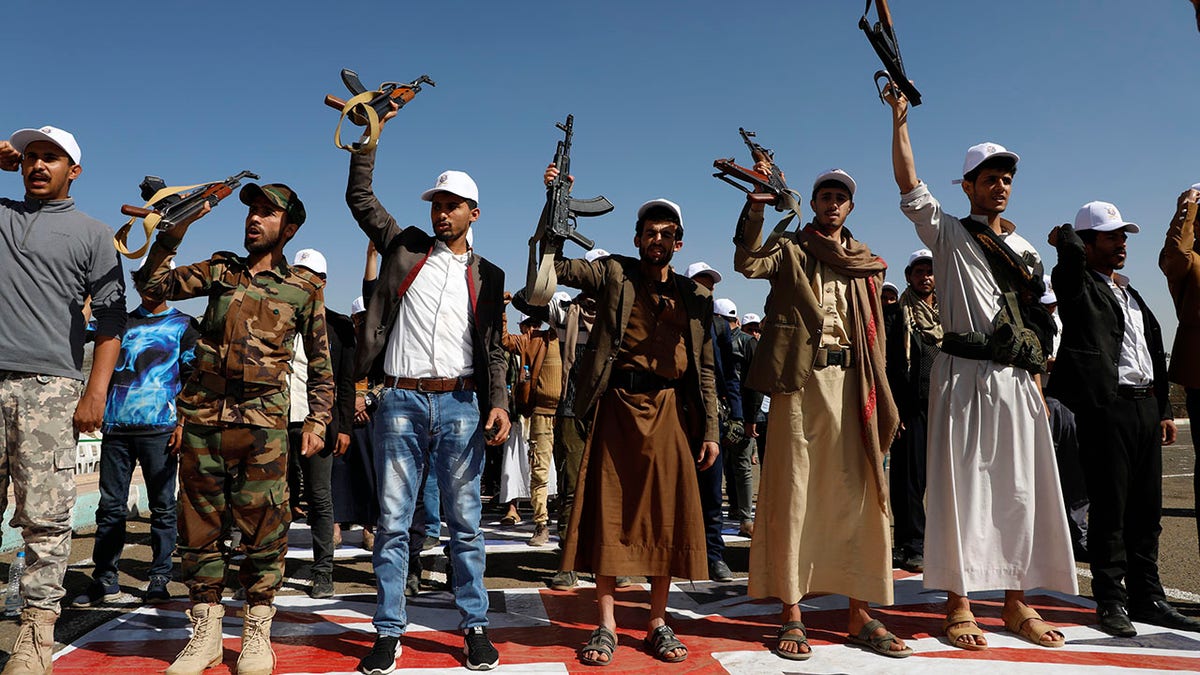
Don't forget the "Ring of Fire" strategy. While Israel focuses on Tehran, they’re still getting peppered from the north and south. Hezbollah and the Houthis aren't just sitting this one out. They’re acting as the distraction, forcing Israel to split its air defense resources. This week showed that Iran can coordinate a multi-front pressure campaign with terrifying efficiency.
The Human Impact Beyond the Headlines
One death in Israel. Dozens of casualties reported in the outskirts of Tehran. Behind those numbers are families whose lives were destroyed in seconds. In Israel, the fear isn't just about the next missile; it’s about the feeling that the sky is no longer a shield. In Iran, the population is caught between a government that refuses to back down and an external enemy that can strike their capital at will.
Inflation in Iran spiked again this week. The rial is tanking. People are panic-buying bread and fuel. This is how wars are felt before the tanks ever roll across a border.
Stop Thinking This Will Just Blow Over
The "cool down" periods we used to see are getting shorter. The intensity is getting higher. If you're looking for a sign that things are returning to normal, you won't find it in the data from March 21 to March 27.
What happens next depends on the internal politics of both nations. Netanyahu is fighting for his political life. The Iranian leadership is trying to project strength to keep domestic dissent at bay. That’s a volatile mix. When two leaders need a war to stay in power, they usually get one.
Keep your eyes on the shipping lanes in the Strait of Hormuz. If that shuts down, this regional scrap becomes a global economic crisis. We saw a brief spike in oil prices on March 26 after the Tehran strikes. That’s just a preview of the "energy shock" that’s coming if this escalates further.
Immediate Steps to Stay Informed
Stop following every single "breaking news" tweet. Most of them are propaganda or unverified clutter. If you want to understand the actual movement of this conflict, track the flight paths of refueling tankers over the Mediterranean and the movement of carrier strike groups.
Pay attention to the official statements from the IDF and the IRGC, but read between the lines. Look for what they don't mention. When Israel stays silent about a strike, it usually means it was a high-value target they don't want to brag about yet. When Iran downplays damage, it means the hit was significant.
Prepare for more volatility in the markets. Gold and oil are going to be your primary indicators of how the "smart money" views the risk of a total war. This isn't just a news story in a far-off land. It's a fundamental shift in the 2026 geopolitical landscape that will affect everything from your gas prices to your digital security.