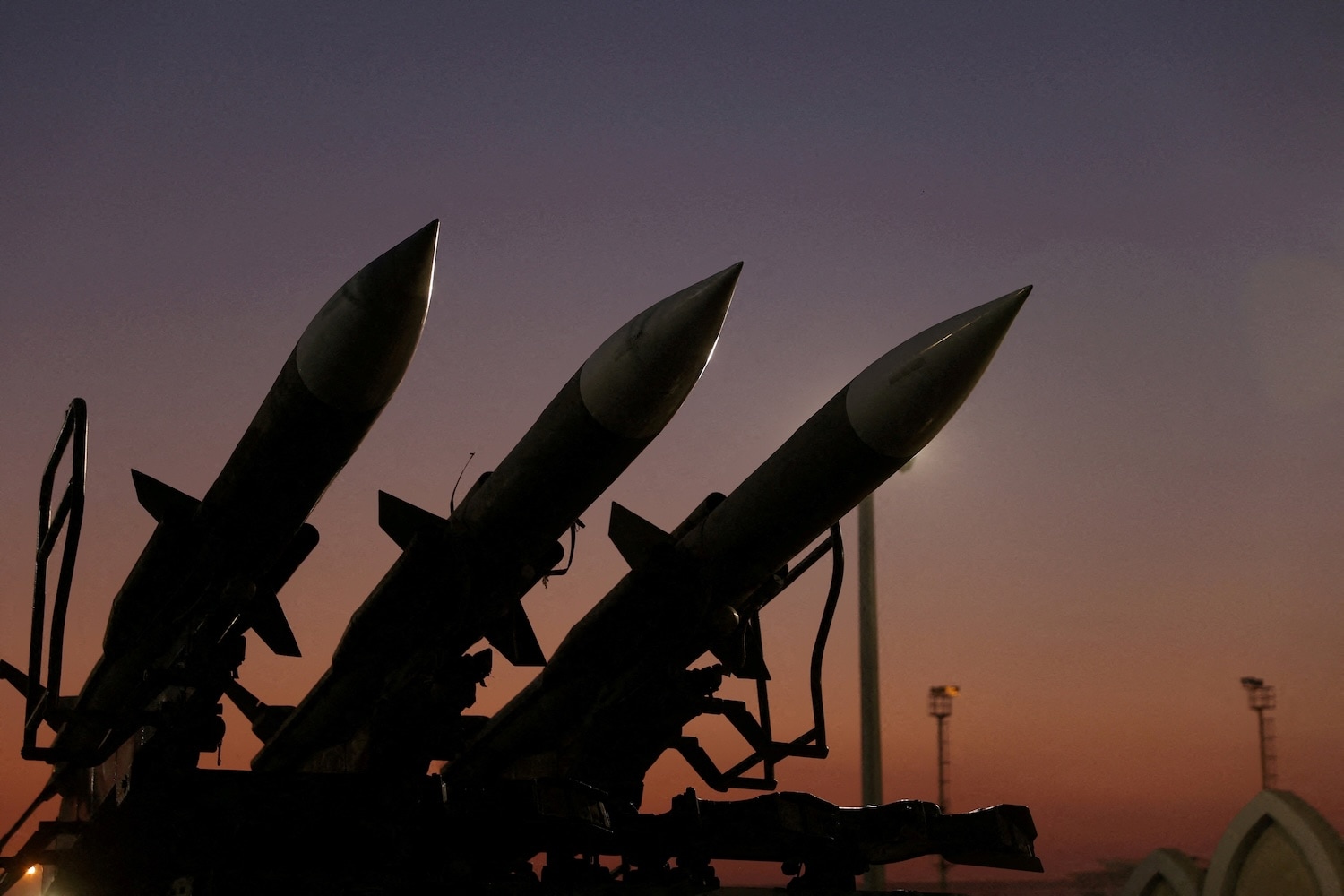
The sirens didn't just wake up the Negev desert this morning. They signaled a massive shift in how the war between Israel and Iran's proxies is going to look from here on out. We’ve seen drones. We’ve seen intercepted rockets from Lebanon. But a ballistic missile fired directly from Yemen into the heart of southern Israel? That’s a whole new level of escalation. The IDF confirmed that the Houthis launched their first long-range missile targeting Israeli territory, triggering alerts across the Negev region and forcing thousands into bomb shelters.
It wasn't a "routine" exchange. This was a statement of intent. For months, the Houthis have been messing with global shipping in the Red Sea, claiming they're doing it for Gaza. Now, they’re bringing the fight directly to Israeli soil. If you think this is just another headline, you’re missing the bigger picture of how Iran is tightening the noose.
The Negev is no longer a safe zone
For a long time, the south of Israel felt somewhat insulated from the heavy barrages hitting the north. Sure, Hamas has its rockets, but the sophisticated, long-range threats were usually expected from Hezbollah. The Houthis changed that math today. The missile traveled over 1,000 miles, crossing several international borders and dodging multiple surveillance layers before Israeli air defenses picked it up.
The IDF’s Arrow defense system eventually intercepted the threat, but the sheer fact that it reached the Negev is what matters. Shrapnel fell near populated areas. People are shaken. This isn't just about the physical damage a single missile can do; it’s about the psychological toll of knowing a threat can come from any direction at any time. Yemen is literally on the other side of the Arabian Peninsula.
How the Houthis got this technology
You don't just build a long-range ballistic missile in a cave in Yemen. This technology has "Tehran" written all over it. We’re talking about the Toofaan or Qader missiles, which are basically rebranded Iranian Ghadr missiles. They have a range of up to 2,000 kilometers. That’s enough to hit anywhere in Israel from Sana'a.
Iran has been shipping these components to the Houthis for years. They've turned a local rebel group into a regional powerhouse capable of challenging a first-world military. It's a low-cost, high-reward strategy for Iran. They get to attack Israel without firing a single shot from their own territory, using the Houthis as a convenient shield.
Why the Arrow system is being pushed to its limit
Israel has the best air defense in the world. Everyone knows about the Iron Dome, but that's for short-range stuff. For missiles coming from Yemen, you need the Arrow 2 and Arrow 3. These systems are designed to hit targets in the stratosphere—sometimes even outside the Earth's atmosphere.
Today’s interception was a success, but no system is 100% effective. When you start seeing "salvo" attacks—where they fire ten or twenty missiles at once—the math gets scary. If one gets through and hits a chemical plant in Haifa or a residential tower in Beersheba, the entire nature of the conflict flips. The IDF is now forced to keep its highest-tier defenses on 24/7 alert for a threat coming from the south, thinning out resources that are desperately needed on the Lebanese border.
The Red Sea distraction is over
For the last few months, the world focused on the Houthis attacking commercial tankers. It was an economic war. By hitting the Negev, they’ve officially entered the kinetic war against the state of Israel. This suggests that the "Ring of Fire" strategy—Iran's plan to surround Israel with armed proxies—is fully operational.
You have Hezbollah in the north, militias in Syria and Iraq to the east, Hamas in the west, and now a very real, very capable long-range threat from the south. It’s a 360-degree battlefield.
The intelligence failure or a calculated risk
Some analysts are asking how a missile this large could be prepped and fired without being hit on the launchpad. The U.S. and U.K. have been bombing Houthi sites for weeks. Clearly, it’s not working. The Houthis are masters of mobile warfare. They hide launchers in civilian infrastructure or deep in the mountains, making them almost impossible to find until the moment of ignition.
The IDF says they tracked the missile throughout its flight. That’s good. But tracking isn't the same as preventing. If the Houthis can keep this up, Israel might have to consider a direct strike on Yemen. That’s a logistical nightmare. Flying F-35s that far requires mid-air refueling and crossing through the airspace of countries that would rather stay out of this mess.
What this means for the average person in the region
If you're living in Beersheba or Dimona, the "Red Alert" isn't a drill anymore. The window of time to get to a shelter when a missile comes from Yemen is longer than it is for a rocket from Gaza, but the stakes are higher. These are massive warheads. We’re not talking about homemade Qassams. These are military-grade explosives designed to level buildings.
The psychological impact of this attack is exactly what the Houthis wanted. They want to show the Israeli public that nowhere is safe. They want to prove that the "mighty" IDF can't protect every inch of the country. Honestly, it’s a terrifying prospect for families who thought they were out of the line of fire.
The international community's weak response
Let’s be real. The West has been toothless here. The "Prosperity Guardian" mission in the Red Sea has been a defensive slog. They’re playing goalie while the Houthis are playing striker. Until there’s a real cost for the Houthis—or their patrons in Iran—this isn't going to stop.
Expect Israel to take matters into its own hands. They’ve shown in the past that they don't rely on anyone else for their survival. If the Negev continues to be a target, expect a massive Israeli response that makes the previous strikes on Hodeidah port look like a warning shot.
The move you should watch for next
Keep a close eye on the maritime activity in the Gulf of Aden. If the Houthis successfully combine a missile strike with a massive drone swarm, it could overwhelm local defenses. That's the nightmare scenario.
Right now, the best thing to do is stay informed through direct military briefings rather than social media rumors. If you have family in southern Israel, make sure they have their "Home Front Command" app updated and their safe rooms cleared out. This isn't a one-off event. It's the start of a new, more dangerous phase of the regional war. The Houthis have crossed the Rubicon, and there’s no going back to the way things were before today's sirens.