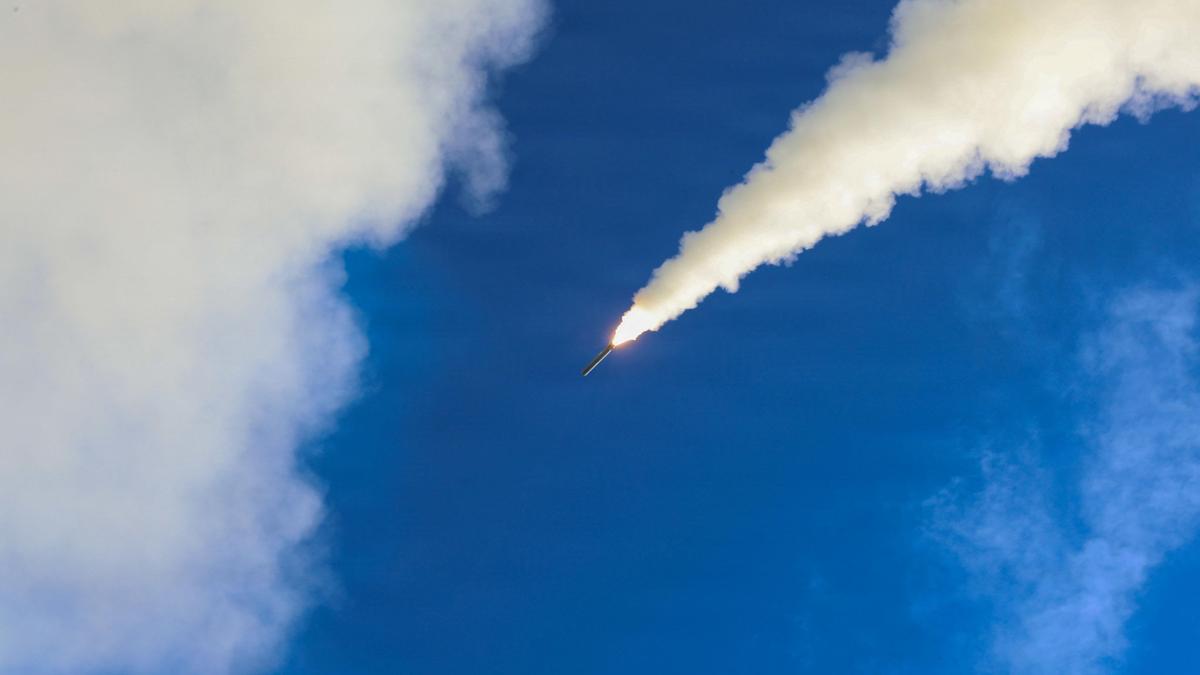
Twelve American service members are currently receiving treatment for injuries following a direct missile strike on a joint military facility in Saudi Arabia. The attack, confirmed by defense officials, originated from Iranian territory and marks a significant departure from the usual proxy-led skirmishes that define the region. For years, the unspoken rule of engagement in the Middle East was plausible deniability. Tehran used local militias; Washington responded with targeted strikes on warehouses. That era ended this morning. This was not a localized accident or a stray round. It was a calculated demonstration of ballistic precision that bypassed sophisticated air defense systems to hit a high-value target.
The Pentagon is currently assessing the damage to the site’s infrastructure, but the human cost is already clear. Of the twelve wounded, three are in critical condition and have been evacuated to Landstuhl Regional Medical Center in Germany. The remaining nine are being treated for traumatic brain injuries and shrapnel wounds on-site. This incident puts the White House in a corner it has desperately tried to avoid for the last eighteen months. If the administration responds with force, it risks a full-scale regional war that could choke the global energy supply. If it does not, it signals to every adversary in the Gulf that American troops are fair game.
A Failure of Deterrence
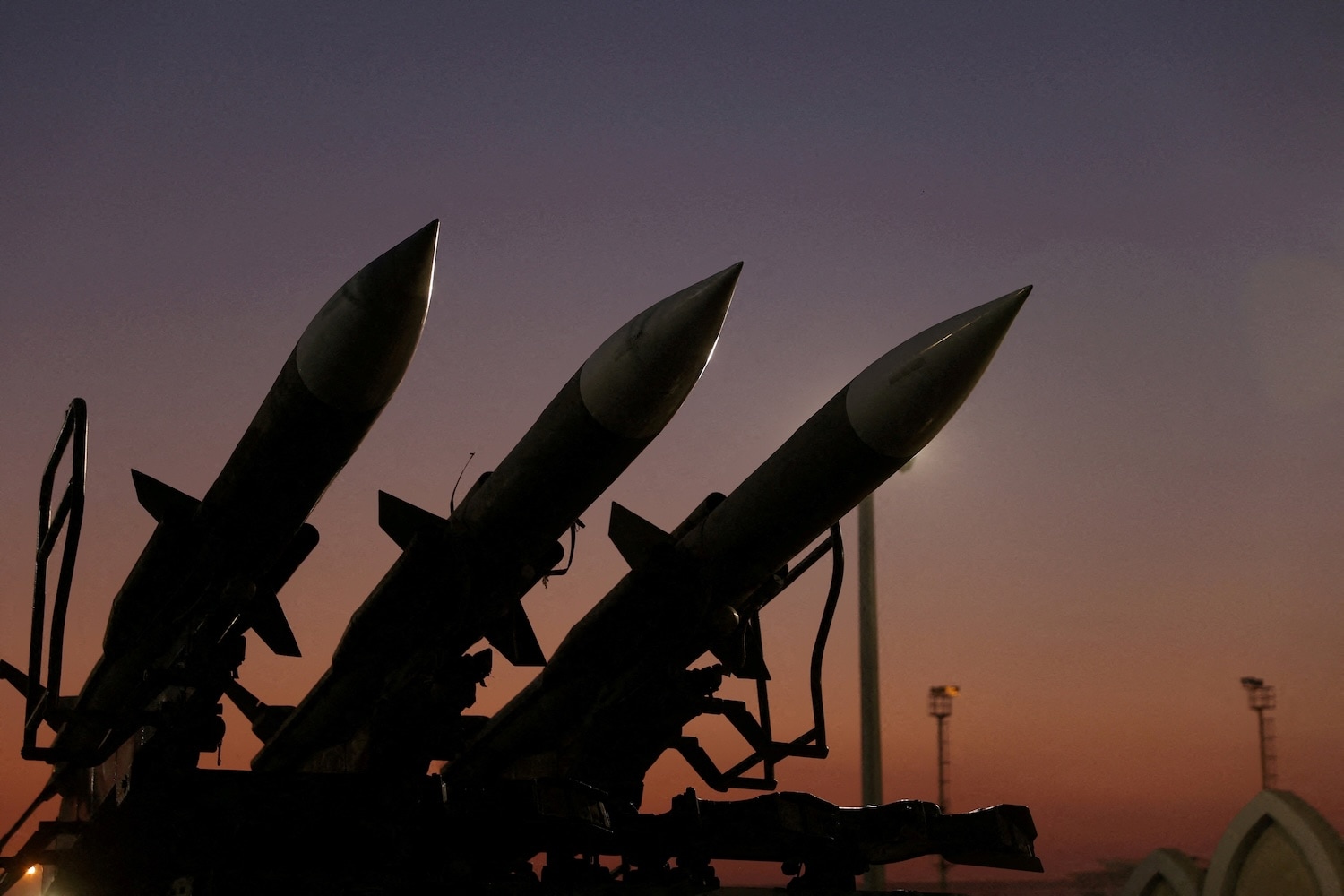
We have to look at the hardware to understand why this happened. This wasn’t a "suicide drone" or a crudely assembled rocket. Initial forensic evidence suggests the use of a medium-range ballistic missile with a maneuverable reentry vehicle. This tech is designed specifically to confuse Patriot missile batteries. For decades, the U.S. has sold the Saudi government on the idea that American-made defense grids create an impenetrable "dome." That narrative crumbled today.
The failure is not just technical; it is strategic. Washington has spent the last year attempting to pivot its focus toward the Pacific, thinning out its presence in the Middle East to counter Chinese influence. This "light footprint" strategy was predicated on the idea that Iran was deterred by economic sanctions. Today’s strike proves that sanctions are a blunt instrument in a sharp-object fight. Tehran has watched the U.S. withdraw assets and concluded that the risk of a massive American counter-offensive is lower than it has been in twenty years.
The Myth of the Proxy Buffer
For too long, intelligence briefings have leaned on the comfort of the "proxy" label. We told ourselves that Iran would never risk a direct launch because the cost would be suicide. By attributing every previous attack to the Houthis in Yemen or militias in Iraq, the U.S. gave itself an out. It allowed diplomats to keep talking while the bombs were falling.
This attack was launched from the Iranian mainland. There is no middleman to blame this time. By skipping the proxy phase, Iran is testing whether the U.S. is truly willing to strike Iranian soil. This is a high-stakes poker game where the chips are the lives of young men and women stationed in the desert. The "gray zone" of conflict has been bleached white by the heat of this explosion.
Infrastructure Vulnerabilities in the Kingdom
The specific base targeted is a logistics hub. It isn't just a barracks; it is a node for regional intelligence sharing and aerial refueling. By hitting this specific coordinate, the attackers showed they have intimate knowledge of the base layout. This suggests a massive intelligence failure on the ground. Whether through satellite surveillance or human assets, the precision of the strike indicates that the target was painted long before the missile left the rail.
Saudi Arabia’s reliance on U.S. protection is now under the microscope. If the most advanced military on earth cannot protect its own troops on a Saudi base, the Saudi royal family has to wonder what chance they have when the missiles are aimed at their oil refineries or desalination plants. We are seeing a crisis of confidence that extends far beyond the casualty list.
The Economic Aftermath
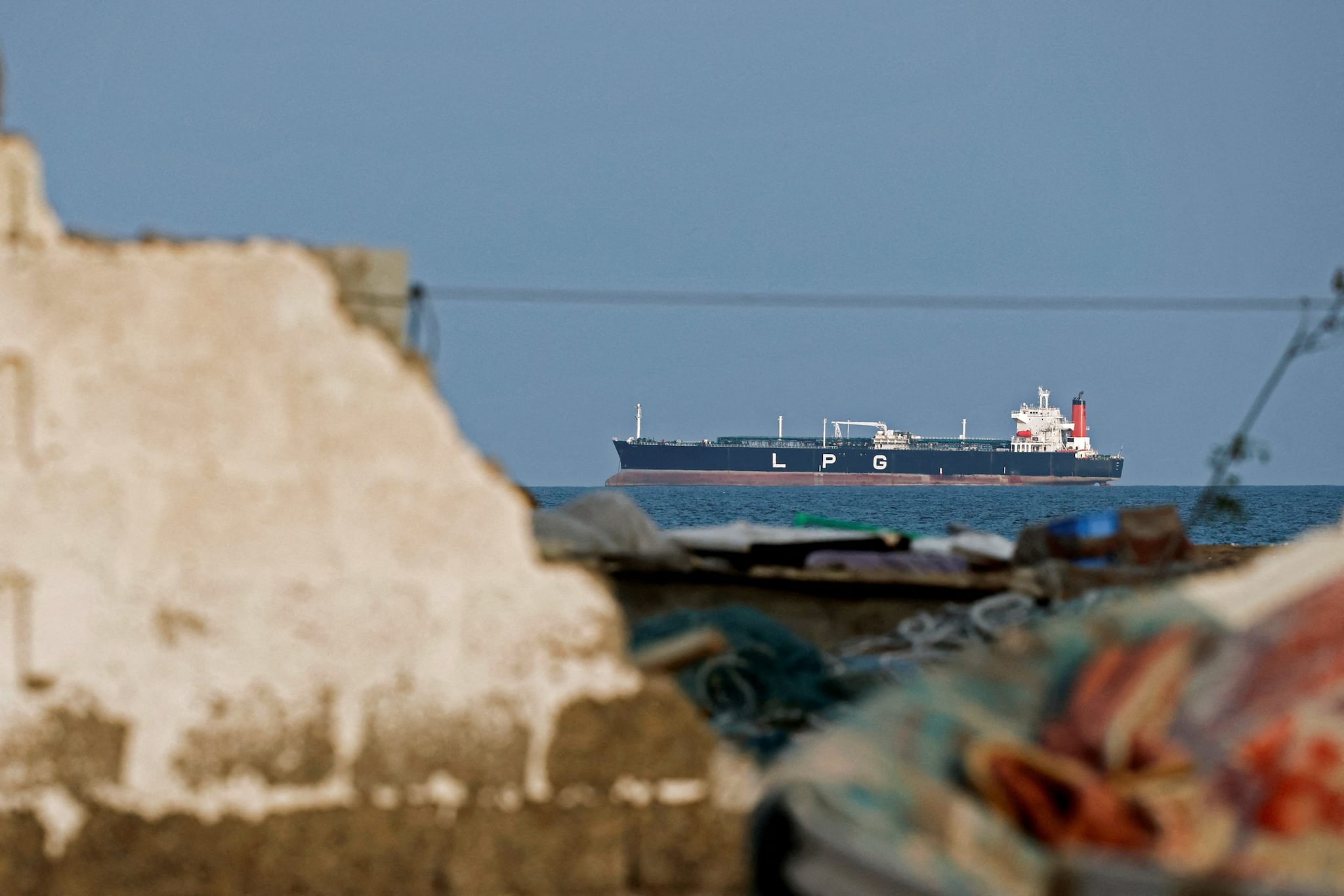
Oil markets reacted instantly. Brent crude spiked 4% within an hour of the news breaking. Traders are not just worried about the strike itself; they are worried about the Strait of Hormuz. Iran has proven it can hit a stationary target on land with pinpoint accuracy. Moving tankers are a much larger, slower target.
If this escalation continues, we aren't just looking at higher prices at the pump. We are looking at a total disruption of the maritime insurance market. No shipping company will send a billion-dollar vessel into the Gulf if the sky is falling. The economic pressure on the U.S. to "do something" is mounting, not just from hawks in Congress, but from global markets demanding stability.
Why Diplomacy is Stuttering
There is a faction in the State Department that still believes a grand bargain is possible. They argue that this strike is a "desperation move" by a regime under pressure. That view is dangerously naive. This wasn't a move made in desperation; it was a move made in confidence. You don't launch a direct strike on a U.S. facility unless you believe the retaliation will be manageable.
The diplomatic channels that used to exist—the backchannels through Oman or Switzerland—are fraying. When communication breaks down, miscalculation becomes the default. The U.S. is currently operating with a depleted diplomatic corps in the region, and many of the veterans who understood the nuances of Persian power dynamics have retired or been sidelined. We are flying blind into a storm.
The Problem with Proportionality
The doctrine of "proportional response" is a favorite of armchair generals. The idea is simple: if they hit a base, you hit a base. But in the modern Middle East, proportionality is a trap. If the U.S. responds with a mirror-image strike, it validates the cycle of violence without ending it. It becomes a game of tag played with million-dollar missiles.
To actually stop these attacks, the U.S. would have to escalate to a level that the current political climate in Washington simply won't support. There is no appetite for a new war. The public is tired, the budget is stretched, and the military is struggling with recruitment. Iran knows this. They are counting on the fact that the U.S. is too distracted by internal politics and the war in Ukraine to commit to a new front.
The Intelligence Gap
How did a missile battery get into position, prep for launch, and fire without being detected? We have satellites that can read a license plate from orbit and signals intelligence that monitors every cell phone in the region. Yet, twelve troops are wounded because we didn't see it coming.
This points to a shift in Iranian operational security. They are learning how to hide their movements from our sensors. They are using hardened silos, mobile launchers, and sophisticated camouflage. While we were focused on cyber warfare and "soft power," they were perfecting the art of the kinetic strike.
The Shadow of 1983
Military historians are already drawing parallels to the Beirut barracks bombing. While the scale is different, the psychological impact is the same. It is a reminder that being a superpower doesn't make you invulnerable. It makes you a target. Every time an American soldier is wounded in a "non-combat" zone, it erodes the public's trust in the mission.
The troops in Saudi Arabia are there to provide stability, but their presence is now the very thing causing instability. It is a paradox that the Pentagon has never been able to solve. We stay to keep the peace, but our staying gives the enemy a reason to fight.
Hard Truths for the Pentagon
The U.S. military is currently configured for a type of war that isn't happening. We have massive carrier strike groups that are useless against a missile launched from a hidden mountain site 500 miles away. We have stealth jets that can't stop a drone made of plywood and lawnmower engines.
Today’s attack should be a wake-up call for the defense industry. We are spending billions on "legacy systems" while our adversaries are investing in cheap, asymmetrical tools that work. The Patriot system is excellent at what it was designed to do—intercepting Soviet-era Scuds. It is clearly struggling against the current generation of Iranian ballistics.
The Next 48 Hours
The window for a "cool-down" is closing. If the U.S. does not respond within the next 48 hours, it will be seen as an admission of weakness. If it responds too harshly, the regional alliances we have spent decades building could evaporate overnight. The Saudi government is already distancing itself, terrified that a U.S. counter-strike will lead to Iranian missiles raining down on Riyadh.
The wounded troops are the immediate concern, but the long-term worry is the precedent. If a direct strike from Iranian soil results in nothing more than a strongly worded letter and a fresh round of sanctions, the deterrent is dead.
The administration needs to decide if it still wants to be the primary power broker in the Middle East. If the answer is yes, the cost of that seat at the table just went up exponentially. If the answer is no, then it is time to start the conversation about what an American exit looks like and who fills the vacuum. There are no easy exits, and as today proved, there are no safe entries.
Ask the Pentagon for a timeline on the deployment of redirected THAAD batteries to the eastern provinces.