The diplomatic back-and-forth between Washington and Tehran has reached a predictable yet dangerous bottleneck. Iran has officially delivered its response to a 15-point U.S. proposal designed to lower tensions, labeling the American terms as one-sided and unfair while simultaneously signaling that the door for negotiation remains ajar. This specific moment in the geopolitical timeline matters because it exposes the widening gap between what the U.S. considers "reasonable concessions" and what the Iranian leadership views as "sovereignty-ending demands."
The 15-point framework proposed by the United States was intended to be a roadmap for stability. Instead, it has become a point of friction. Tehran’s rejection of the current terms is not a flat refusal to talk, but a tactical maneuver to reset the baseline of the conversation. The Iranian leadership is betting that the U.S. will blink first under the pressure of regional instability, while Washington is banking on economic sanctions to eventually force a more submissive signature.
The Friction in the 15 Point Plan
At the heart of the disagreement lies the fundamental structure of the American proposal. For the U.S. State Department, the 15 points represent a comprehensive approach to regional security, covering everything from nuclear enrichment levels to the support of proxy groups. For Tehran, this list is seen as a "shopping list of surrenders" that offers little in the way of immediate, verifiable economic relief.
The Iranian response highlights a core grievance: the sequence of events. The U.S. often demands behavioral changes before lifting sanctions. Iran demands the lifting of sanctions as a prerequisite for behavioral changes. This is the classic "chicken and egg" problem of Middle Eastern diplomacy, but with much higher stakes. When Iran calls the proposal one-sided, they are specifically pointing to the lack of "early harvest" economic benefits that could stabilize their domestic currency and appease a restless population.
Behind the One Sided Label
Calling a diplomatic proposal unfair is a standard part of the Iranian playbook, but the reasoning this time around has shifted. There is a growing sense in Tehran that the U.S. administration is too constrained by domestic politics to ever deliver on its promises. They look at the 2018 withdrawal from the nuclear deal as a permanent stain on American credibility.
If a deal can be shredded by the next person in the Oval Office, why should Iran commit to long-term restrictions today? This skepticism is the invisible 16th point in every negotiation. The Iranian leadership is no longer just looking for a deal; they are looking for a guarantee that the U.S. cannot provide. This creates a vacuum where mistrust grows, and every point in a proposal is scrutinized for hidden traps.
The Nuclear Threshold and Regional Leverage
Iran’s leverage comes from its proximity to nuclear "breakout" capability. By maintaining a high level of uranium enrichment, they force the U.S. to stay at the table. At the same time, their regional influence through various allied groups gives them a second lever to pull. The 15-point plan attempts to address both, but Tehran argues that the U.S. is asking for the keys to the kingdom without offering a seat at the table.
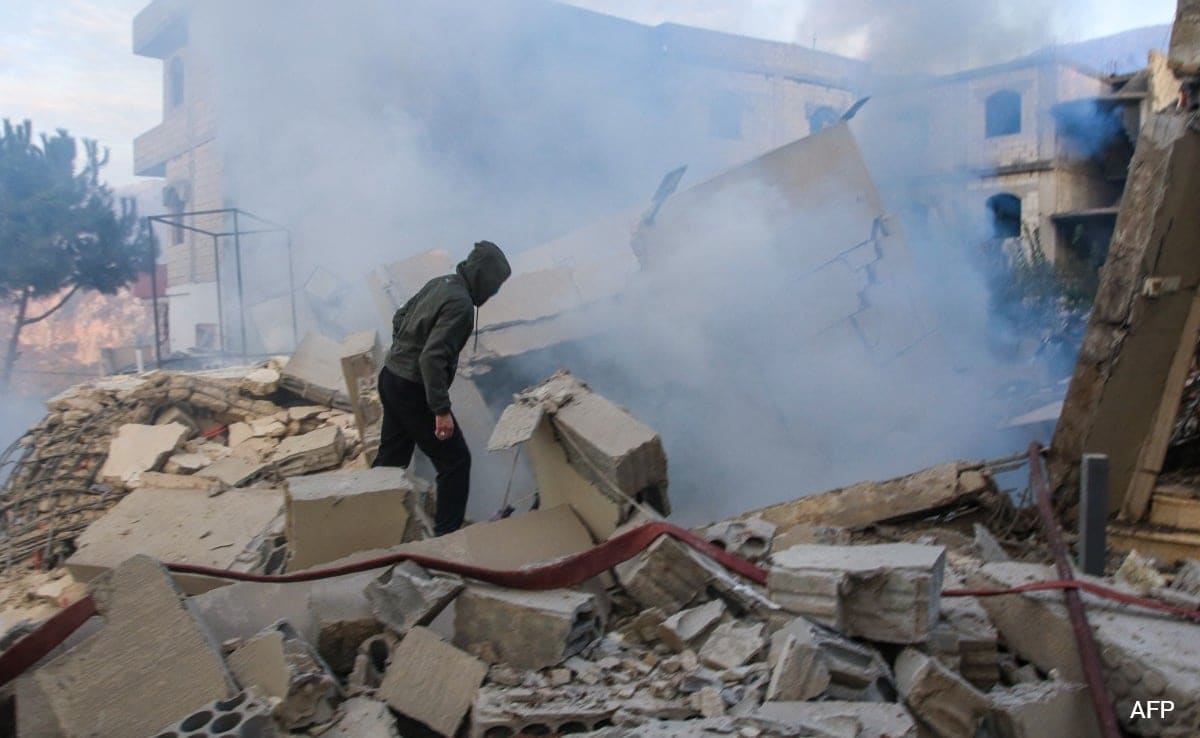
The regional security points are particularly contentious. Washington wants a cessation of support for groups in Yemen, Lebanon, and Iraq. Tehran views these groups as its primary "forward defense" against an American-backed regional order. To give them up without a massive shift in the regional security architecture would be, from their perspective, an act of strategic suicide.
Why the Door Remains Open
Despite the harsh rhetoric, the fact that Iran responded formally is a signal in itself. If they wanted to end the process, they would have ignored the proposal entirely or increased enrichment to 90 percent as a provocative reply. By keeping the "diplomacy door open," they are engaging in a calculated waiting game.
Tehran knows that the U.S. is currently distracted by multiple global conflicts. They also know that an all-out war in the Middle East is the last thing any American administration wants during an election cycle or a period of economic uncertainty. This gives Iran the confidence to push back on terms they find unfavorable, believing that the "final offer" hasn't actually been made yet.
The Role of Mediators
Third-party nations are working overtime in the shadows. Countries like Qatar and Oman have become the essential post offices of this conflict, translating the needs of one side into the language of the other. These mediators are trying to find the "sweet spot" where a small amount of sanctions relief can be traded for a small, verifiable freeze in Iranian activities.
The problem is that "small" is no longer enough for either side. The U.S. needs a big win to justify any softening on Iran to a skeptical Congress. Iran needs a big win to justify any concessions to its own hardliners and military establishment.
The Economic Reality Check
Inside Iran, the economy is the real ticking clock. The rial has seen massive devaluations, and the cost of basic goods continues to climb. The leadership in Tehran is aware that they cannot survive indefinitely on a "resistance economy." They need access to global banking and oil markets.
However, they are also students of history. They believe that the moment they show weakness, the pressure will only increase. Their response to the 15-point plan is an attempt to project strength despite their economic fragility. They are telling Washington: "We are hurting, but we are not desperate enough to take a bad deal."
The Flaw in the American Approach
The U.S. strategy often treats Iran as a monolithic entity that can be squeezed into submission. In reality, the Iranian political system is a complex web of competing power centers. There are the pragmatists who want trade and the hardliners who view any contact with the West as a betrayal.
By offering a 15-point plan that leans heavily on demands and lightly on incentives, the U.S. inadvertently strengthens the hand of the hardliners. It allows them to point to the proposal as evidence that the West is not interested in a fair partnership, but in regime change by a thousand cuts. A more effective strategy would require a more nuanced understanding of these internal dynamics, offering targeted incentives that empower those within the system who actually want to de-escalate.
The Missing Piece of the Puzzle
What is often missing from these high-level proposals is a clear vision of what a "normalized" Iran looks like in the eyes of the West. If the 15 points were all met tomorrow, would sanctions truly vanish? Would Iran be welcomed back into the global financial fold? The lack of a clear, believable "End State" makes the road to get there feel like a path to nowhere for the Iranian negotiators.
Without a credible "Yes," no amount of "No" from the U.S. will change the trajectory of Iranian policy. The 15-point plan is a list of chores; it is not yet a vision for a shared future.
Tactical Shifts in the Gulf
While the diplomats argue over text, the situation on the ground continues to evolve. We are seeing a shift in how Iran exerts pressure. Instead of direct confrontations, there is a focus on "gray zone" activities that are difficult to attribute or respond to without starting a full-scale war.
This tactical evolution makes the 15-point plan feel outdated even as it is being discussed. How do you enforce a "de-escalation" when the methods of escalation are becoming more subtle and technological? Cyber warfare, drone technology, and maritime interference are the new frontiers that the current proposal only skims.
The Credibility Gap
The most significant barrier to any deal is the lack of trust. It is a cliché in diplomacy, but here it is a physical wall. The U.S. suspects Iran of using negotiations to buy time for its nuclear program. Iran suspects the U.S. of using negotiations to weaken the country for an eventual invasion or internal collapse.
This mutual suspicion turns every word of a 15-point proposal into a potential weapon. When the U.S. asks for "transparency," Iran hears "espionage." When Iran asks for "guarantees," the U.S. hears "unreasonable demands."
The Way Forward
If de-escalation is the goal, the 15-point plan must evolve from a list of demands into a sequenced framework of mutual actions. The "all or nothing" approach has failed for decades. A more successful path would involve small, synchronized steps that build a modicum of trust.
This could start with something as simple as a moratorium on certain types of rhetoric in exchange for a temporary easing of sanctions on humanitarian goods. It isn't flashy, and it won't make for a "Grand Bargain" headline, but it is the only way to prevent the door that is currently "ajar" from slamming shut.
The Iranian response has laid the cards on the table. They have signaled that the current price is too high, but they are still at the shop. The next move belongs to Washington. Will they stick to a rigid 15-point list that has already been rejected, or will they find a way to repackage their demands into something that doesn't look like a surrender?
The world is watching the clock. Every day that passes without a breakthrough is a day that the shadow of conflict grows longer across the region. Diplomacy is often described as the art of the possible, but right now, it feels like the art of avoiding the inevitable.
Monitor the upcoming regional summits in the Middle East for any signs of a shift in the Iranian delegation's tone, as these smaller forums often reveal more than the official letters sent to Washington.