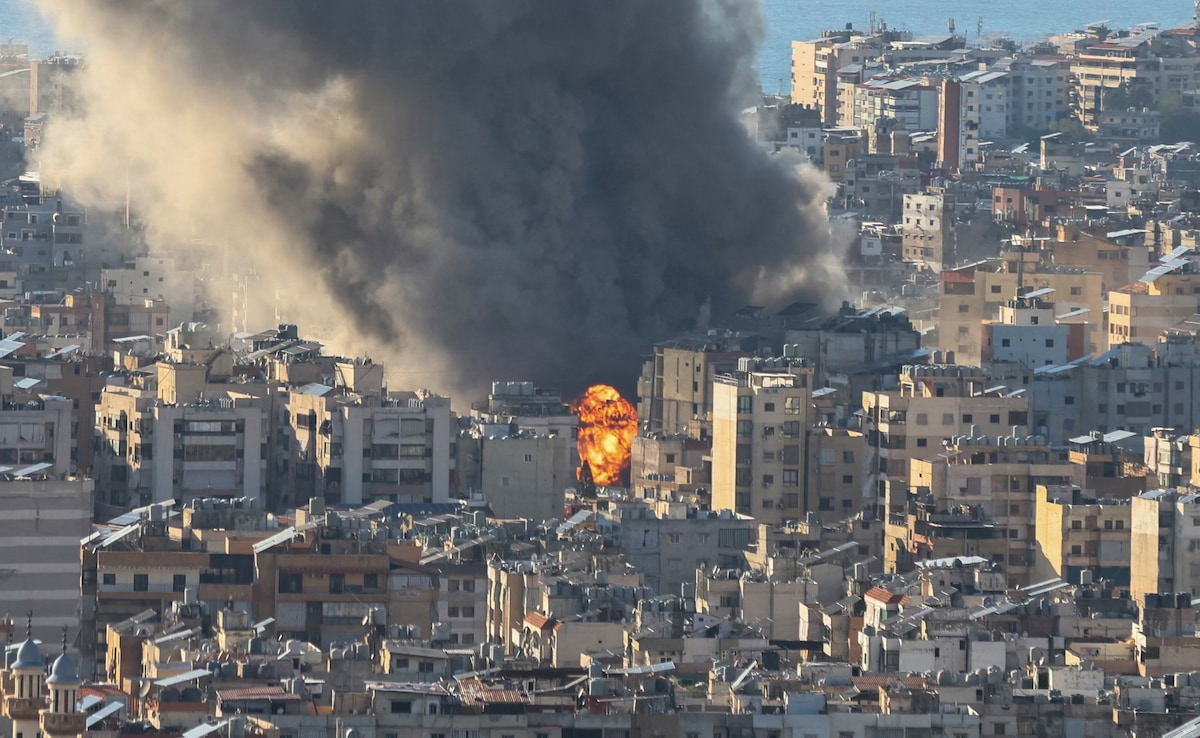
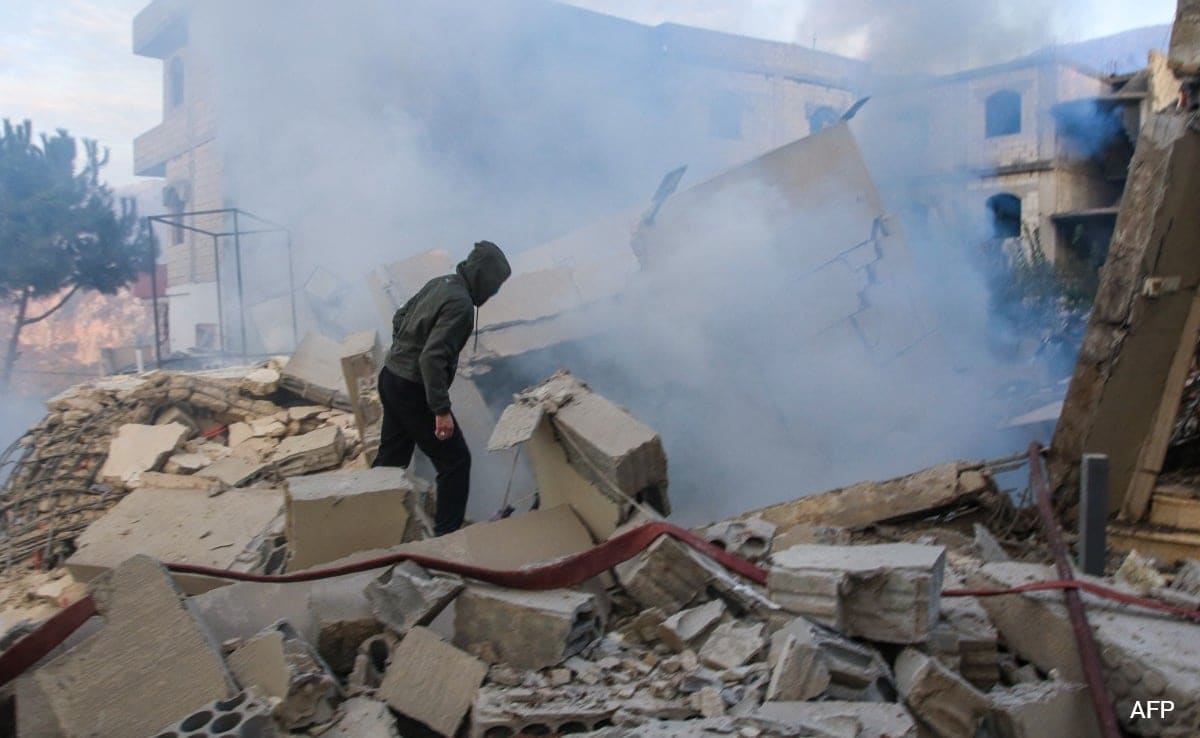
If you've been watching the news lately, you've seen the headlines. There are rumors that Russia is shipping attack drones, food, and high-level satellite data to Iran. The Kremlin, predictably, called these reports "fake news." But when you look at the actual movement of ships in the Caspian Sea and the sudden spike in Iranian strike precision, the "fake news" defense starts to feel pretty thin.
Russia and Iran aren't just neighbors anymore; they're becoming a single, integrated military and economic unit. This isn't about two countries occasionally helping each other out. It's a survival pact. With both nations buried under a mountain of Western sanctions, they've realized that the only way to stay afloat is to build their own closed-loop economy—an "Axis of Evasion" that doesn't need a single US dollar to function.
What's actually in those crates
According to intelligence reports from the Financial Times and Wall Street Journal this March, the cooperation has moved far beyond words. We're talking about a multi-layered exchange that covers three specific areas: military tech, intelligence, and basic survival.
Attack drones and the reverse flow
For the last few years, the world watched Iran send Shahed drones to Russia. Now, the roles are reversing. Russia is reportedly sending its own domestically produced versions of these drones back to Tehran. Why? Because the Russians have spent two years "battle-testing" this tech in Ukraine. They've figured out how to make these drones more resistant to electronic jamming and how to use them in massive "swarm" attacks that can overwhelm even sophisticated air defenses.
Zelensky recently noted that Ukrainian intelligence has seen "100 percent" confirmation of Russian-made parts in drones used by Iran. It's a full-circle moment. Russia is no longer just the customer; they're the tech consultant helping Iran sharpen its teeth.
The eye in the sky
The most dangerous part of this deal isn't a physical drone. It's the data. Russia has been sharing satellite imagery from its Aerospace Forces to help Iran track US and Israeli movements in the Middle East.
Think about it: Iran has traditionally struggled to hit moving targets or specific radar installations with high precision. But this month, we've seen Iranian strikes hitting US radar systems in Jordan and the UAE with terrifying accuracy. That doesn't happen by accident. It happens when you have a Russian satellite giving you real-time coordinates.
Wheat for weapons
You can't fight a war if your people are starving. Iran is currently facing massive food security risks, and Russia happens to be the world's largest wheat exporter. Between July 2025 and January 2026, Iran's imports of Russian wheat tripled to 1.7 million tonnes.
Russia isn't just selling this food; they're using it as a diplomatic currency. By securing Iran's bread supply, Moscow ensures that the regime in Tehran stays stable enough to keep the regional conflict going, which in turn keeps global oil prices high—benefiting Russia's bottom line.
The Caspian Sea bypass
How is all this stuff moving without being intercepted? Look at the Caspian Sea. It's basically a private lake for Russia and Iran. While the US Navy can patrol the Persian Gulf, they have zero presence in the Caspian.
The "North-South Corridor" is the secret weapon here. It's a network of ship, rail, and road routes that moves goods from Russia through the Caspian and down into Iran. Recent Israeli strikes on the Iranian port of Bandar Anzali show just how much this route matters. Russia was "deeply outraged" by those strikes because they hit the very artery that keeps their "Axis of Evasion" alive.
Why the Kremlin's denial matters
Dmitry Peskov can call these reports "fake news" all he wants, but the denial is part of the strategy. By officially denying military aid, Russia keeps a tiny window open for future negotiations with the West. It's a classic "plausible deniability" play. They want to use their influence over Iran as a bargaining chip.
There have even been reports that Russia offered to stop sharing intelligence with Iran if the US stopped supporting Ukraine. The US rejected it, of course, but it shows you exactly how Moscow views this relationship. Iran is a tool, a shield, and a trade partner all rolled into one.
The immediate impact on you
You might think this is just high-level geopolitics, but it's hitting your wallet. Iran's move to choke off the Strait of Hormuz—potentially with Russian tactical advice—has already spiked Brent crude prices by 10%.
If you're looking for what to do next, keep your eyes on the shipping data in the Caspian and the price of urea (fertilizer). Iran is the fourth-largest exporter of urea, and Russia is a massive player too. If this alliance tightens, the cost of growing food globally is going to go through the roof.
Watch the "North-South Corridor" developments. That’s where the real power shift is happening. If that route becomes fully modernized, the Western sanctions regime as we know it is essentially dead. Start looking at companies involved in regional logistics and energy infrastructure in Central Asia; they’re the ones positioned to profit from this shadow economy.