The pearl-clutching over Pete Hegseth’s broker allegedly eyeing a defense fund before the Iran-Israel escalation is a masterclass in economic ignorance. Media outlets are racing to paint this as a "smoking gun" of insider trading or ethical bankruptcy. They are wrong. Worse, they are boring.
If you are a high-net-worth individual—or simply a person with a functioning retirement account—and your broker wasn’t looking at defense hedges as the Middle East caught fire, you should fire them immediately. This isn’t a conspiracy. It’s a fiduciary duty.
The "lazy consensus" suggests that Hegseth, given his proximity to power and military background, possessed some secret playbook. The reality? Anyone with a Twitter feed and a basic understanding of geopolitics could see the collision course. To suggest that a professional money manager reacting to global instability is "suspicious" is to admit you don't understand how capital flows.
The Myth of the Crystal Ball
Critics want you to believe that "buying the dip" in defense stocks requires a secret phone call from the Pentagon. It doesn't. It requires reading the room.
In the weeks leading up to the Iranian strike, the signs were everywhere. We weren't looking at a "black swan" event; we were looking at a neon-lit locomotive.
- Intelligence Leakage: U.S. intelligence officials were screaming from the rooftops that an attack was "imminent." This wasn't classified data whispered in dark alleys; it was the lead story on every major news network.
- Market Positioning: Institutional investors routinely rotate into aerospace and defense (A&D) during periods of heightened kinetic risk.
- The Hegseth Factor: Being a public figure with a military background doesn't give you a magical edge; it gives you a target on your back for every routine financial move you make.
I have watched fund managers move billions based on nothing more than a change in rhetoric from a State Department spokesperson. To act as though Hegseth’s broker was some rogue agent of chaos is a fundamental misunderstanding of Portfolio Theory. When risk spikes, you buy protection. Defense funds are the insurance policy of the geopolitical world.
Why "Conflict of Interest" is a Lazy Label
The term "conflict of interest" has become a catch-all for "I don't like this person's politics."
Let’s dismantle the premise. If a Secretary of Defense nominee owns shares in a broad defense ETF (Exchange Traded Fund), is he incentivized to start a war? If you believe that, you’ve never looked at the math of a diversified fund.
A single conflict doesn't move the needle for a diversified ETF enough to justify the career suicide of a botched foreign policy. The profit-to-risk ratio is absurdly low. If Hegseth wanted to "get rich" off a war, there are a thousand more efficient, less visible ways to do it than through a tracked broker-managed account.
The real conflict of interest in Washington isn't the guy buying a defense fund; it's the career bureaucrats who spend thirty years awarding contracts to companies they eventually join as "consultants." But that’s legal, so the media ignores it. They’d rather obsess over a broker doing his job during a crisis.
The Professionalism of Hedging
Imagine a scenario where a broker sees a massive escalation in the Middle East and decides to sit on his hands because his client might one day hold a cabinet position. That broker is failing.
In the world of wealth management, we talk about Tail Risk.
$$Risk = Probability \times Impact$$
The probability of an Iran-Israel exchange was hitting 80% in the days prior. The impact on global markets is historically volatile. Moving into defense isn't a "bet on war"; it is a "hedge against volatility."
When the S&P 500 wobbles because of regional instability, defense stocks often trade inversely or at least provide a floor. This is Finance 101. To frame it as a scandal is to punish a professional for being competent.
The Ethics of the Invisible Hand
We have developed a bizarre standard for public servants where we expect them to be financially lobotomized. We want them to have no skin in the game, no understanding of markets, and no personal wealth—or at least, wealth that is buried in a coffee can in the backyard.
This "purity test" ensures that the only people who can hold office are those who are either too poor to have an investment strategy or too rich to care about one. By attacking Hegseth for a broker's routine inquiry, we are reinforcing a system where "blind trusts" are used as a veil for actual corruption while transparent, managed accounts are treated as evidence of a crime.
Let's be brutally honest:
- The timing was logical. Every major desk in Manhattan was looking at the same tickers.
- The asset class was appropriate. Defense is the standard play for geopolitical tension.
- The person is the proxy. If this were a different nominee from a different party, this would be a "smart money" story in the financial pages, not a "scandal" in the headlines.
Stop Asking the Wrong Questions
The media is asking: "Did Pete Hegseth try to profit from war?"
The real question is: "Why are we surprised that a man who has spent his life in the military and media ecosystem understands the value of a defense hedge?"
If we want leaders who understand the mechanics of the world they are tasked with managing, we have to stop fainting every time their financial advisors act with a modicum of foresight. The outrage is a performance. The "report" is a distraction.
The defense sector isn't a playground for ghouls; it’s a massive, complex engine of the American economy. If you own an S&P 500 index fund, news flash: you are a defense investor too. You own Lockheed Martin. You own Raytheon. You own Boeing.
Are you "looking to buy" before an attack? Technically, every time your 401(k) contribution hits, you are.
Where is the report on your ethics?
The attempt to decouple Hegseth's personal finances from the reality of global events is a move toward a more ignorant, less capable leadership class. We should be more worried about a Defense Secretary who doesn't understand how markets react to missiles.
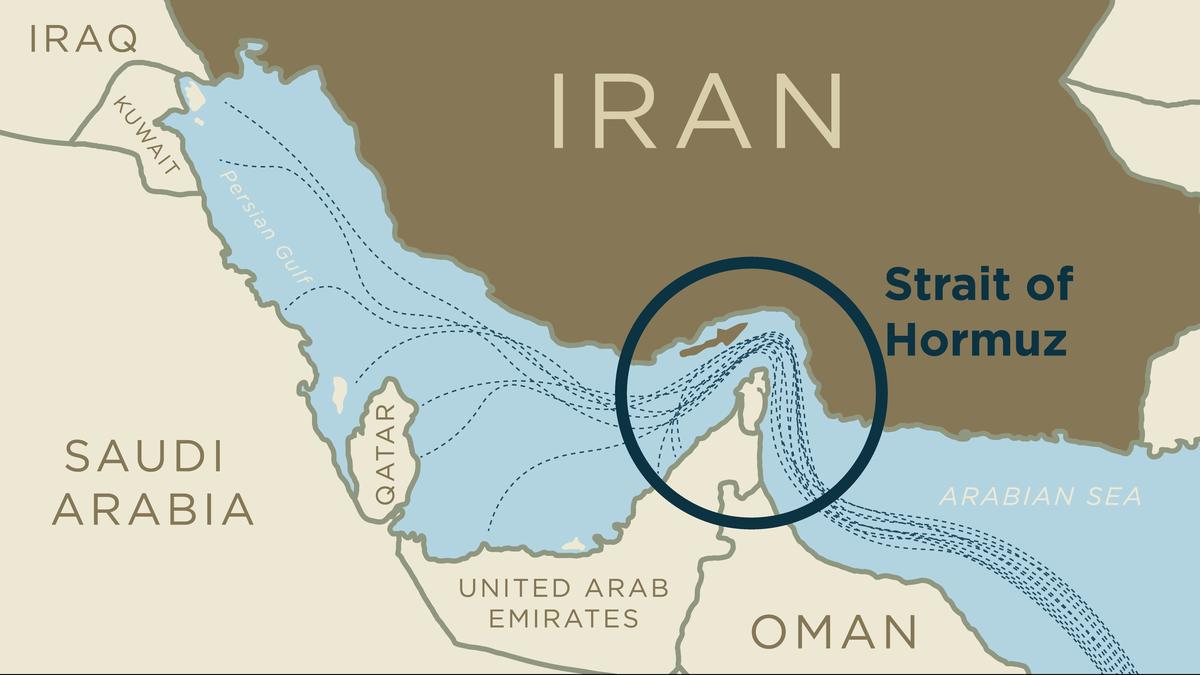
Stop looking for a villain in a spreadsheet and start looking at the map. The broker was right. The market was right. The critics are just loud.
Shut down the outrage machine and open a brokerage account. You might actually learn how the world works.