The arrest of Chhabi Rijal isn't just another headline in a messy political cycle. It’s a seismic shift for a country where high-ranking officials usually enjoy a lifetime of "get out of jail free" cards. On Tuesday morning, police picked up the former Chief District Officer (CDO) of Kathmandu from his residence, marking a brutal reality check for the old guard.
Rijal didn't just hold a desk job. As the CDO during the explosive Gen Z protests of September 2025, he was the man who signed the orders. When security forces opened fire on teenagers and university students in New Baneshwar, those bullets didn't just appear out of nowhere. They were the result of administrative decisions made in quiet offices while the streets outside were screaming for change.
Accountability is finally knocking on the door
For decades, Nepal’s bureaucracy operated under a cloak of "superior orders." If a minister said jump, the CDO asked how high. But the arrest of Rijal, following closely on the heels of former Prime Minister KP Sharma Oli and former Home Minister Ramesh Lekhak, suggests that the "I was just following orders" defense is dead.
The Karki Commission, a high-level probe formed to investigate the September bloodshed, didn't mince words. It pointed directly at Rijal’s role in the crackdown that left 76 people dead. Most of those victims weren't seasoned political agitators. They were kids in school uniforms, frustrated by a sudden social media ban and a government that seemed more interested in protecting its own pockets than the country's future.
The paper trail that led to Subidhanagar
Police didn't just grab Rijal because of the protests. The investigation has peeled back layers of what looks like deep-seated institutional rot. Before he was the Kathmandu CDO, Rijal headed the Administration Division at the Home Ministry.
The Commission for the Investigation of Abuse of Authority (CIAA) has been digging into his past, finding more than just questionable protest management. We're talking about:
- Allegations of "acting against professional ethics" while assigning lucrative immigration posts.
- Names found in private diaries and records linking him to a web of suspicious financial activities.
- Collusion with high-level aides to former Home Minister Ramesh Lekhak.
It's a classic case of how power in Kathmandu often works—or used to work. You play ball with the politicians, you get the choice postings, and in return, you do the dirty work when the public gets too loud. Only this time, the public didn't go home.
Breaking the culture of impunity
What makes this arrest particularly punchy is the timing. It’s happening under the new government led by Balen Shah, who basically rode a wave of youth anger straight into the Prime Minister's office. Balen’s first cabinet meeting wasn't about ribbons or speeches; it was about implementing the Karki Commission report.
Honestly, it’s about time. Nepal has a long, tragic history of "transitional justice" that never actually transitions into anything. The 2006 pro-democracy movement had its own commissions, but the big fish always swam away. By arresting a sitting CDO—the literal face of state authority in the capital—the current administration is sending a message: the uniform isn't a shield anymore.
The legal cliffhanger
Rijal is currently facing heat under Section 182 of the National Penal Code. This section covers causing death through negligent acts. It’s not just a slap on the wrist; we’re looking at potential prison time and fines.
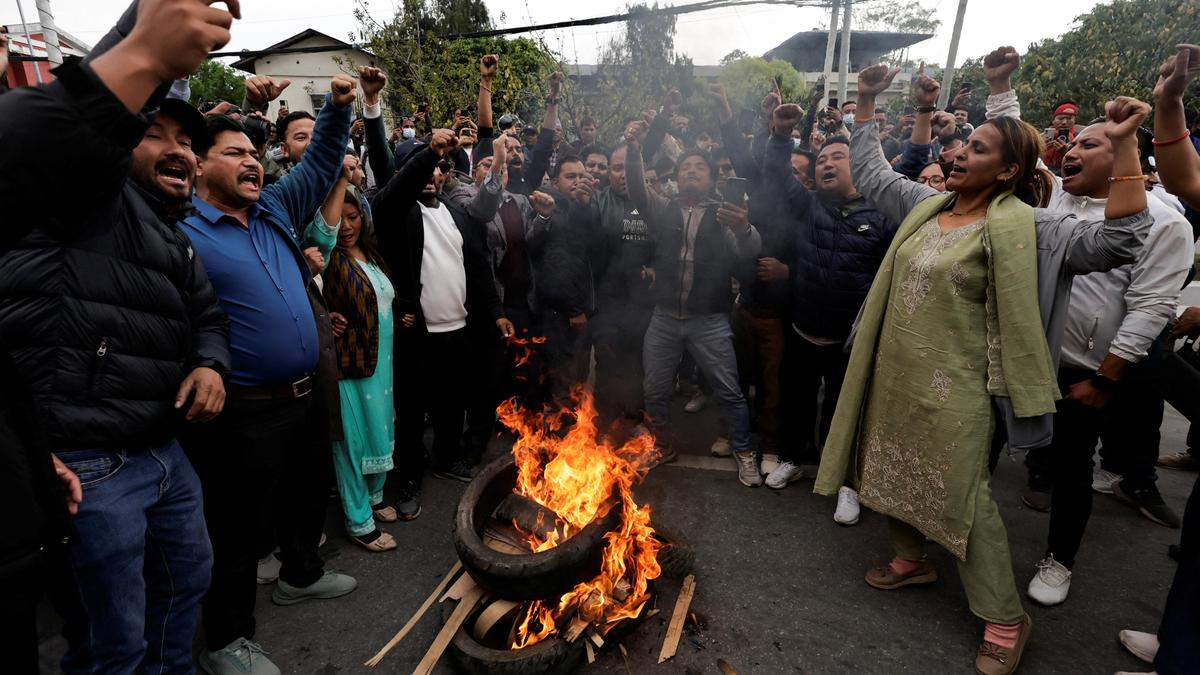
The defense is already scrambling. Supporters of the former PM and his allies are calling these arrests "vindictive" and "politically motivated." They’re burning tires in the streets and filing habeas corpus petitions faster than you can keep track of. But the evidence from the 900-page report is hard to ignore. Autopsies showed that most victims were shot in the head or chest. That’s not "crowd control." That’s a targeted strike.
A new precedent for the bureaucracy
If you're a civil servant in Nepal right now, you’re probably looking at your signature stamp with a bit more hesitation today. The arrest of a former Kathmandu CDO changes the risk calculation for every administrator in the country.
In the past, the CDO was the king of the district, wielding almost unchecked power over law and order. Today, Chhabi Rijal is in a police van. This shift is vital if Nepal ever wants to move past its cycle of violent crackdowns. It forces the bureaucracy to weigh the legality of a minister's "request" against the very real possibility of ending up in a cell.
What happens next
The legal battle is going to be long and incredibly loud. You can expect the Supreme Court to be the main stage for this drama over the next few months.
If you're following this story, here’s what you need to keep an eye on:
- The Remand Extensions: Watch how long the court allows the police to keep these high-profile figures in custody. It’ll tell you a lot about the judicial appetite for real reform.
- The Secondary Arrests: Rijal wasn't the only one named. The report points to the Home Secretary and heads of the intelligence agencies. If they go down too, the house of cards is truly falling.
- Public Reaction: While Gen Z is cheering, the old party loyalists are digging in. The stability of the Balen Shah government depends on whether they can turn these arrests into convictions without sparking a civil war.
The era of "ordered" violence in Nepal has hit a wall. Whether that wall holds depends on what happens in the Kathmandu District Court this week. Stop waiting for the old guard to change their ways—they won't. The only thing that changes the system is the fear that, eventually, someone will come for the person who signed the order.
If you want to support the process, stay informed on the specific findings of the Karki Commission. Don't let the noise of "political vendettas" drown out the names of the 76 people who aren't here to see justice served. Keep the pressure on for a transparent trial; it's the only way to make sure Rijal isn't the last official held to account.