The mainstream media is obsessed with a ghost story. They want you to believe we are witnessing a "canal grab" straight out of a 19th-century colonial playbook. On one side, you have the standard Western hand-wringing about China "weaponizing" maritime logistics. On the other, you have Beijing’s flat denials, painting themselves as mere humble merchants of global trade.
Both sides are lying to you.
The narrative that China is trying to "seize" the Panama Canal ignores a brutal, modern reality: You don’t need to own the dirt to control the flow. In fact, owning the dirt is a liability. While Washington and Beijing trade barbs over terminal concessions and ship inspections, they are missing the shift from physical geography to digital infrastructure.
The Myth of the Physical Grab
Stop looking at the locks. Start looking at the ledger.
The "competitor" take on this—that China is retaliating against Panamanian-flagged vessels or that the U.S. is "grabbing" the canal back—is amateur hour. It treats the Panama Canal as a static trophy. In reality, the Canal is a massive, aging machine that requires constant, billion-dollar reinvestment just to stay relevant in a world of melting Arctic routes and massive land-bridge rail projects.
China isn't interested in the headache of canal maintenance. They are interested in the dependency.
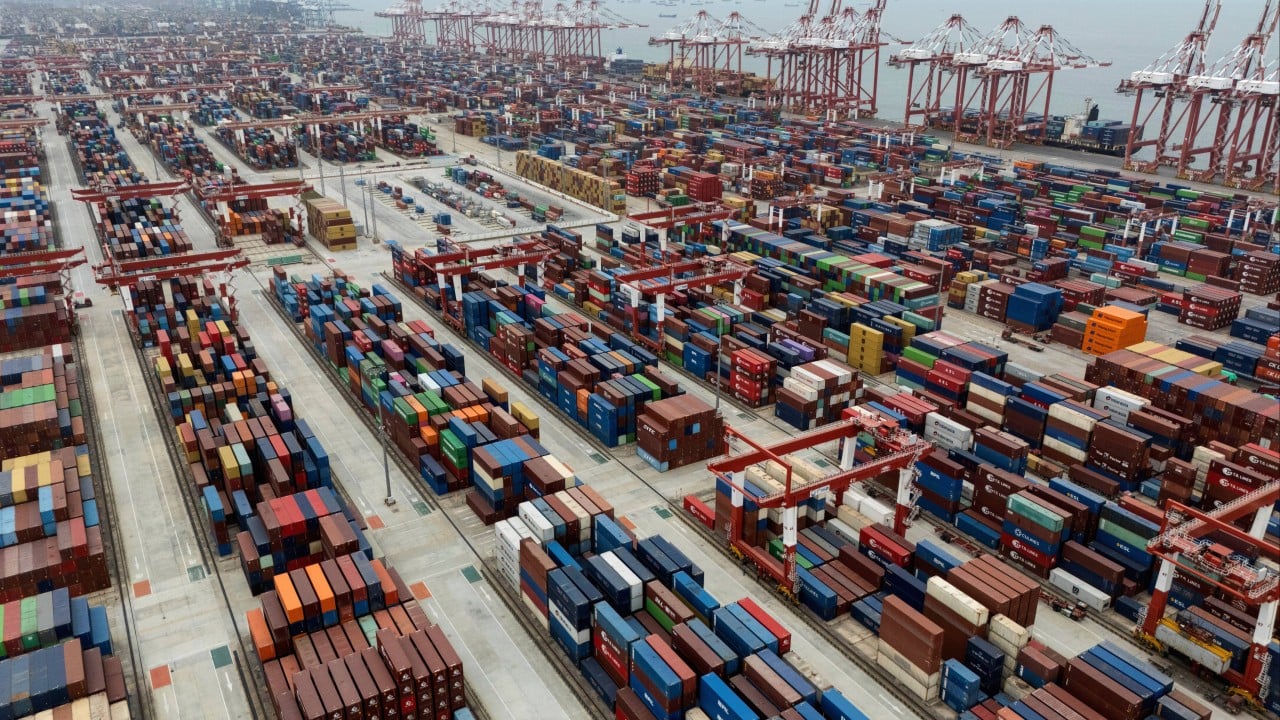
By embedding Chinese state-linked companies like Landbridge Group or Hutchison Ports into the terminal operations, they aren't "grabbing" the canal; they are becoming the canal’s landlord. If you own the ports at both ends, the water in the middle is just a driveway. Washington's panic about a "grab" is a decade late. The influence isn't coming via a military coup or a flag-planting ceremony. It’s coming through the software that manages the cranes and the debt that financed the expansion.
Why Panama Is Actually a Liability
I have watched nations sink billions into "strategic" assets only to find they’ve bought a noose. Panama is currently facing a water crisis that threatens the very viability of the canal. Low water levels in Lake Gatun mean fewer transits and lighter loads.
If China were "grabbing" the canal, they would be buying into a depreciating asset plagued by climate instability. That’s not how Beijing operates. They prefer to let the host nation carry the environmental and operational risk while they extract the data and the transit priority.
The real tension isn't about "retaliation" against Panama ships. It’s about the Digital Silk Road.
When a ship passes through a port managed by a Chinese entity, every byte of data—cargo manifests, crew IDs, origin-destination pings—flows through servers that don’t sit in Panama City. This is the "hidden" canal. While the U.S. State Department worries about physical access, the real war is being won in the cloud.
The Illusion of Neutrality
Panama prides itself on being the "Great Connection," a neutral ground for global commerce. This is a fairy tale.
In logistics, neutrality is just a vacuum waiting to be filled by the highest bidder. When the U.S. handed over the canal in 1999, it created a power void that "market forces" were supposed to fill. But there is no such thing as a "free market" in global maritime chokepoints. There are only state-subsidized giants and everyone else.
- Logic Check: If China were truly retaliating against Panama, they would stop using the canal. They won't. They account for a massive chunk of the canal's revenue.
- The Reality: They are "squeezing" the margins. By slowing down inspections or creating administrative friction for non-aligned vessels, they signal power without firing a shot.
The Washington Delusion
The U.S. accusation of a "canal grab" is a projection of its own historical guilt. Washington spent the better part of a century treating Panama as a subsidiary. Now, it sees China using a more sophisticated version of the same playbook and labels it "aggression."
But the U.S. lacks the tools to compete. You cannot "freedom of navigation" your way out of a commercial contract. While the U.S. Navy sails through the South China Sea to prove a point, Chinese companies are signing 25-year leases on the very piers the U.S. would need to dock at in a crisis.
The U.S. is playing Risk; China is playing Monopoly. In Monopoly, you don't win by having the biggest army. You win by making it too expensive for your opponent to stay on the board.
The Counter-Intuitive Truth About Maritime Power
If you want to understand the future of the Panama Canal, stop reading geopolitical whitepapers. Start reading maritime insurance contracts and port automation specs.
The real "grab" is happening in standardization.
If the entire logistics chain—from the 5G networks in the port to the automated tugboats—is built on Chinese technical standards, the physical "ownership" of the canal becomes irrelevant. If Panama tries to pivot back toward Washington, they find that their entire economy is now "incompatible" with the systems of their largest customer.
This isn't retaliation. It’s vendor lock-in on a planetary scale.
The Failure of "People Also Ask" Logic
Most people ask: "Is China taking over the Panama Canal?"
The answer is: "No, they are making the Canal's independence a financial impossibility."
Most people ask: "Will the U.S. intervene?"
The answer is: "With what? A memo?"
The U.S. has no state-owned shipping giant. it has no global port operator that can match the scale of COSCO. The "status quo" is a slow-motion exit of Western influence from the backbone of global trade, masked by spicy rhetoric and "denials" that mean nothing.
Stop Looking for a Smoking Gun
You’re waiting for a moment of "retaliation" or a specific "grab" event to justify the headlines. It won't happen that way. There is no smoking gun in a commercial takeover; there are only signed checks and "mutually beneficial" infrastructure projects.
Panama is not the prize. It is the laboratory. It is where the world is learning that in the 21st century, sovereignty is something you sell in exchange for a modern port and a debt-restructuring agreement.
If you think this is about ships being "denied" transit, you're missing the forest for the trees. This is about who owns the OS that runs the world. And right now, Panama is just an app running on someone else’s hardware.
Burn the old maps. The lines that matter aren't drawn in the dirt of the isthmus; they are coded into the logistics software that decides which ship gets to move and which ship waits in the harbor until it goes bankrupt.
Stop asking if the canal is being grabbed. Start asking if the canal even matters when the ports at both ends have already been sold.
Go find a new chokepoint to worry about. This one is already decided.