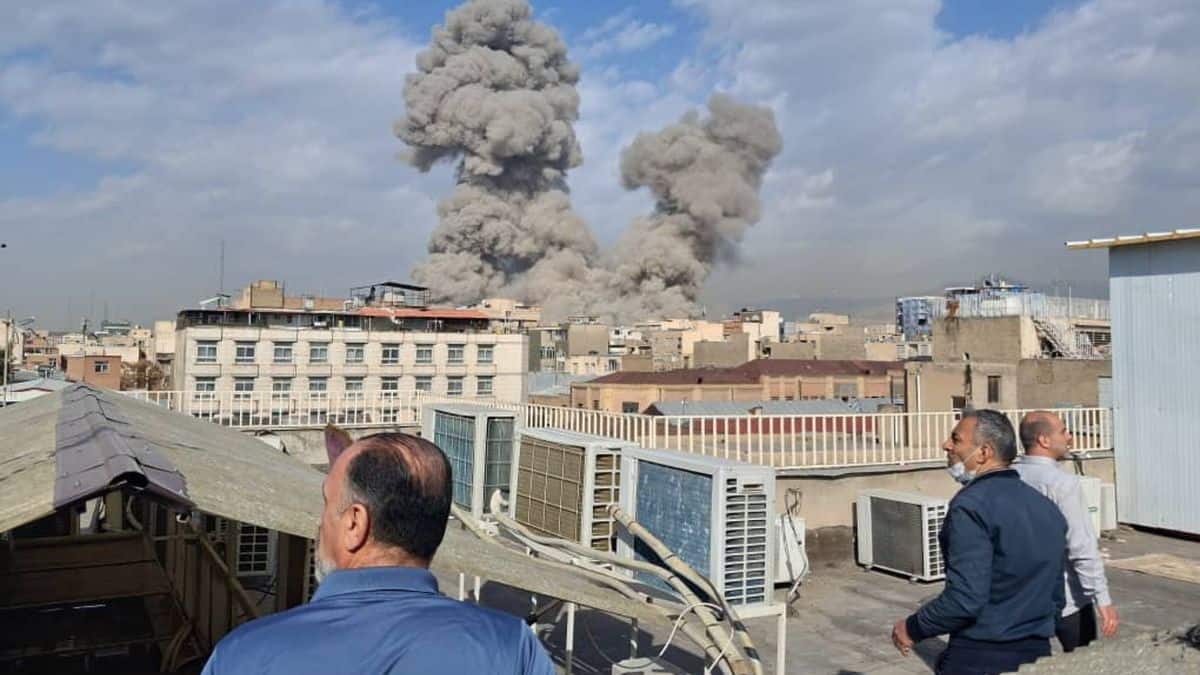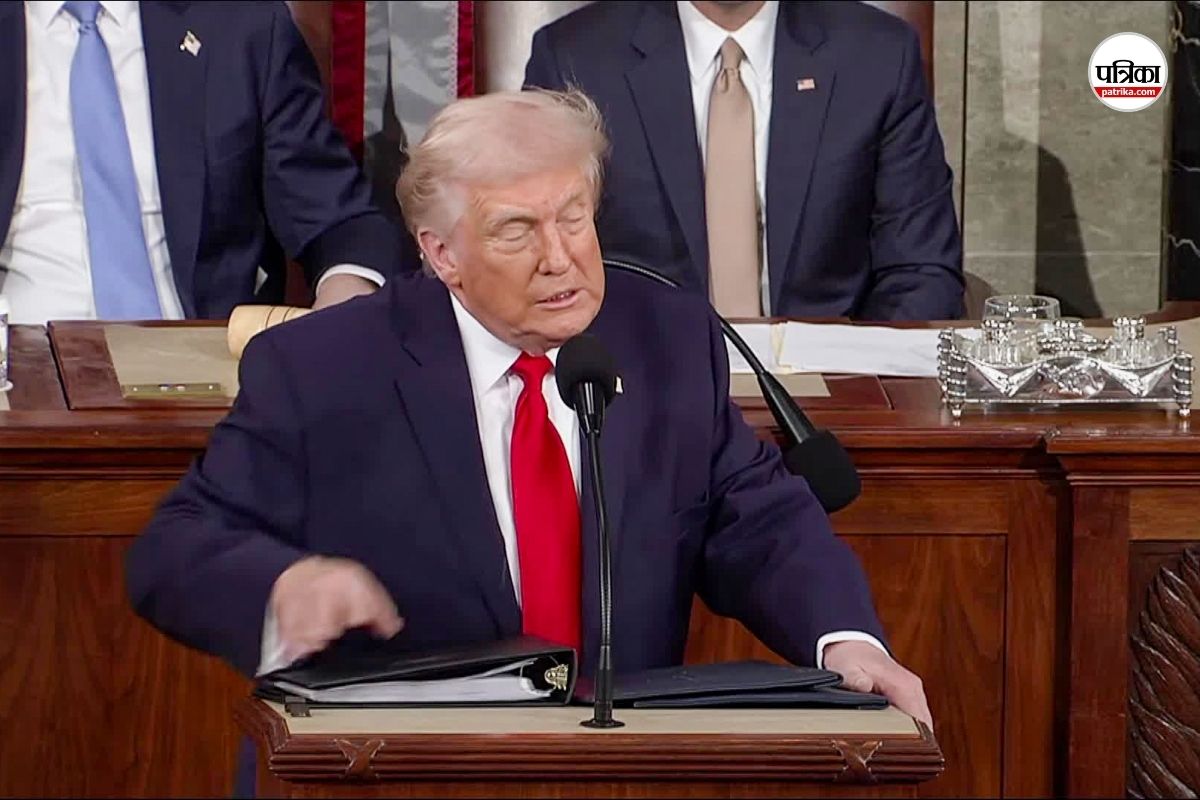
The skies over Tehran are no longer Iranian. Five days into Operation Epic Fury, a combined U.S. and Israeli air campaign has systematically dismantled the Islamic Republic’s command structure, killed its Supreme Leader, and left the world’s energy markets in a state of paralysis. President Donald Trump, speaking from the White House, has made his stance clear: the window for diplomacy is closed. "They want to talk. I said: Too Late!" he posted, signaling that the goal is no longer containment, but a fundamental collapse of the current regime.
The campaign began in the early hours of February 28, 2026. What was initially framed as a "pre-emptive strike" to neutralize an imminent nuclear threat has rapidly evolved into a scorched-earth operation against the Islamic Revolutionary Guard Corps (IRGC). With over 4,000 munitions dropped and the Iranian navy largely resting on the floor of the Persian Gulf, the tactical reality has shifted from border skirmishes to a full-scale decapitation strike.
The Decapitation of the Old Guard
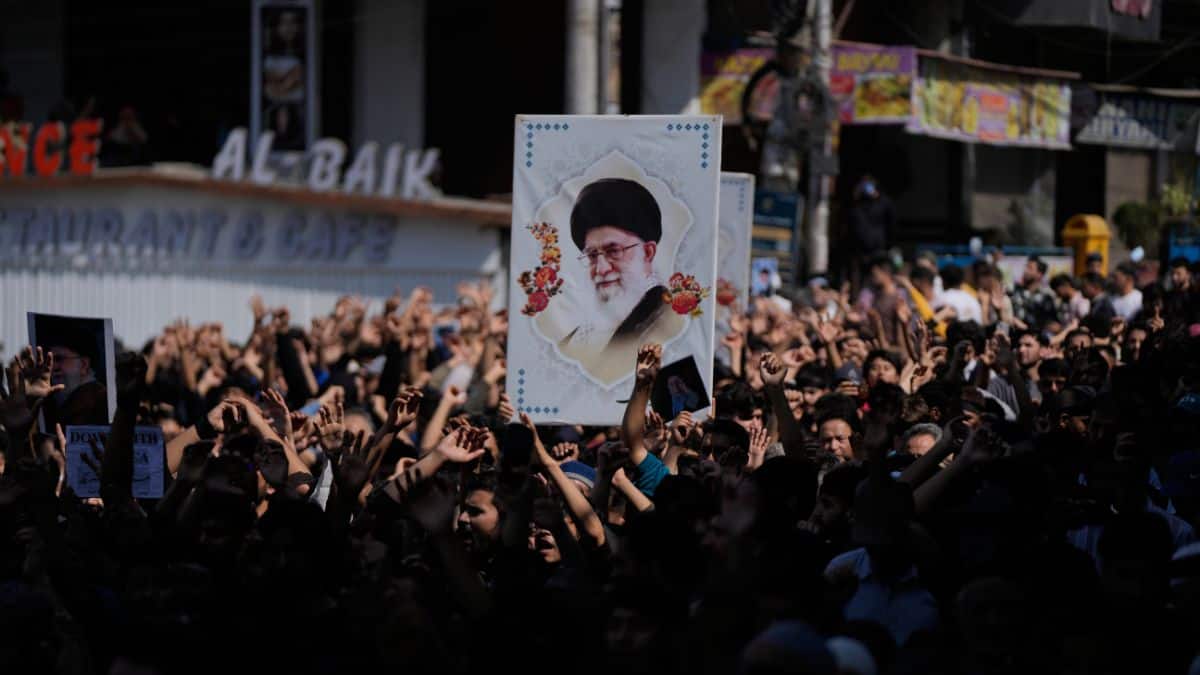
The most significant development is the confirmed death of Supreme Leader Ayatollah Ali Khamenei. His passing, occurring amidst the opening salvos of the war, has triggered a chaotic and violent succession struggle within the Iranian halls of power. Trump has exploited this vacuum, publicly urging the Iranian people to "seize control of your destiny" and inviting the military to defect with promises of total immunity.
However, the reality on the ground is far from the "peaceful transition" the administration describes. While reports of celebrations in some quarters of Tehran have surfaced, they are drowned out by the sound of F-35s and the retaliatory roar of Iranian ballistic missiles. The IRGC, though battered, has not laid down its arms. Instead, they have activated a "forward defense" strategy, launching hundreds of drones and missiles at U.S. bases in Saudi Arabia, the UAE, and civilian centers in Israel.
The Nuclear Gamble at Natanz
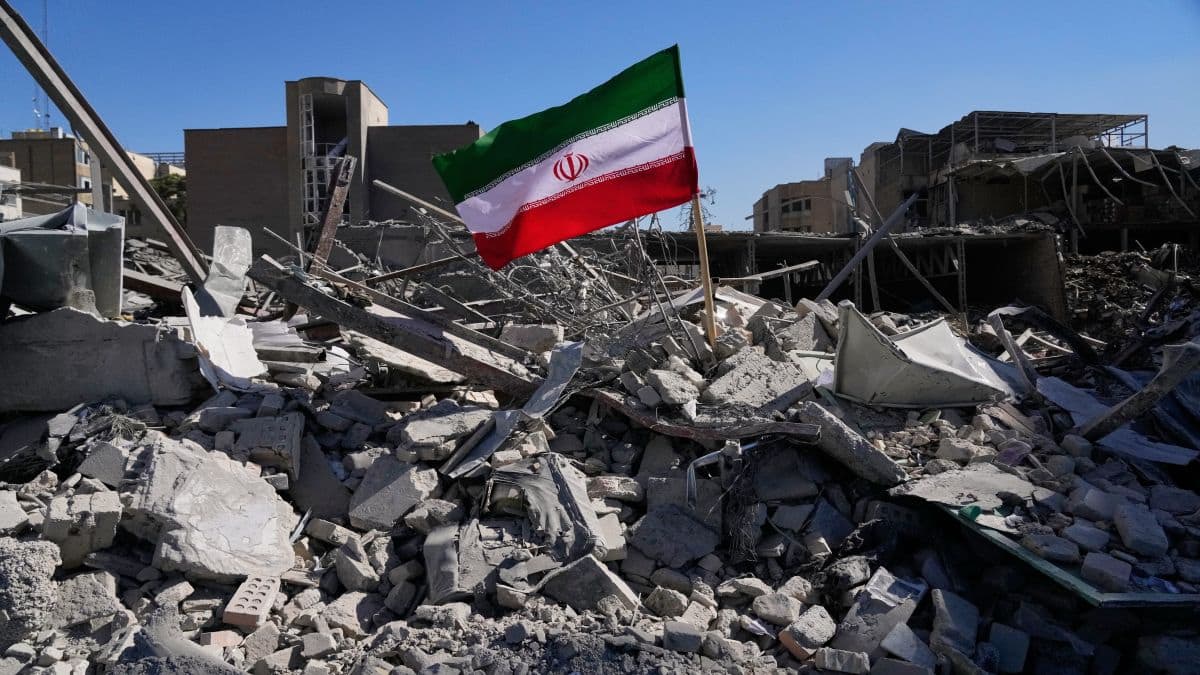
For decades, the Natanz nuclear facility was the red line that no Western power dared to cross with conventional explosives. That line was erased on March 2. Satellite imagery confirms severe damage to at least three major buildings at the site. While the International Atomic Energy Agency (IAEA) reports no immediate radioactive leakage, the message is unmistakable. The "Midnight Hammer" strikes of 2025 were a warning; Epic Fury is the execution.
Critics in Washington argue that by bombing these facilities, the U.S. has traded a long-term proliferation problem for an immediate regional catastrophe. The logic of the Trump administration is different. They view the Iranian nuclear program as a terminal cancer that requires radical surgery, regardless of the blood loss during the procedure. Secretary of State Marco Rubio has doubled down, stating that the "hardest hits are yet to come," even as European allies like Spain move to distance themselves from the American-led offensive.
Economic Shockwaves and the Strait of Hormuz
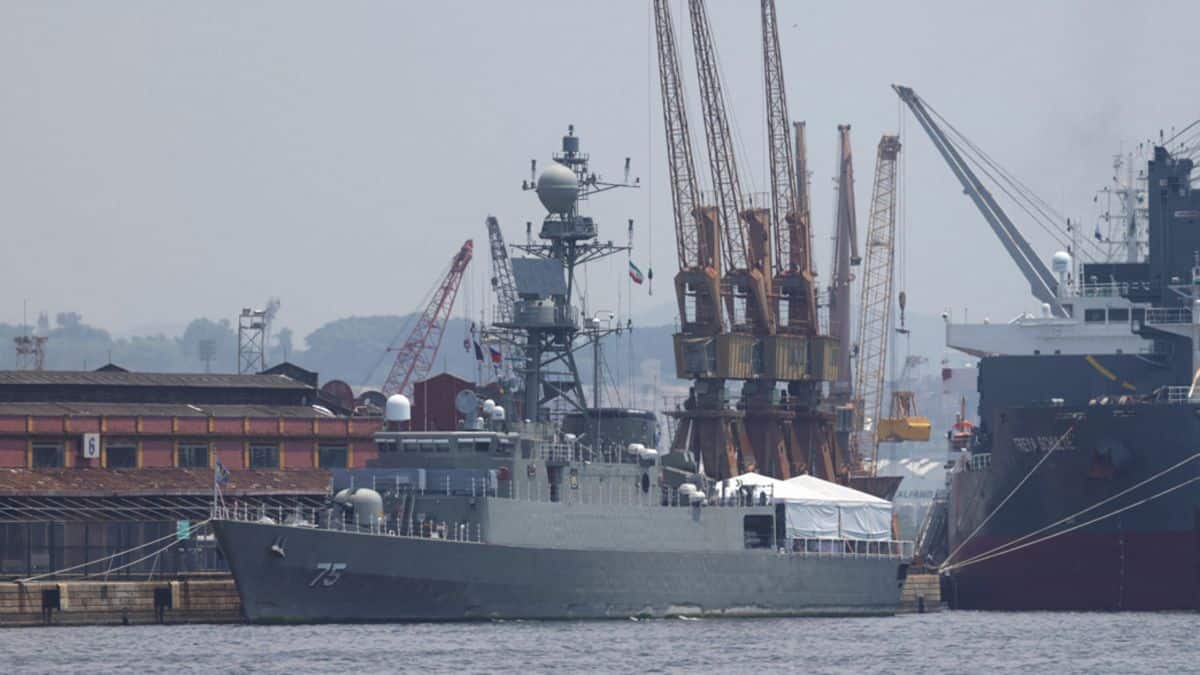
The conflict has moved beyond the borders of Iran and Israel. The IRGC’s attempt to shut down the Strait of Hormuz has sent global oil prices into a vertical climb. Though U.S. Naval forces have engaged and sunk several Iranian vessels—including the drone carrier Shahid Bagheri—the threat of naval mines and shore-based anti-ship missiles remains high.
The disruption of 20% of the world’s petroleum flow is not just a statistic; it is an economic weapon. In the U.S., gas prices are surging at a rate that could potentially undermine the domestic political support Trump currently enjoys for the war. Democratic lawmakers have already begun a push for a War Powers resolution, sensing that the "five-week war" promised by the White House might be the start of another decade-long entanglement.
The Military Reality
The technical superiority of the U.S.-Israeli force is undeniable. An Israeli F-35 recently recorded the first air-to-air kill by that platform against a manned Iranian YAK-130 jet over Tehran. The U.S. has established local air superiority, but "air superiority" does not mean "control."
| Metric | Estimated Impact (Day 5) |
|---|---|
| Iranian Casualties | 1,045+ (Reported by Iranian agencies) |
| U.S. Deaths | 6 (Confirmed) |
| Missile Launchers Destroyed | 300+ |
| Aerial Sorties | 1,600+ |
Despite these numbers, the Iranian regime’s proxy network remains active. Hezbollah has expanded its rocket range to the Tel Aviv metropolitan area, and unexploded Iranian projectiles have been found as far away as eastern Syria. The war is horizontal, spreading through Lebanon, Iraq, and Yemen, dragging the entire Middle East into the fire.
The Absence of an Exit Strategy
The fundamental flaw in Operation Epic Fury is the lack of a defined endgame. Trump’s rhetoric has oscillated between calling for a new government and suggesting that "someone from within" the current regime should take over. This ambiguity is dangerous. History shows that when a central authority is removed without a viable successor, the result is not democracy—it is a fractured state ruled by warlords.
The Iranian people, caught between a brutal domestic crackdown and foreign bombs, are being told the "hour of their freedom is at hand." But freedom delivered via 2,000-pound JDAMs is a difficult sell when the power is out, the hospitals are overflowing, and the streets are a battleground.
The administration believes that the sheer weight of American might will force a surrender. They are betting that the IRGC will choose survival over the regime. But for the "hard, terrible people" Trump describes, the regime is their survival. By cutting off all avenues for negotiation and demanding total capitulation, the U.S. may have ensured that this conflict will only end when there is nothing left to bomb.
Would you like me to analyze the specific economic impact of the Strait of Hormuz closure on global shipping routes?