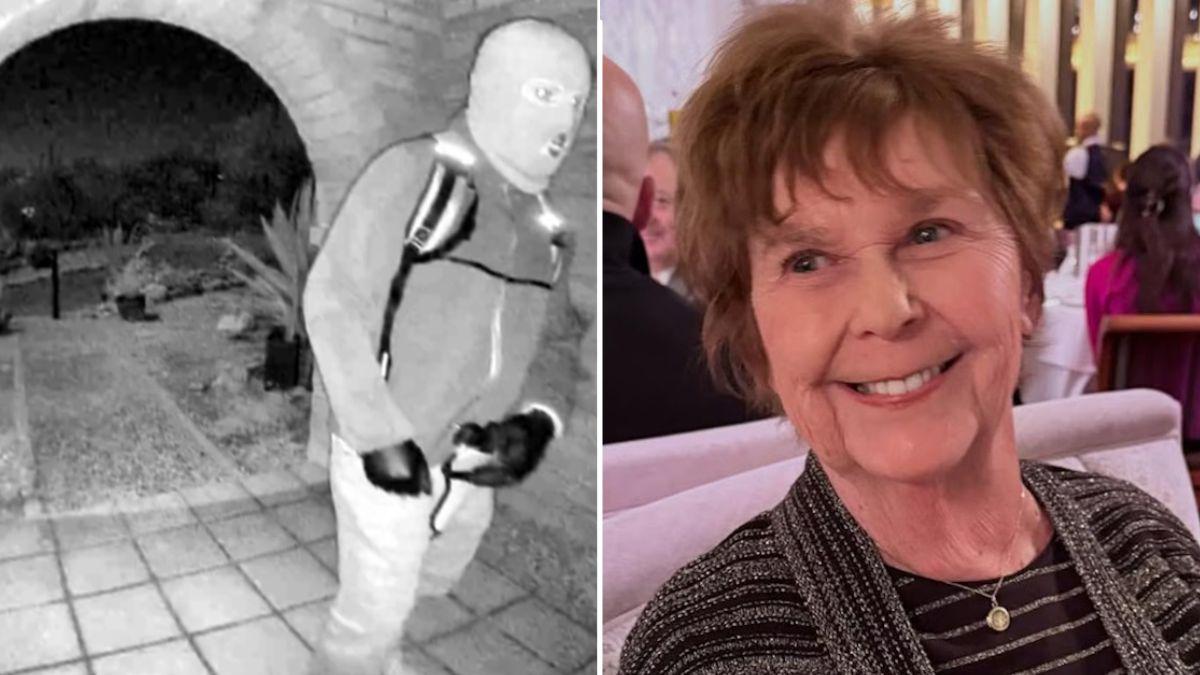
The disappearance of Nancy Guthrie wasn't just a local police matter for more than forty-eight hours. It became a frantic, messy, and often dark digital circus. When a person vanishes under suspicious circumstances, the void left by a lack of official information is instantly filled by noise. In Guthrie's case, that noise reached a deafening pitch. TikTok sleuths, self-proclaimed psychics, and clout-chasing influencers didn't just watch the news. They tried to rewrite it.
We've seen this pattern before, but the Guthrie case highlights a shift in how the public consumes tragedy. It’s no longer about empathy. It's about engagement. The hunt for "clues" in Nancy’s social media history or the scrutiny of her family’s body language wasn't done by professionals with badges. It was done by people in their pajamas looking for their next viral hit. This isn't just "helping." It’s a form of entertainment that has real-world consequences for the investigation and the people involved.
The Rise of the Armchair Detective
Digital sleuthing started as a niche hobby on forums like Websleuths or Reddit’s r/UnresolvedMysteries. Back then, it was mostly about data. People would cross-reference Jane Does with missing persons reports. Now, it’s gone mainstream. When Nancy Guthrie went missing, the hashtag associated with her name exploded on TikTok.
Users started "analyzing" every frame of available security footage. They weren't looking for the car. They were looking for "vibes." You see a person walk a certain way and suddenly ten thousand people are convinced they’re "acting guilty." This creates a massive problem for law enforcement. Instead of following legitimate leads, detectives end up sifting through thousands of "tips" generated by people who saw a shadow in a grainy video and decided it was a weapon.
The psychology here is simple. People want to feel like they’re part of the story. They want to be the one who finds the "smoking gun" that the "clueless" police missed. But investigation isn't a movie. It’s a slow, methodical process of elimination. Digital sleuths do the opposite. They jump to the most sensational conclusion because that’s what gets likes.
When Psychics Join the Chat
Perhaps the most predatory aspect of the Guthrie case was the influx of "intuitive investigators" and psychics. These individuals claim to "feel" where a victim is or "see" the face of a kidnapper. Let’s be blunt. It’s exploitation.
During the height of the search, several live-streamers claimed they had "channeled" Nancy. They gave vague directions—"near water," "a red barn," "a man with a hat." This isn't just harmless superstition. It’s cruel. Families of the missing are in a state of extreme vulnerability. When a psychic tells a grieving mother that their child is "cold and scared," it inflicts a specific kind of trauma that no amount of digital "clout" can justify.
The Influencer Economy of True Crime
True crime is a billion-dollar industry. In the Guthrie case, we saw the dark side of that economy. Influencers who usually post makeup tutorials or "day in the life" vlogs suddenly pivoted to missing person coverage. Why? Because the algorithm rewards it.
If you talk about a trending disappearance, your views skyrocket. This creates a perverse incentive to keep the "mystery" alive even when facts are available. If the police say they have a person of interest, influencers will speculate on ten others to keep the "theory" videos going. They use dramatic thumbnails, somber music, and clickbait titles. They turn Nancy Guthrie’s life—and potential tragedy—into a content pillar.
This "contentification" of crime leads to the harassment of innocent people. In several recent cases, including Guthrie’s, people who were merely neighbors or distant acquaintances had their addresses leaked and their lives upended by "internet detectives" who decided they looked "suspicious."
The Cost of Misinformation
Law enforcement agencies are struggling to keep up with the speed of the internet. In the past, the police controlled the flow of information through press releases. Today, a rumor can travel around the world before the police even finish their morning briefing.
When Nancy Guthrie’s case hit the peak of its online cycle, false reports of her being found began to circulate. These "updates" were shared tens of thousands of times. Imagine being a family member seeing a post saying your loved one is safe, only to find out it was a lie created for engagement.
- Resource Drain: Police have to dedicate man-hours to debunking viral hoaxes instead of searching.
- Witness Contamination: Potential witnesses see "theories" online and subconsciously alter their own memories to fit the popular narrative.
- Harassment: Innocent bystanders are often "doxxed" and threatened by online mobs.
How to Actually Help a Missing Person Case
If you actually care about finding a missing person like Nancy Guthrie, the best thing you can do is often the most boring thing. You don't need to be a hero. You just need to be a responsible citizen.
Stop sharing "theory" videos. Stop following "psychics" who claim to have inside information. If you want to help, share the official missing person poster from the local police department or the FBI. Don't add your own commentary. Don't speculate on the family's "weird" behavior.
Check your own security cameras if you live in the area, but send that footage to the police, not to a YouTuber. The goal should be justice and safety, not being the first person to post a "breakthrough" on your feed.
The Guthrie case is a reminder that while the internet can be a powerful tool for spreading awareness, it’s also a chaotic, ego-driven machine. We need to stop treating human lives like puzzles to be solved for fun. Nancy Guthrie is a person, not a plot point.
If you find yourself deep in a comment thread about a "suspicious" detail in a missing person case, step back. Ask yourself if you’re looking for the truth or if you’re just looking for a thrill. The best way to support an investigation is to let the people with the training, the evidence, and the legal authority do their jobs. Stick to the facts. Share official links. Ignore the influencers.