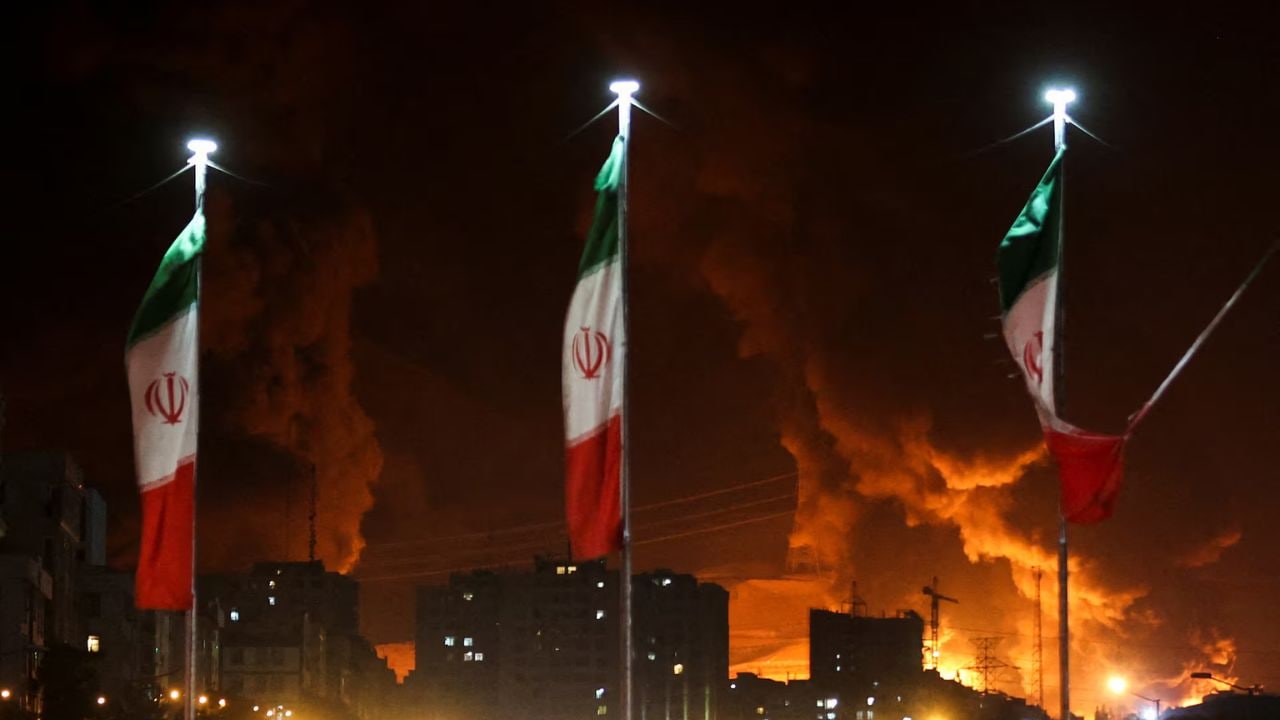
The headlines are screaming about a US submarine torpedoing the Iranian frigate IRIS Dena. The Iranian envoy, Saeid Reza Mosayeb Motlagh, is leaning into the microphone, painting a picture of a "cowardly" strike without warning. The Western press is either ignoring it or treating it like a standard "he-said-she-said" regional skirmish.
Everyone is wrong.
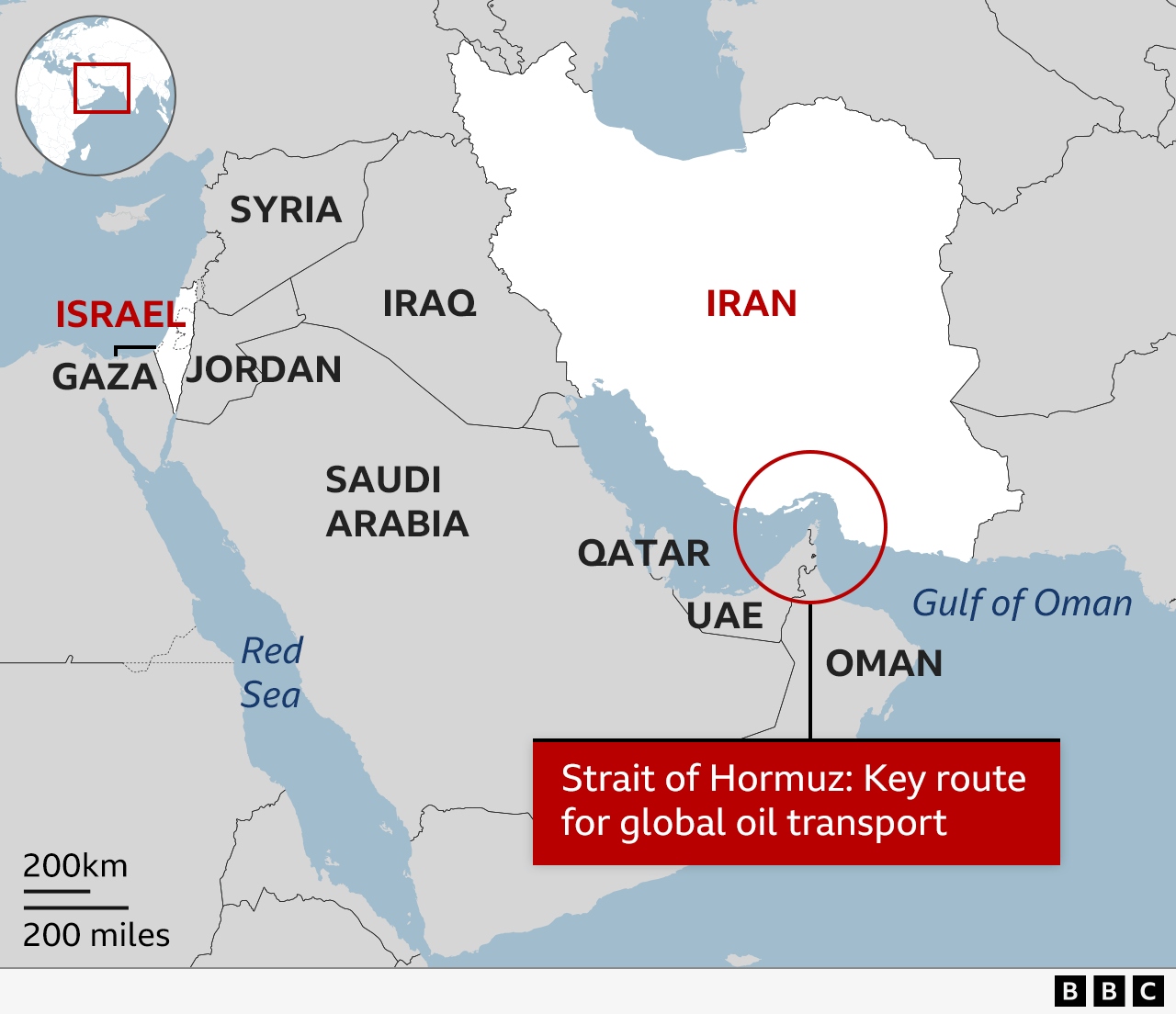
This isn't just about a boat sinking or a torpedo firing. It's about the collapse of modern maritime intelligence and the fact that we are currently living in the "Golden Age of the False Flag." If a US submarine actually fired a Mark 48 ADCAP at a sovereign Iranian vessel in 2026, we wouldn't be reading "envoys" complaining in press releases. We would be watching the Straits of Hormuz turn into a wall of fire.
The IRIS Dena "incident" is a masterclass in how nations now use the fog of the deep to manipulate global markets and domestic fervor. It's time to dismantle the lazy consensus that this was a simple kinetic strike.
The Physics of Sinking A Frigate
The IRIS Dena is a Mowj-class frigate. It’s not a world-beater, but it’s a modern, commissioned warship. If a US nuclear-powered attack sub (SSN) decided to "remove" it, the IRIS Dena wouldn't just be damaged or "torpedoed without warning." It would cease to exist in its physical form.
A Mark 48 torpedo doesn't just punch a hole in the hull. It uses a bubble jet effect. It's designed to explode underneath the keel of the ship.
- The explosion creates a massive gas bubble that lifts the ship's center.
- The bubble collapses, and the ship drops into the void.
- The ship's back snaps.
- The remaining gas bubble rises, venting through the broken hull and essentially shredding the structure.
If the US military committed an act of war by sinking a frigate, they wouldn't leave a witness to talk to an envoy. They would have scrubbed the area. The claim that the IRIS Dena was "hit" and people survived to complain about the lack of warning suggests one of two things: either the US Navy has suddenly become incompetent at its primary job, or—more likely—this was a controlled detonation or a structural failure being sold as an American aggression.
The "No Warning" Fallacy
Envoy Motlagh’s specific grievance—that the strike came "without warning"—is the most intellectually dishonest part of the narrative. In the world of Subsurface-to-Surface warfare, the "warning" is the sound of the torpedo’s active sonar pinging your hull for the final three seconds of your life.
Submarines are stealth platforms. The entire strategic value of a Virginia-class or Los Angeles-class sub is that you don't know it's there until the water starts rushing into your lungs. Complaining that a submarine didn't give a warning is like complaining that a sniper didn't shout "heads up" before taking the shot.
The fact that this "lack of warning" is being used as a rhetorical cudgel tells you exactly who the intended audience is: a civilian population that thinks war should have the manners of a Victorian duel. It's not about military reality. It's about building a case for asymmetric retaliation.
Why the US Would Never Do This (Right Now)
I have seen intelligence circles spin out for months over a single sonar contact. The US Navy is currently stretched thinner than a budget airline’s napkins. Between the Red Sea skirmishes, the South China Sea posturing, and the ongoing drone swarms in the Mediterranean, the last thing the Pentagon wants is a "hot" war with Iran triggered by a single torpedo.
The risk-to-reward ratio is a disaster.
- Risk: Closing the Straits of Hormuz, causing a global oil shock that spikes prices to $200 a barrel overnight.
- Reward: Sinking one Iranian frigate that has minimal impact on Iran's overall regional power.
The math doesn't check out. If the US wanted to send a message, they would use a Cyber-Kinetic strike. They would shut down the IRIS Dena’s propulsion systems, scramble their communications, and leave them drifting and humiliated in the middle of the Gulf. Sinking it with a torpedo is "20th-century thinking" in a 21st-century shadow war.
The Ghost in the Machine: Who Actually Benefited?
If we look at the IRIS Dena through the lens of incentive structures, the list of suspects grows. Iran needs a unifying narrative. Their domestic situation is often precarious; nothing heals a rift like a "vicious American attack" on a pride of the fleet.
Then there is the possibility of Non-State Actors or regional rivals. We are entering an era where Large Undersea Unmanned Vehicles (LUUVs) can carry significant payloads. These aren't the bulky subs of the Cold War. They are sleek, autonomous, and incredibly hard to attribute.
Imagine a scenario where a third party—not the US—deploys an autonomous drone to strike an Iranian vessel, knowing the blame will immediately land on Washington. It’s the perfect geopolitical "bank shot." It forces the US and Iran into a confrontation neither side can afford, while the instigator sits back and watches the energy markets fluctuate.
The Data Gap
Where is the acoustic data? Every nation in the region has hydrophones littered across the seabed. A torpedo launch is loud. A torpedo impact is even louder. It has a specific acoustic signature—a "fingerprint" that tells you the weight of the warhead and the speed of the motor.
- Silence from the SOSUS networks: If the US did this, the French, the British, and even the Russians would have the tape.
- Satellite imagery: In 2026, we have "persistent overhead coverage." There is no such thing as a "hidden" explosion on the surface of the ocean anymore.
The absence of leaked sensor data is a screaming signal that the "event" didn't happen the way it's being reported. If the Iranian government had the acoustic signature of a US Mark 48, they would be broadcasting it on every frequency from Tehran to New York. They aren't. They are giving us "envoys" and "outrage."
Stop Asking "Why Did They Sink It?"
You are asking the wrong question. You should be asking: "What is the IRIS Dena hiding underneath the waterline?"
Iranian naval vessels have a history of structural issues. The Sahand capsized in port just a couple of years ago due to basic maintenance failures and technical incompetence. It is far more likely that the Dena suffered a catastrophic internal failure—an engine room fire or a poorly maintained munitions locker—and the "US Submarine" is the convenient ghost story used to cover up the embarrassment of a self-inflicted wound.
I’ve seen this play out in private sector industrial disasters a dozen times. When the board of directors realizes they’ve blown $500 million on a faulty system, they don't admit fault. They find a competitor or an external "hack" to blame. Iran’s Navy is just a corporation with a flag and more guns.
The Actionable Truth
If you are a trader, a defense analyst, or just someone trying to understand the news, here is your playbook for the next "torpedo incident":
- Ignore the Envoy: Diplomacy is the art of lying with a straight face. Their words are meant for domestic consumption.
- Check the Tanker Rates: If the "strike" was real and the threat of war was imminent, insurance premiums for tankers in the Gulf would triple in an hour. If they haven't moved, the "big money" knows the story is a fake.
- Look for the SOS: Real torpedo strikes don't allow for orderly press conferences. Look for the actual rescue footage. Look for the debris.
The IRIS Dena didn't die because of an American sub. It died because of a narrative. The real war isn't happening under the waves; it’s happening in the information stream, where a single sinking ship can be leveraged to justify a decade of hostility.
The sea is deep, but the lies are deeper.
Don't buy the "surprise attack" myth. In modern warfare, if you're surprised, you're dead. If you're complaining about being surprised, you're just a character in someone else’s script.
Stop reading the headlines and start looking at the hull.