The United States Senate effectively surrendered its constitutional "power of the purse" and war-making oversight on Wednesday, failing to pass a resolution that would have forced President Donald Trump to seek congressional approval for ongoing military operations against Iran. The 47-53 vote, breaking almost entirely along party lines, underscores a grim reality in modern governance: the 1973 War Powers Act, once designed as a definitive check on executive overreach following the Vietnam War, has become little more than a procedural speed bump. By rejecting the measure, the Senate has signaled that "Operation Epic Fury"—the administration's current air and naval campaign—can continue indefinitely without a formal declaration of war or specific statutory authorization.
The Illusion of Legislative Control
For decades, the War Powers Resolution was touted as the ultimate tool for reclaiming the authority of the people's representatives. It mandates that a president must notify Congress within 48 hours of committing armed forces to hostilities and sets a 60-day clock for those forces to be withdrawn unless Congress grants an extension. On paper, it is a formidable barrier. In practice, it is a sieve.
The Wednesday vote on S.J.Res.68, led by Senator Tim Kaine, was an attempt to trigger this clock. Yet, the resolution’s failure demonstrates how easily the executive branch can bypass these constraints by shifting definitions of "hostilities" or "imminent threats." The administration has argued that its strikes, including the recent high-profile operations in Tehran and Beirut, fall under inherent Article II authorities as Commander-in-Chief. This legal gray area allows a president to engage in high-intensity kinetic warfare while technically maintaining that the country is not "at war."
The political math in the Senate was equally telling. Only one Republican, Senator Rand Paul of Kentucky, crossed the aisle to support the curb on executive power. Conversely, Democratic Senator John Fetterman broke ranks with his party to vote with the Republican majority, arguing that halting operations mid-campaign would project weakness. This fragmentation ensures that even if a resolution were to pass a simple majority, it would never reach the two-thirds threshold required to override a guaranteed presidential veto.
Operation Epic Fury and the New Tech Frontier
What makes the current conflict with Iran distinct from the skirmishes of 2020 is the sheer technical scale of the engagement. The Pentagon has characterized the current campaign as a "multi-domain squeeze," utilizing autonomous systems and cyber-warfare at a level never before seen in the Middle East.
- Autonomous Swarms: The U.S. has deployed thousands of low-cost, expendable drones to saturate Iranian air defenses.
- Precision Cyber-Strikes: Beyond physical bombs, the administration has admitted to "active defense" measures that have neutralized Iranian command-and-control servers.
- Satellite-Linked Intercepts: Real-time data from private and military constellations allows for the interception of Iranian missiles with unprecedented speed.
This technological evolution complicates the legal definition of "war." When a drone fleet, managed by a handful of operators in Nevada, destroys a naval facility in Bandar Abbas, does it constitute the "introduction of U.S. Armed Forces into hostilities" under the 1973 definition? The administration argues it does not, as no American "boots" are on the ground. This semantic loophole is being used to build a permanent state of remote conflict that avoids the political fallout of a high body count while achieving the same geopolitical ends as a traditional invasion.
The Cost of Silence
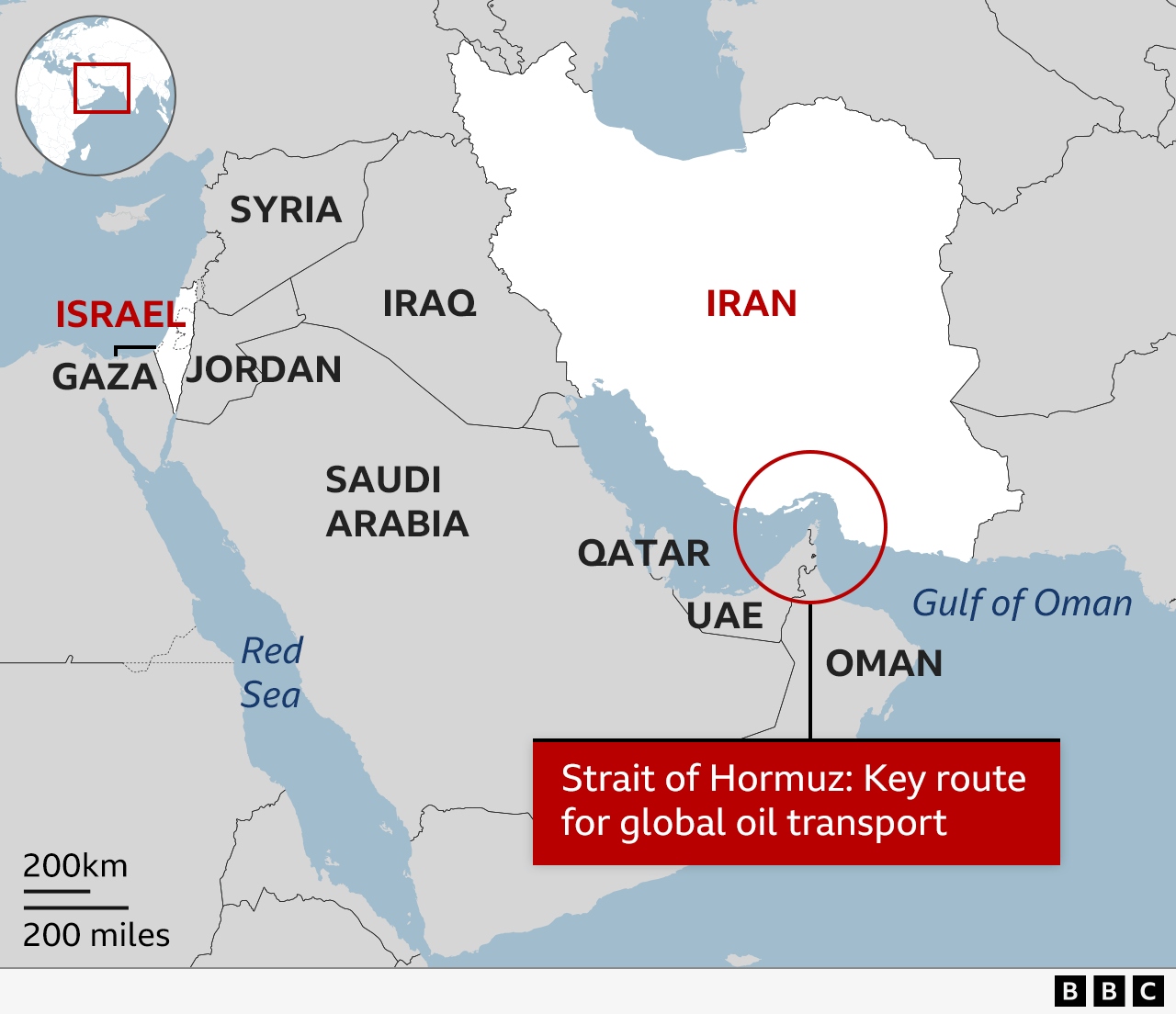
While the Senate debated the technicalities of the War Powers Act, the human and economic costs of the conflict began to bleed into the domestic sphere. The death toll in Iran has reportedly surpassed 1,000, and the sinking of an Iranian warship earlier this week has sent insurance premiums for commercial shipping in the Strait of Hormuz skyrocketing.
Critics of the Senate's failure to act point to the "mission creep" that defined the early 2000s. Senator Chris Murphy warned that the administration's refusal to take ground troops off the table suggests that the current air campaign is merely a precursor to a larger entanglement. Despite these warnings, the prevailing sentiment in the chamber was one of deference. Majority Leader John Thune argued that the president’s actions are consistent with historical precedent set by both parties over the last forty years.
| Metric | Current Status (March 2026) | Historical Context (2020) |
|---|---|---|
| Senate Vote Margin | 47-53 (Failed) | 55-45 (Passed, then Vetoed) |
| Key Casualties | 6 U.S. Soldiers, 1,000+ Total | 0 U.S. Soldiers (Initial Soleimani Strike) |
| Primary Weaponry | Autonomous Drone Swarms / Cyber | Targeted MQ-9 Reaper Strikes |
| Economic Impact | 12x Shipping Insurance Spike | Minimal Initial Impact |
The failure of the resolution effectively grants the White House a blank check. Without a legislative mandate to stop, the administration is free to continue its "maximum pressure" campaign through kinetic means. The House of Representatives is expected to vote on a similar measure on Thursday, but with Speaker Mike Johnson labeling the move as "siding with the enemy," the outcome is a foregone conclusion.
Congress has effectively opted out of its most significant responsibility. By refusing to force a debate on the merits and risks of a hot war with Iran, the Senate has confirmed that the War Powers Act is a relic of an era when wars had clear start dates and defined battlefields. In the age of autonomous systems and shifting legal justifications, the power to wage war has migrated almost entirely to the East Wing.
The precedent set this week ensures that any future administration, regardless of party, can engage in sustained military campaigns without ever having to present a case to the American public through their elected representatives.
Would you like me to analyze the specific legal loopholes in the 1973 War Powers Act that the current administration is utilizing to bypass Congressional oversight?

.webp)