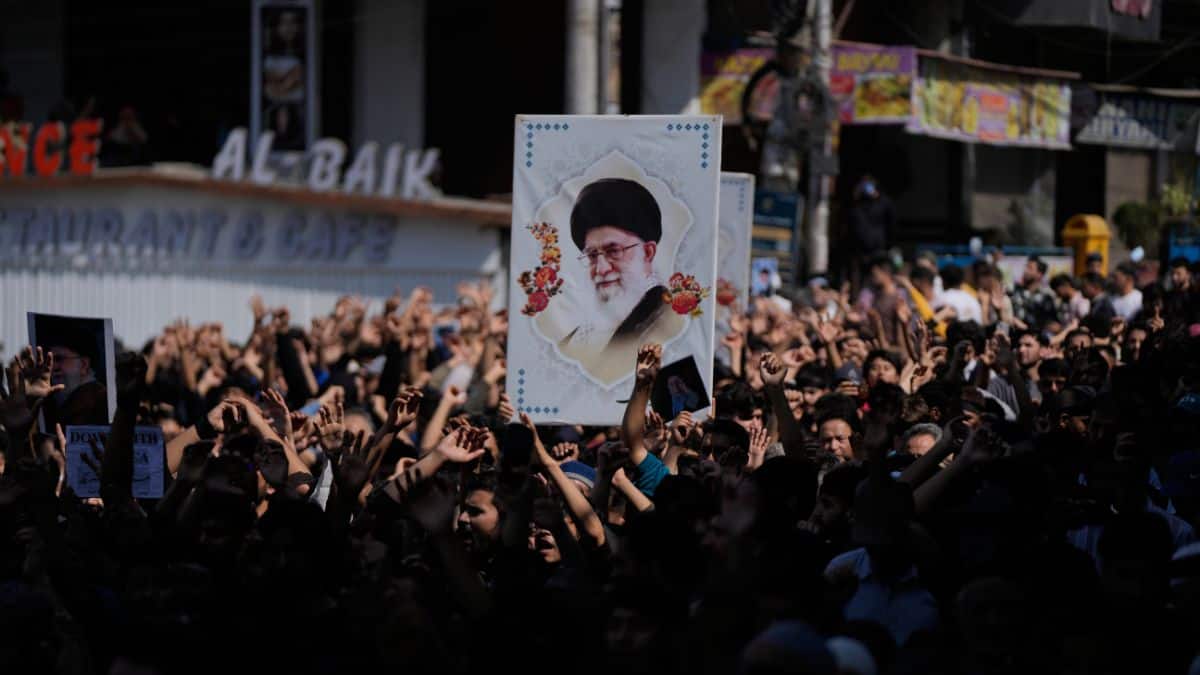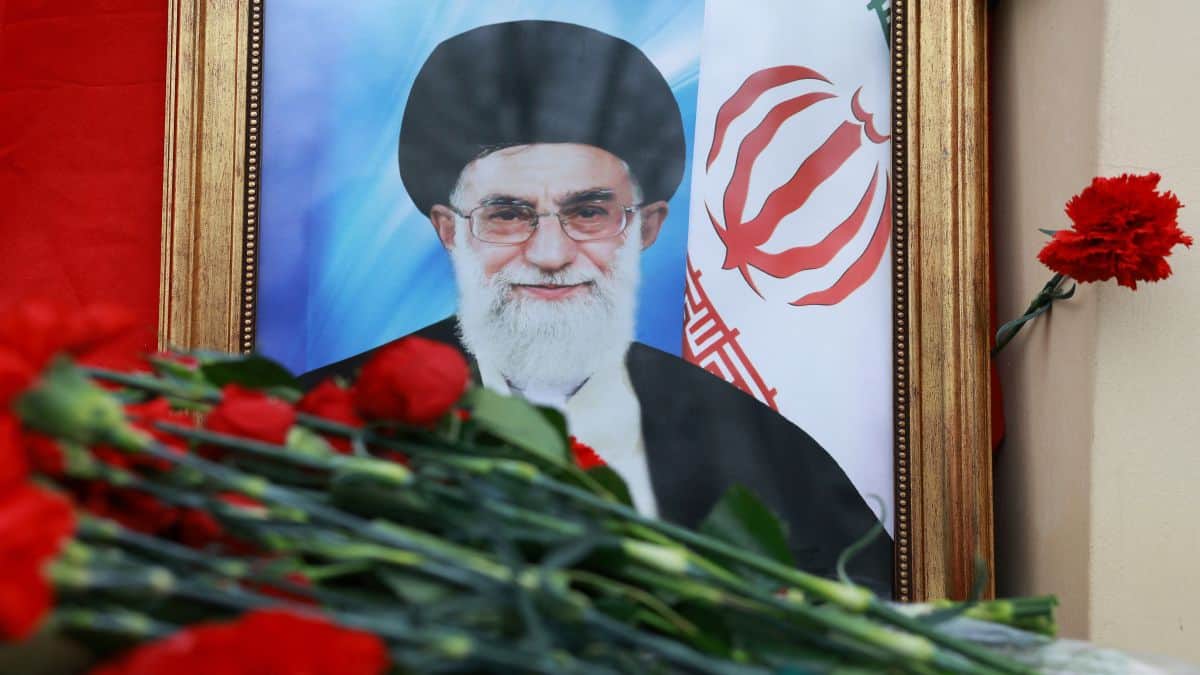
Everything is on hold in Tehran. The Islamic Republic has officially pushed back the farewell ceremony for Supreme Leader Ayatollah Ali Khamenei, who was killed in a joint U.S.-Israeli airstrike last Saturday. If you’re looking for the official reason, the state-run Tasnim news agency says it’s all about the sheer volume of mourners. They’re claiming "infrastructure challenges" and "unprecedented crowds" make it impossible to hold the three-day event as planned.
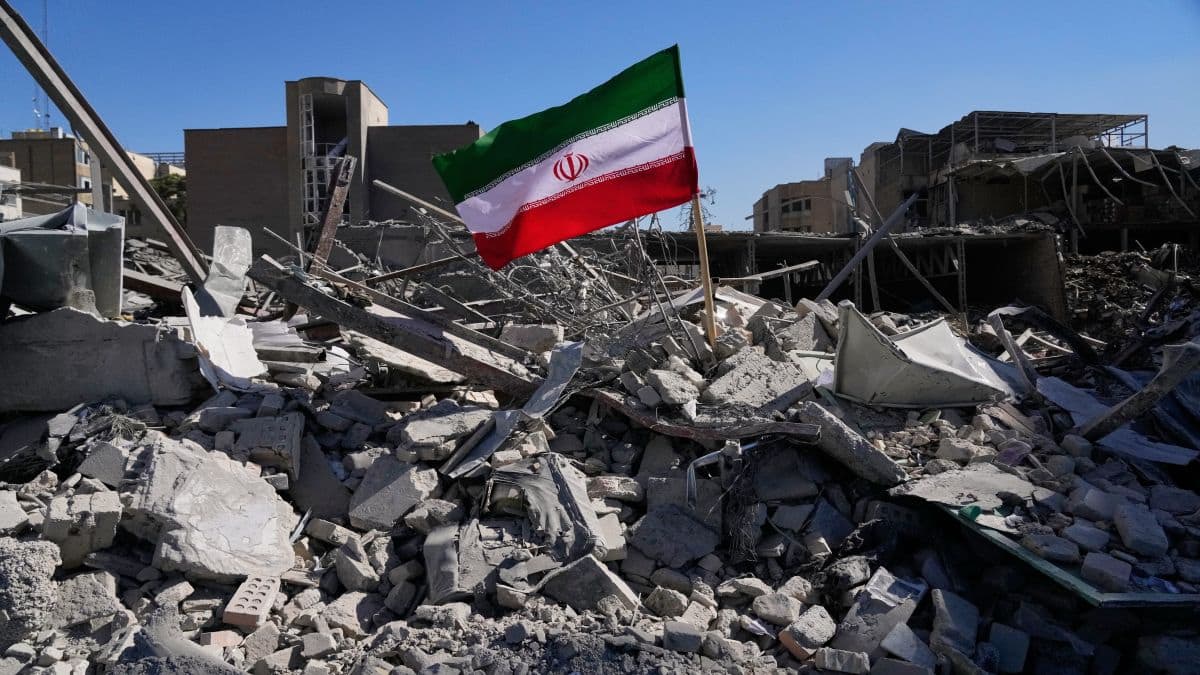
But if you look at the smoke still rising over the capital, it's clear there’s more to the story than just crowd control.
The ceremony was supposed to kick off Wednesday night at the Imam Khomeini Prayer Hall. Instead, the streets are filled with confusion. Iranian officials, including Hojjatoleslam Seyed Mohsen Mahmoudi, insist that people from every province are begging to attend, and the city just isn't ready to house or protect them. When the revolution's founder, Ayatollah Khomeini, died in 1989, ten million people showed up. That's one-sixth of the entire population at the time. The regime wants that same image of strength now, but they’re trying to stage it while the country is literally under fire.
The Security Paradox of a State Funeral
You can't ignore the timing. Israel and the U.S. aren't exactly pausing their "Operation Epic Fury" for a moment of silence. Since Saturday, over 1,700 targets across Iran have been hit. On Wednesday morning alone, the IDF launched a tenth wave of strikes specifically aimed at Tehran.
Imagine trying to manage ten million people in a prayer hall while B-52 bombers are operating in your airspace. It's a logistical nightmare that crosses into a suicide mission.
If the regime brings millions into one concentrated area, they’re creating the mother of all "soft targets." While the U.S. and Israel say they’re focusing on military and nuclear infrastructure, the chaos of a mass gathering is unpredictable. One misfire or a rogue drone could turn a funeral into a massacre. By postponing, the leadership isn't just buying time for the "infrastructure" to catch up; they're trying to prevent the funeral from becoming a second wave of casualties that could totally break the public's remaining trust.
What's Really Happening Behind the Scenes
The "massive crowd" excuse is a convenient shield for a much deeper crisis of succession. Iran is currently being run by a temporary three-man council:
- President Masoud Pezeshkian
- The Head of the Judiciary
- A senior cleric from the Guardian Council
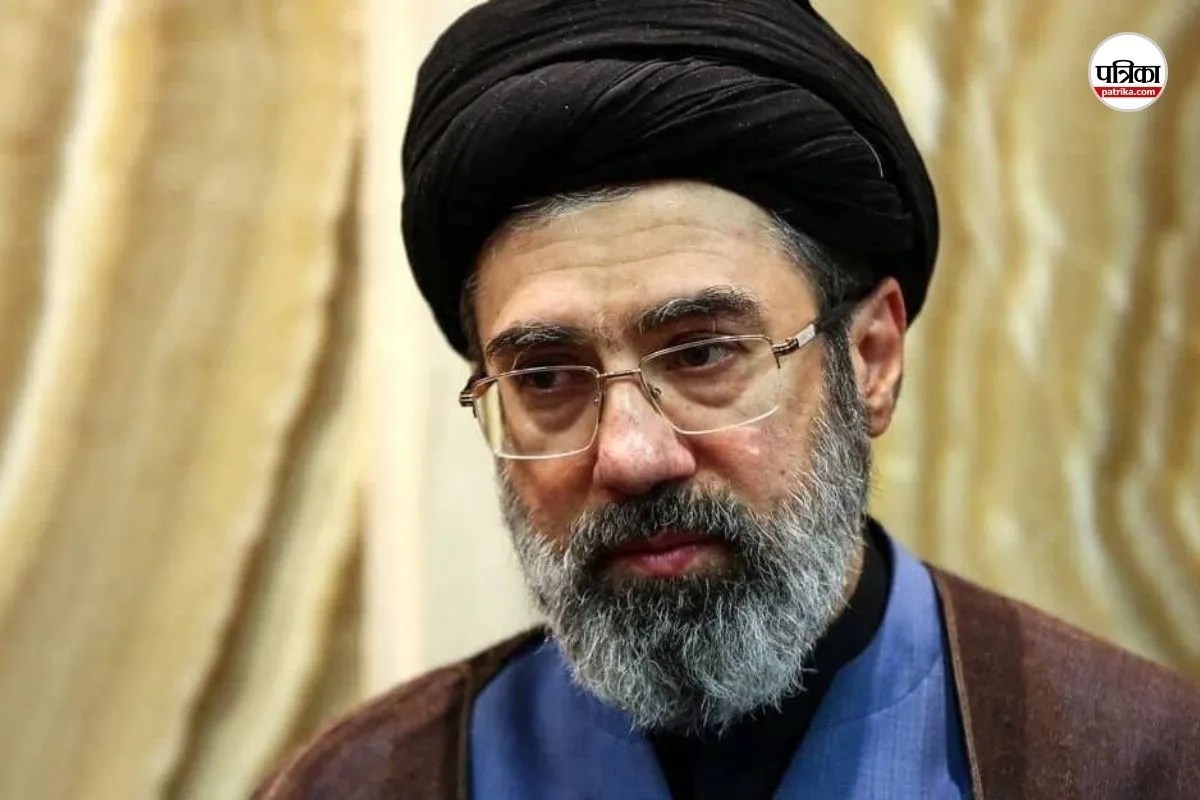
This isn't a long-term solution. The Assembly of Experts is supposed to be picking a permanent successor right now, but they're doing it in what they’ve called a "war situation." Reports suggest Khamenei’s second son, Mojtaba, is a frontrunner, but he’s controversial.
The delay of the funeral gives the IRGC and the clerical elite more room to breathe. They need to ensure that when they finally do show Khamenei’s body and name a successor, they have the military and political pieces locked down. You don't want to announce a new leader while the previous one’s funeral is being delayed by enemy bombs. It looks weak. And in the Middle East, looking weak is a death sentence.
Why This Matters for the Strait of Hormuz
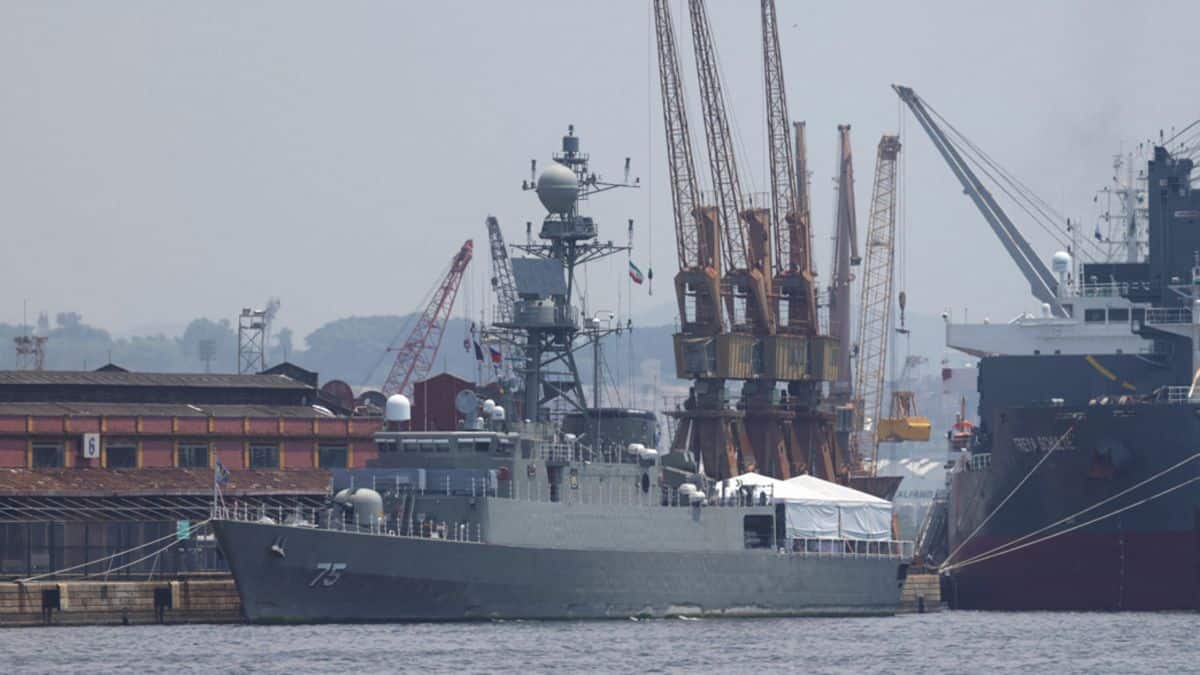
If you think this is just a local Iranian issue, look at your gas prices. The IRGC has already threatened to close the Strait of Hormuz—the artery for 20% of the world's oil. They're using this period of "mourning" to reposition naval assets.
While the world waits for a funeral date, Iran is shifting its focus to asymmetric retaliation. We’ve already seen reports of a US warship being targeted near Sri Lanka and drones hitting targets in Dubai. The funeral postponement is a symptom of a country that has pivoted from civil governance to a total war footing.
Navigating the Information Blackout
It's getting harder to know what's actually happening on the ground in Tehran. Internet access is spotty, and state media is the only loud voice left. Here’s what you should keep an eye on to cut through the noise:
- Satellite imagery: Watch for movement around the Imam Khomeini Prayer Hall. If they start building specialized anti-air defenses there, a funeral is imminent.
- Succession announcements: If the Assembly of Experts names a leader before the funeral, expect the ceremony to happen quickly to legitimize the new guy.
- Oil market volatility: Traders aren't waiting for a funeral; they're watching the IRGC. If the Strait of Hormuz closes, the funeral becomes a footnote to a global economic crisis.
The regime says the new schedule will be announced "later," but don't expect it until they feel they can guarantee the safety of the elite—not just the crowds. If you're following this, stay skeptical of the "logistical" excuses and look at the flight paths of the bombers overhead.
Keep monitoring the updates from the International Atomic Energy Agency (IAEA) regarding the status of the Natanz facility. While the funeral is a domestic symbolic event, the international community is far more concerned with whether the strikes have compromised nuclear containment. Check reputable live blogs for real-time updates on strike locations in Tehran before assuming any public gathering is safe.