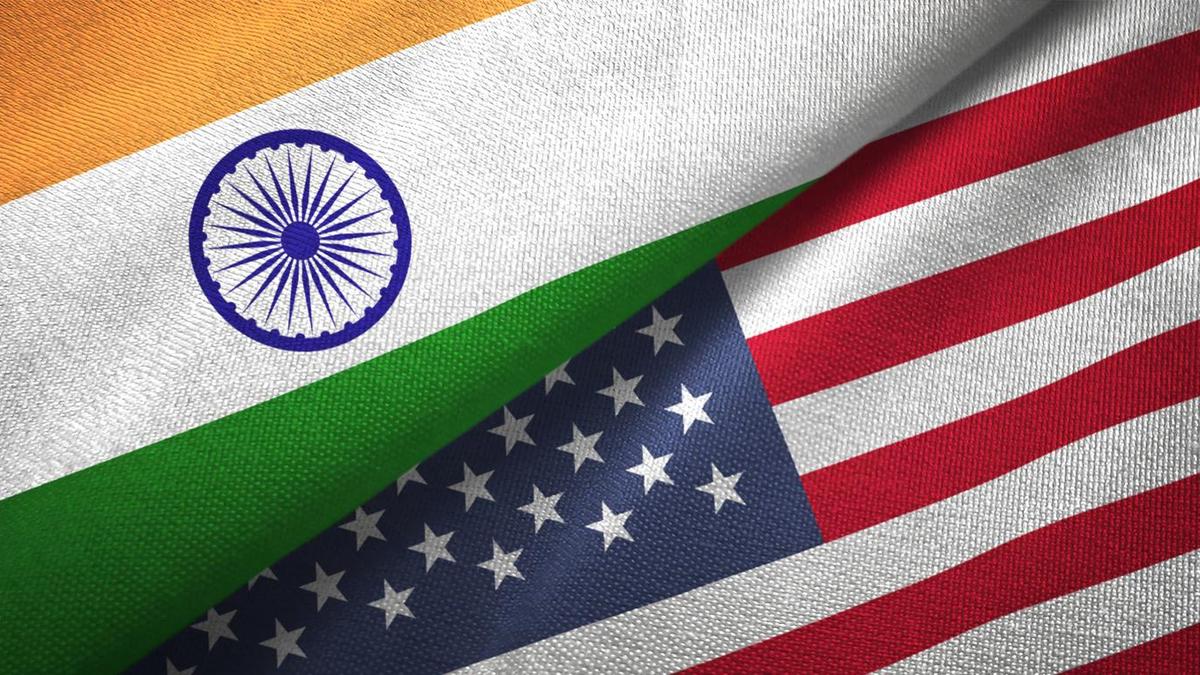
Washington and New Delhi are dancing around a massive trade agreement that everyone says they want but nobody seems ready to sign. You’ve heard the headlines. A "historic partnership" is supposedly just around the corner. But if you look at the actual friction points on the ground, the reality is much more stubborn. A senior U.S. official recently confirmed that while a deal isn't far-off, the gaps remain wide enough to keep lawyers busy for years.
It’s not just about tariffs on Harley-Davidsons or pecans anymore. We’re looking at a fundamental clash of economic philosophies. The U.S. wants open markets and intellectual property protections that look like Western standards. India wants to protect its small farmers and grow its local tech manufacturing through "Make in India" initiatives. These aren't just minor policy tweaks. They're core national identities.
Why the US India Trade Deal is Stuck in Neutral
The U.S. Trade Representative’s office hasn't been shy about the hurdles. One big sticking point is medical devices. American companies want clear, predictable pricing. India wants to keep life-saving tech affordable for its 1.4 billion people. When you have two giants with such different priorities, "close" is a relative term.
Digital trade is another mess. India’s data localization rules—basically requiring that data on Indian citizens stays on servers inside India—scares the daylights out of Silicon Valley. Tech firms argue it makes doing business more expensive and less secure. The Indian government sees it as a matter of national sovereignty. Who’s right? Depends on which side of the ocean you're sitting on.
Then there's agriculture. This is the third rail of Indian politics. Any deal that looks like it might hurt the local farmer is a non-starter for New Delhi. The U.S. wants better access for its dairy and fruit. India is terrified of a flood of cheap imports crashing their rural economy. It's a stalemate that hasn't budged much in a decade.
The Ghost of GSP and Why it Still Matters
Remember the Generalized System of Preferences? Probably not, unless you’re a trade nerd. It was a program that let India export certain goods to the U.S. duty-free. The Trump administration scrapped it in 2019 because they felt India wasn't giving "equitable and reasonable" access to its own markets.
India wants that status back. It’s a huge psychological and financial win for them. The U.S. is using it as a carrot. "Give us better terms on electronics and almonds, and maybe we’ll talk about GSP," is basically the vibe coming out of D.C. right now. But India isn't desperate. They’ve been diversifying their trade partners, looking toward Europe and the Middle East. They aren't going to crawl back for a program that can be snatched away at the whim of the next American election cycle.
Labor Standards and the Environment
The Biden administration—and likely any future Democratic or even populist Republican one—has shifted the goalposts. It’s no longer just about moving boxes of goods. Now, trade deals have to include "high-standard" labor and environmental protections.
India finds this annoying. They see it as a form of protectionism disguised as morality. From New Delhi's perspective, they’re a developing nation that shouldn't be held to the same carbon or labor benchmarks as a country that’s been industrialised for 200 years. If the U.S. insists on these "values-based" trade rules, the deal is going to stay stuck in the "almost there" phase indefinitely.
Forget the Mega Deal and Look at the Mini Version
The smart money isn't on a massive, all-encompassing Free Trade Agreement (FTA). Those are relics of the 90s. They take too long and die in Congress. What we’re actually seeing is a "mini-deal" approach.
Think of it like a series of smaller handshakes. Maybe a deal on critical minerals today. A pact on semiconductor supply chains tomorrow. A joint venture on jet engines next month. This "sector-by-sector" strategy is actually working. The iCET (Initiative on Critical and Emerging Technology) is a perfect example. It bypasses the messy tariff talk and focuses on where the two countries actually need each other to counter China’s influence.
The China Factor is the Only Reason This is Moving
Let’s be honest. If China wasn't aggressively expanding its footprint in the Indo-Pacific, the U.S. and India might not even be at the table. Geopolitics is the glue holding this together.
The U.S. needs India as a massive, democratic counterweight. India needs American tech and investment to build its manufacturing base so it can stop relying on Chinese supply chains. This shared anxiety creates a floor for how bad the relationship can get. They won't walk away completely because they can't afford to. But "not walking away" isn't the same thing as "signing a deal."
What Businesses Should Actually Do Right Now
If you're waiting for a formal trade treaty to change your business strategy, you’re losing time. The "gaps" the U.S. official mentioned are structural. They won't vanish because of a nice photo op in the Rose Garden.
- Stop waiting for tariff relief. Assume the current duties are the new normal. If your business model only works if tariffs drop 15%, your model is broken.
- Focus on the "Trusted Geography" play. The U.S. government is actively encouraging "friend-shoring." If you move manufacturing from China to India, you might not get a trade deal, but you will get much more political support and potentially easier licensing.
- Watch the states, not just the capitals. While D.C. and New Delhi bicker, individual Indian states like Tamil Nadu or Gujarat are cutting their own paths to attract foreign investment. They’re often much easier to deal with than the federal bureaucracy.
- Hedge your IP risks. Since the trade deal gaps include intellectual property, don't expect a magic wand to protect your tech. Use localized legal strategies and robust contracts that work within the current Indian court system.
The "far-off" deal is a moving target. The U.S. wants a partner that acts like an ally; India wants a partner that respects its independence. Those two things don't always align. We’re in for a long, slow grind where the victories are small, technical, and mostly invisible to the average person.
Stop looking for the big signature. Watch the small tech transfers instead. That's where the real money is moving while the trade officials keep talking about the "gaps."