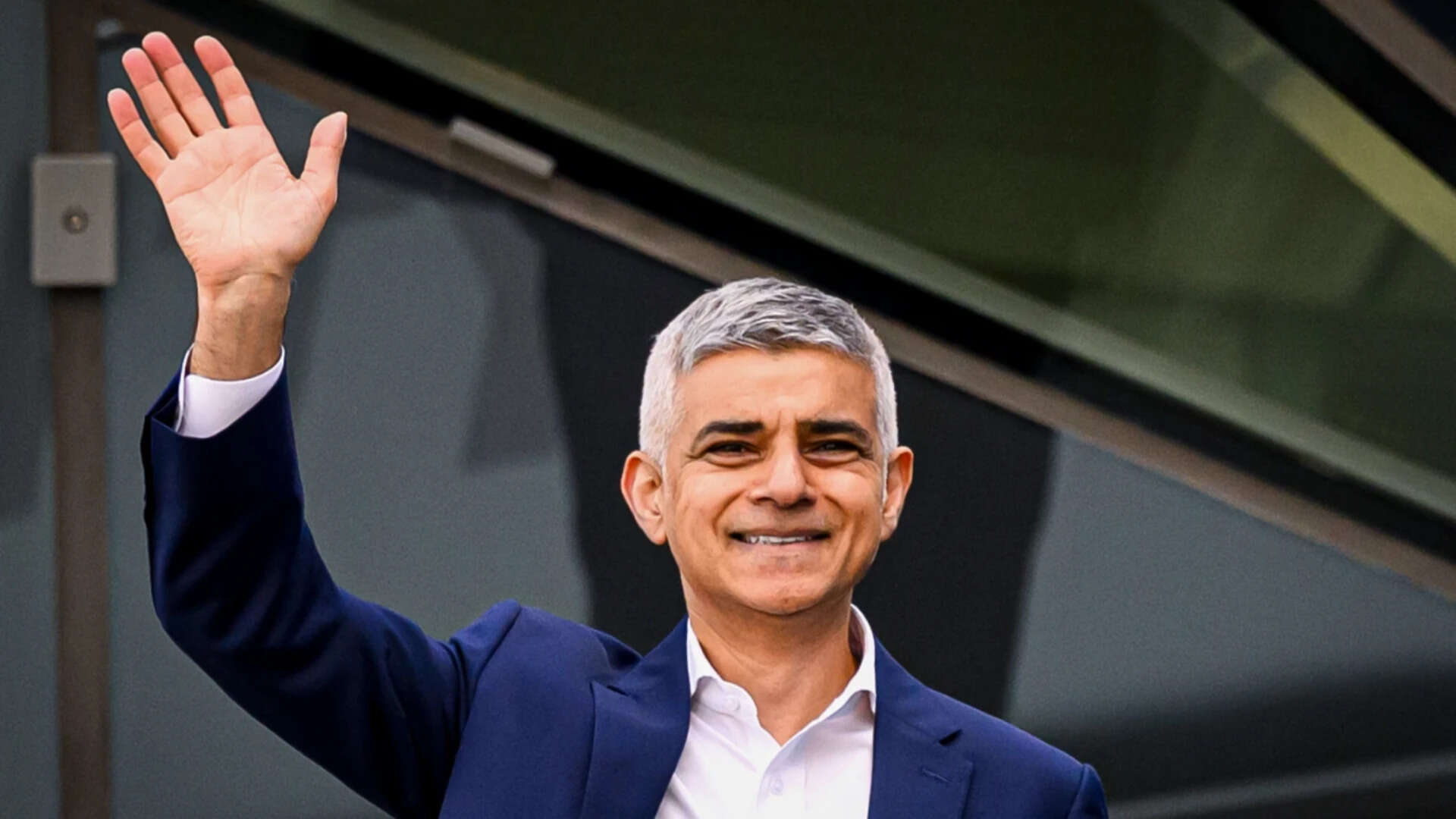
Keir Starmer is planning to elevate Sadiq Khan to the House of Lords to neutralize the London Mayor’s growing influence as a progressive firebrand. The offer, which sources suggest will be formalized following a likely bruising set of local elections this May, is not a reward for loyal service. It is a strategic extraction. By moving Khan into the upper chamber, Starmer aims to pull his most popular—and increasingly vocal—internal critic "inside the tent," effectively silencing the Mayor’s dissent through the weight of patronage and the burden of parliamentary responsibility.
This is the standard operating procedure for a Prime Minister who has spent his tenure systematically dismantling the influence of the Labour left and the soft-left. Khan is currently the most popular Labour politician among the party’s grassroots, holding a +74 approval rating that dwarfs Starmer’s own standing. From his perch at City Hall, Khan has spent the early months of 2026 advocating for policies that Starmer has spent years trying to bury: a return to the European Union, the abolition of the two-child benefit cap, and the introduction of rent controls. In similar news, we also covered: The Sabotage of the Sultans.
The Architect of a Political Gulag
The House of Lords has long served two purposes for a Prime Minister. For some, it is a retirement home where aging lions can roar without consequence. For others, it is a gilded cage. Starmer’s reported plan to offer Khan a peerage—and potentially a Cabinet role—is an attempt to apply the latter. Once Khan enters the Lords, he is no longer a free agent. He becomes bound by the conventions of the whip and the heavy expectations of a "working peer."
The timing is cynical. Labour is bracing for significant losses in the upcoming council elections, with the Green Party and Reform UK eating into their base from opposite ends. Starmer needs a "Downing Street reset," and removing a high-profile critic who regularly outshines him is a convenient way to clear the deck. If Khan accepts, he loses the independence that allows him to call Brexit a "disaster" or demand a rejoining of the Single Market. He becomes just another member of the government machine. Reuters has provided coverage on this critical topic in great detail.
A Conflict of Identity and Ambition
Khan’s recent media appearances suggest he knows exactly what is happening. Just last week, in an interview with La Repubblica, the Mayor was unequivocal. He argued that Labour should fight the next general election on a platform of rejoining the EU, calling the move "inevitable." This is a direct challenge to Starmer’s "Make Brexit Work" mantra.
By pushing this line, Khan is positioning himself as the keeper of the "progressive flame." He knows that the Labour membership is hungry for a more radical vision than the one currently offered by Number 10. The Mayor has also signaled his intent to run for a historic fourth term in 2028, a move that would keep him in power—and out of Starmer’s control—until 2032.
The peerage offer is designed to kill that ambition. A Lord Khan would find it politically difficult, if not impossible, to maintain the "outsider" energy required to hold London against a surging Green Party. He would be seen as a creature of the Westminster establishment he so frequently criticizes.
The Hypocrisy of Reform
There is also the matter of Starmer’s own record. In 2022, he famously called the House of Lords "indefensible" and pledged to replace it with an elected second chamber. Yet, since taking office, he has appointed more peers than his Conservative predecessors, using the chamber as a tool for political management rather than constitutional reform.
Stuffing the Lords with allies—and more importantly, rivals he wishes to co-opt—undermines the very reformist credentials Starmer claims to possess. It reveals a leader who views power as something to be hoarded and protected through patronage, rather than a vehicle for systemic change.
The Risk of Rejection
If Khan is as "savvy and streetwise" as his colleagues claim, he will see the peerage for what it is: a poisoned chalice. Rejecting the offer would be a bold declaration of independence. It would signal to the Labour grassroots that he cannot be bought off with a title and a red bench.
However, the allure of a Cabinet post is strong. For a "bus driver's son" who has already broken numerous glass ceilings, the prospect of a senior ministerial role alongside the Mayoralty is a powerful draw. But the price of that seat at the table is the loss of his voice.
The struggle between Downing Street and City Hall is no longer about policy. It is a battle for the soul of the Labour Party. Starmer wants a quiet, compliant party that does not rock the boat as he navigates a sluggish economy and a fractured electorate. Khan, meanwhile, is betting that the path to long-term power lies in being the loudest voice for the "London promise" of progressivism.
Starmer's move is a gamble. If Khan takes the peerage, the Prime Minister neutralizes a rival. If Khan refuses, he becomes a martyr for the progressive cause, further weakening a Prime Minister who is already struggling to hold his coalition together. Either way, the "unity" Starmer seeks remains a distant, desperate hope.
Watch the local election results in May. If Labour’s map turns Green or Blue in the suburbs, the pressure on Starmer to "shore up his position" will become an obsession. Whether Sadiq Khan chooses to be the shore or the wave remains the most consequential question in British politics this spring.
Would you like me to analyze the specific voting patterns in London that are driving Starmer's fear of a Green Party surge?