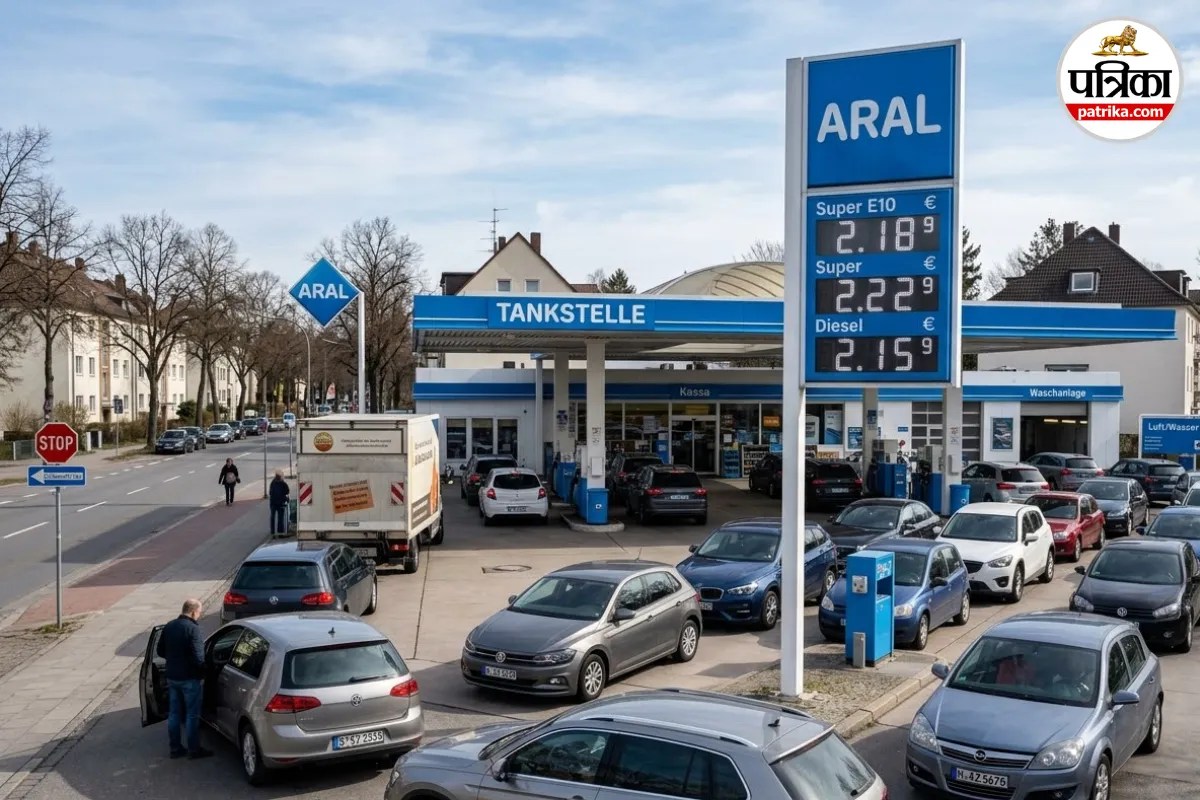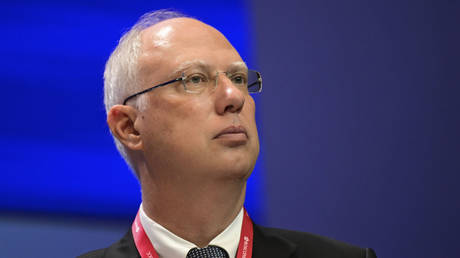
The "energy tsunami" Vladimir Chizhov warned about back in 2022 didn't just wash over Europe and recede. It fundamentally broke the way the continent powers its factories and heats its homes. While the immediate panic of blackouts has faded into the background of 2026, the structural wreckage remains. You aren't seeing the record-breaking €300/MWh spikes of the initial crisis, but the "new normal" is a bitter pill: prices that sit stubbornly 30% to 40% higher than pre-war levels.
Russia’s former envoy to the EU wasn't exactly a neutral observer, but his "tsunami" metaphor captured a grim reality. Europe traded a cheap, piped dependency on Russia for a volatile, expensive dependency on the global LNG market. We didn't solve the crisis; we just outsourced the risk to the Atlantic Ocean and the Middle East. Don't miss our earlier coverage on this related article.
The High Cost of Breaking Up
For decades, the European industrial model relied on a simple equation: cheap Russian gas equals competitive German cars and Italian chemicals. That equation is dead. When Russia slashed pipeline flows by over 80%, the EU had to scramble. We built LNG terminals at breakneck speed and signed contracts with anyone who had a spare tanker.
It worked in the sense that the lights stayed on. But it failed the "affordability" test. Pipeline gas is a utility; LNG is a commodity. When you buy LNG, you're competing with Japan, China, and South Korea in a global bidding war. Every time a storm hits the Gulf of Mexico or tensions flare in the Strait of Hormuz, your electricity bill feels the vibration. Honestly, the EU is now more vulnerable to global shifts than it ever was when the pipes were flowing. To read more about the history of this, Reuters Business provides an in-depth summary.
The Storage Trap and the 2026 Reality
If you look at the numbers today, EU gas storage levels are the heartbeat of the economy. We’ve mandated 90% fullness before every winter, but refilling those tanks is getting harder. In 2024, we actually saw a weird 18% rebound in Russian gas imports—mostly through TurkStream and LNG—because some countries simply couldn't afford the alternatives.
It’s a classic case of "addicted to the cheap stuff." While the official line from Brussels is a total phase-out by 2027, the reality on the ground is messier.
- Italy and Czechia actually increased their Russian intake recently to keep costs down.
- Energy-intensive industries like steel and fertilizer are quietly moving production to the US or China.
- Public debt is groaning under the weight of the €700 billion spent on subsidies since the crisis began.
We’re in a period of "demand destruction." That’s a fancy economist term for people and businesses just giving up. Factories aren't "saving" energy; they're closing. Families aren't "efficient"; they're cold.
The Renewable Mirage
Don't get me wrong—the surge in wind and solar is impressive. In 2025, for the first time, renewables generated more power than fossil fuels in the EU. That's a massive achievement. But there’s a catch that nobody likes to talk about over coffee: the "duck curve" and the storage gap.
When the sun isn't shining and the wind isn't blowing, we still default to gas. And because we've retired so much coal and nuclear (especially in Germany), that "back-up" gas is more expensive than ever. We've built a high-tech Ferrari of a power grid, but we're still fueling it with premium-priced champagne because we don't have enough long-duration batteries yet.
What You Should Actually Watch
Forget the political grandstanding. If you want to know if the "tsunami" is going to claim more victims, watch these three things:
- The Ukraine Transit Agreement: It’s scheduled to end, and with it, the last major trickle of Russian pipe gas through Ukraine. If that stops, Slovakia, Austria, and Hungary are going to face a price shock that will ripple across the entire internal market.
- US Export Licenses: We are now heavily dependent on American LNG. If US domestic politics shifts toward "America First" energy protectionism, Europe is in deep trouble.
- The Productivity Gap: The IMF recently noted that the energy shock shaved nearly 1% off the Eurozone's potential output. If energy stays this expensive, Europe stops being a place where you build things and starts being a place where you only design them.
Stop Waiting for the Old Prices
They aren't coming back. The era of €20/MWh gas is a historical footnote. If you're running a business or managing a household, the strategy isn't "wait for the market to settle." The strategy is aggressive electrification and efficiency.
Start by auditing your exposure to spot prices. If you're a business, look into Power Purchase Agreements (PPAs) to lock in renewable rates for the long term. For homeowners, the "payback period" for a heat pump or solar array has dropped from twelve years to about six. That’s the only way to build a personal sea wall against the next wave of the tsunami. The diplomats in Brussels can sign all the declarations they want, but energy security in 2026 is something you have to build for yourself.