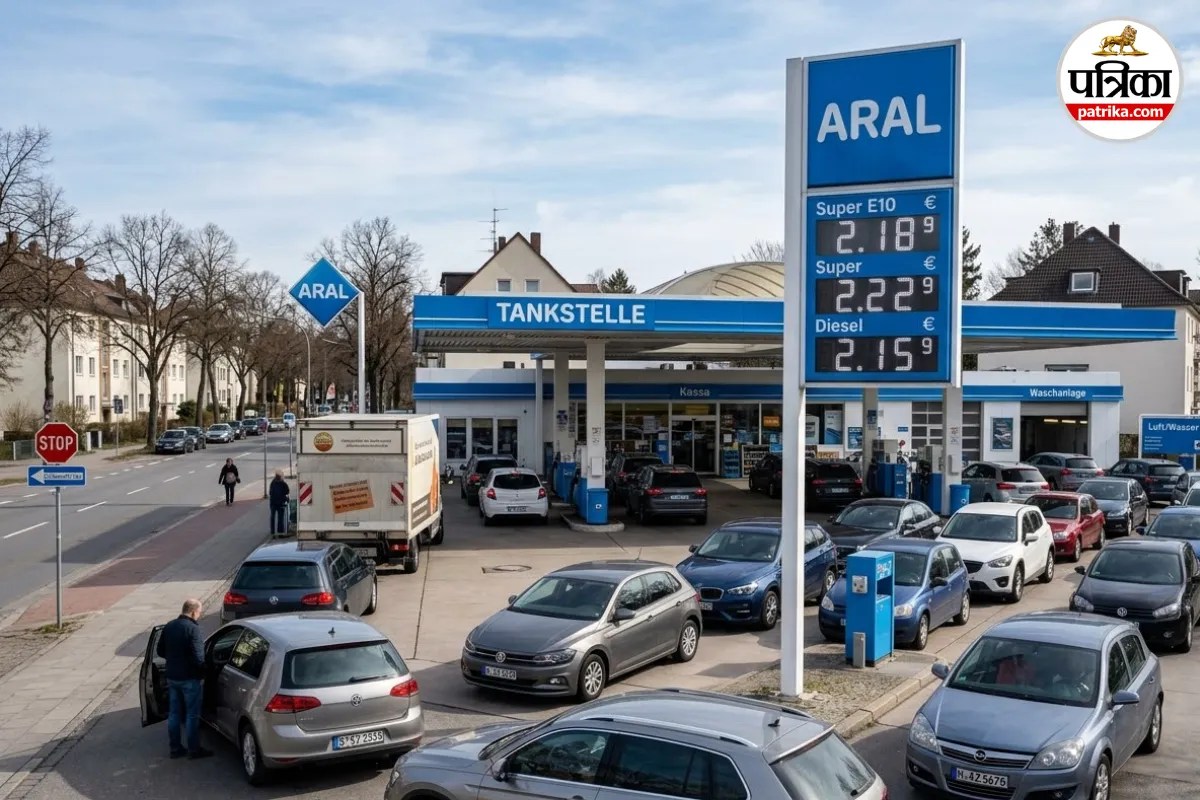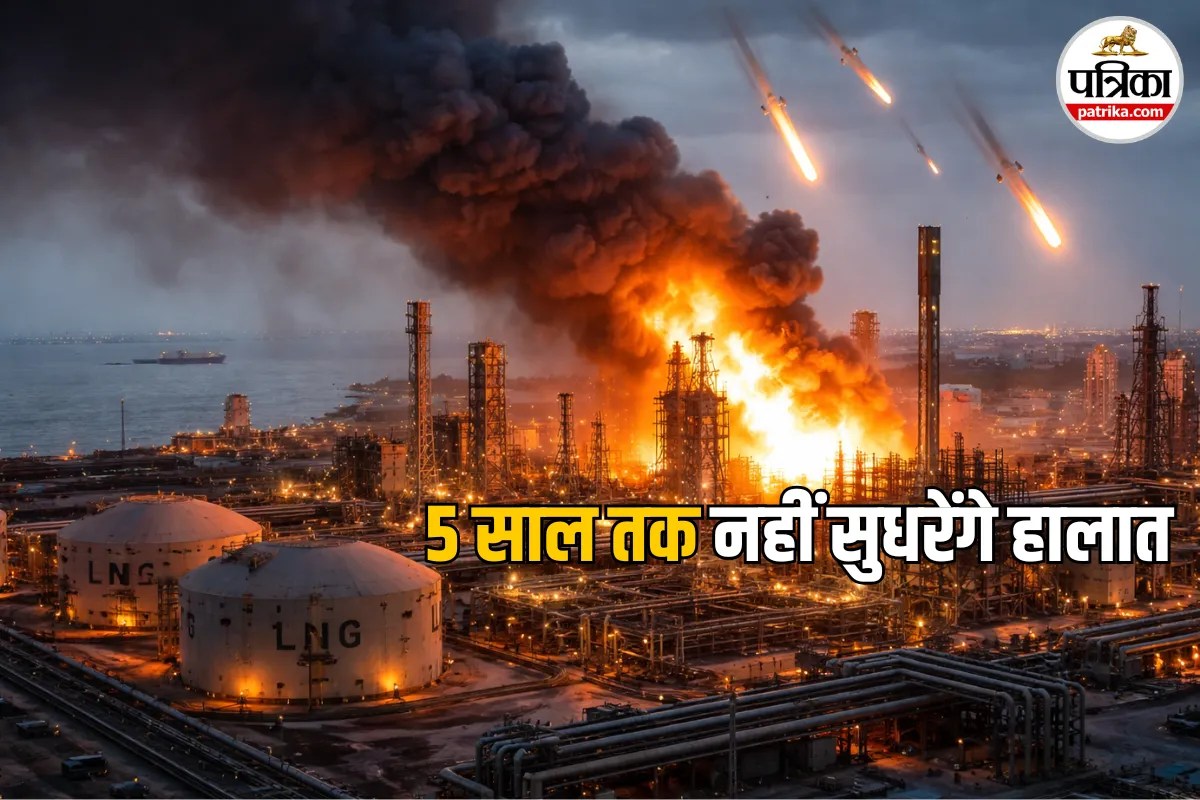
Fear sells more barrels than actual shortages. Every time a drone flies over a Middle Eastern refinery, the financial press starts dusting off their 1970s oil crisis scripts. The headlines are screaming about Iranian strikes, Qatari ruin, and a global energy collapse. They point at a 17% drop in production capacity as if it’s the first domino in a total civilizational reset.
They are wrong.
If you’re staring at the 17% figure and hyperventilating, you’ve fallen for the "Linear Supply Fallacy." You’re assuming that the global energy market is a fragile glass house. In reality, it’s a self-healing web. The narrative that an Iranian kinetic action against Qatar’s North Field or Ras Laffan infrastructure spells doom for the West isn't just exaggerated—it ignores how modern energy logistics actually work.
The 17 Percent Ghost
Let’s dismantle the math first. The "17% of global LNG" figure often tossed around refers to Qatar’s total market share. The idea that a single wave of strikes "destroys" this capacity is a fundamental misunderstanding of industrial engineering.
Liquefied Natural Gas (LNG) infrastructure is a beast of modularity. You aren't dealing with a single, massive balloon that pops. You’re dealing with "trains"—the individual liquefaction units. To take out 17% of global supply, you don’t just need a lucky hit; you need a sustained, multi-week carpet bombing campaign that bypasses some of the most sophisticated missile defense umbrellas on the planet.
I’ve seen traders lose fortunes betting on "total shutdowns" that turned into three-week maintenance delays. Infrastructure of this scale is built with redundancy in its DNA. If Train 1 goes dark, the volume is diverted, throttled, or managed through storage long before the lights go out in Berlin or Tokyo.
Why Iran Won’t Pull the Plug
The "Industry Insider" secret that nobody wants to admit in a prime-time news segment? Iran and Qatar share the South Pars/North Field. It is the largest gas field in the world.
If Iran "destroys" Qatari production through kinetic strikes on the field’s infrastructure, they risk the geological integrity of their own primary revenue source. Pressure drops don't respect international borders. Sabotaging the North Field is like shooting your neighbor in the foot while your boots are tied together.
Furthermore, the "Global Crisis" narrative assumes China will sit idly by. China is the largest buyer of Qatari LNG. Does anyone honestly believe Tehran is going to permanently cripple the energy supply of their most powerful economic lifeline? The geopolitical "experts" shouting about a total blockade of the Strait of Hormuz are living in a 1985 war game. In 2026, energy flows are dictated by Beijing’s demand, not just Tehran’s aggression.
The Misunderstood Role of the "Floating Pipeline"
The press treats LNG tankers like vulnerable sitting ducks. In reality, the LNG fleet is the most flexible energy delivery system ever devised.
When a "crisis" hits Qatar, the market doesn't just stop. It reroutes.
- Arbitrage Kicks In: Prices spike, which sounds bad, but that price signal acts as a magnet for US-based cargoes.
- The US Surplus: The United States is currently sitting on massive export capacity. A "shutdown" in Qatar simply triggers a massive shift in Atlantic-to-Pacific flows.
- Demand Destruction: High prices immediately kill off low-value industrial use, preserving supply for critical heating and power.
The system doesn't break; it optimizes.
The Myth of the Unreplaceable Qatari Molecule
We’ve heard the same song before. "Europe can't survive without [X]." First it was Russian piped gas. Then it was Qatari LNG.
Europe’s storage levels are currently at historic highs. The transition to a more fragmented, diverse energy mix means that no single point of failure—even one as large as Qatar—can trigger a systemic collapse. If Qatar goes offline for a month, the world pays a premium. They don't freeze.
The real danger isn't the physical shortage of gas. It’s the "Paper Panic."
The Financialization of Fear
The volatility we see in the Henry Hub or JKM (Japan Korea Marker) futures isn't a reflection of empty tanks. It’s a reflection of algorithms reacting to keywords. When an AI-driven trading bot sees "Iran," "Strike," and "Qatar" in the same sentence, it buys. That drives the price up.
You’re not paying for a gas shortage. You’re paying for a "Volatility Tax" imposed by panicked speculators.
Stop Monitoring the Strait, Start Monitoring the Storage
If you want to know if we are actually in trouble, stop looking at maps of the Persian Gulf. Look at the regasification rates in the Netherlands. Look at the inventory levels in Chiba, Japan.
The bottleneck in a real crisis isn't the production at the source; it's the ability of the destination to process the sudden influx of diverted cargoes. We have more than enough gas globally to cover a 17% hit for months. What we lack is the political spine to tell the public that prices will go up 10% so that we don't have to go to war.
The Contrarian Playbook
Instead of panic-selling or hoarding, the savvy move is to recognize the "Rubber Band Effect."
- Overreaction: The market prices in a "total loss" scenario.
- Reality Check: Reports surface that the damage is localized to one or two trains.
- The Snapback: Prices crater as the "missing" 17% turns out to be a temporary 4% dip in actual deliveries.
I’ve seen energy desks make more money on the recovery from a "disaster" than they ever did during the steady state. The "crisis" is a transfer of wealth from the uninformed who read the headlines to the players who understand the engineering.
The Brutal Reality of Energy Warfare
Let’s be honest about something the "humanitarian" analysts won't say: Energy infrastructure is harder to kill than people.
To "devastate" Qatar’s LNG industry, you would need to sustain a kinetic campaign that would effectively trigger World War III. Short of that, you are looking at repairable damage. Steel can be replaced. Pipes can be welded. In the time it takes for a news cycle to move on to the next outrage, the engineers in Ras Laffan will have bypassed the damaged valves and resumed flow.
The world is not ending. Your gas bill might go up for a quarter. The "Global Energy Crisis" is a headline, not a reality.
The next time you see a "17% production at risk" graphic, remember that the other 83% is still flowing, the US is waiting to fill the gap at a premium, and the "aggressor" likely owns the other half of the gas field.
Bet on the engineering. Ignore the hysteria.
Buy the dip.