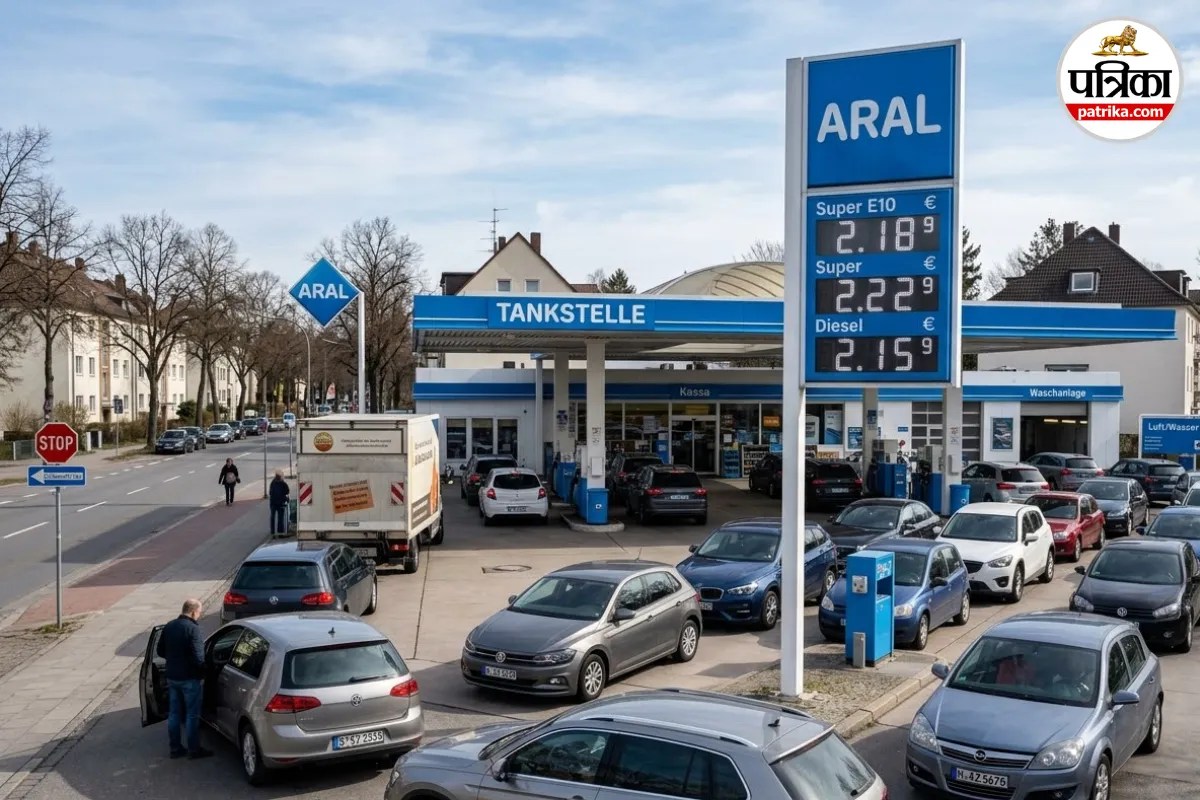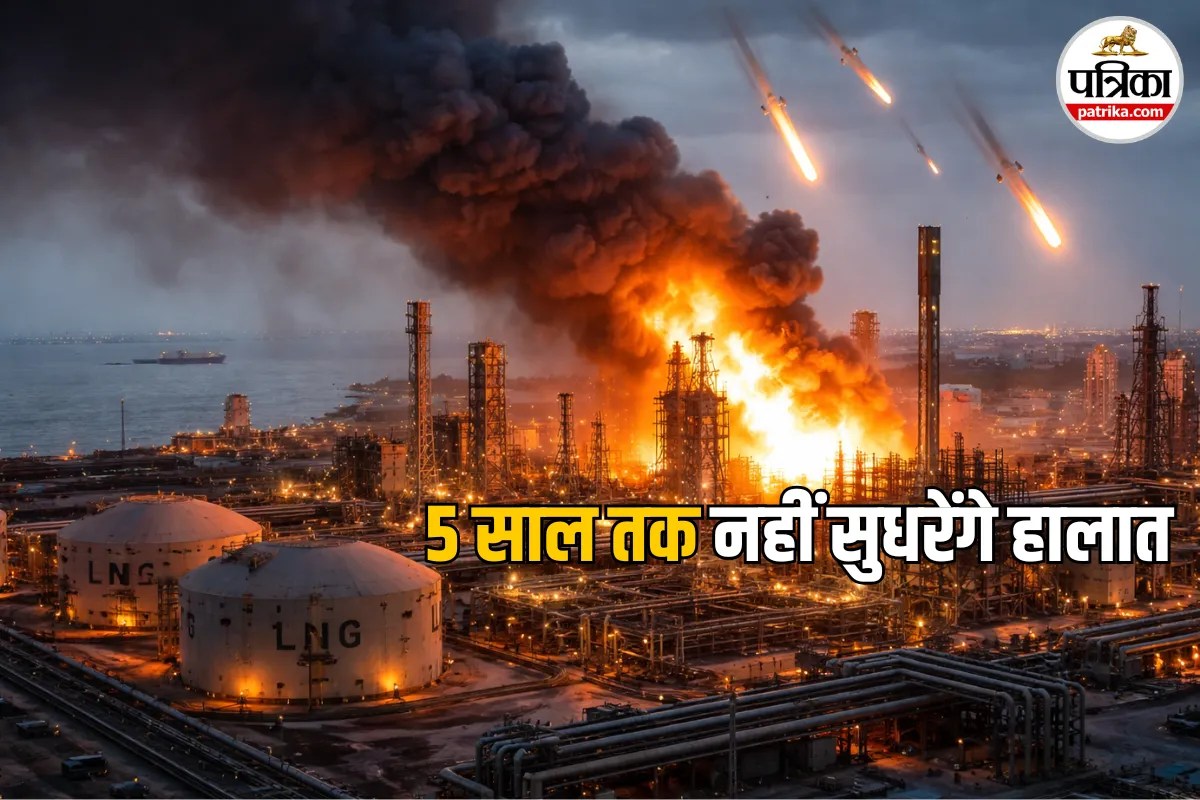
Washington’s decision to weigh the "unsanctioning" of 140 million barrels of Iranian crude currently sitting in floating storage is not an act of diplomacy. It is a desperate mechanical fix for a global energy market that has finally hit the redline. As of March 19, 2026, the Brent benchmark has torn past $115 per barrel, driven by the de facto closure of the Strait of Hormuz and the kinetic reality of Operation Epic Fury. For India, this is the most significant opening in seven years, offering a chance to break a forced abstinence from Persian Gulf heavy grades that has cost its refiners billions in lost margins and complex logistics.
The Treasury Department’s signal, delivered by Secretary Scott Bessent, suggests a 60-day window where Iranian oil "on the water" becomes legal tender. This isn't about long-term reconciliation with Tehran. It is about using Iranian barrels as a blunt force instrument to suppress prices that threaten the American domestic economy. For the Indian government, which has classified energy data as a national security matter amid the crisis, the move represents a rare alignment of interests between the Trump administration’s "Maximum Uncertainty" doctrine and New Delhi’s quest for survival.
The Ghost Fleet Becomes the Relief Valve
Since 2019, India has played the role of the obedient bystander, zeroing out its Iranian imports under the threat of CAATSA sanctions. That compliance forced a radical shift toward Russian Urals and US Permian grades. But the current war has paralyzed the primary artery for those alternatives. With the Strait of Hormuz turned into a combat zone, the 140 million barrels already loaded and sitting near Malaysia and Singapore represent the only "ready-to-pour" volume that can reach Indian shores without navigating the immediate bottleneck of the Persian Gulf.
These barrels are currently part of the so-called "Ghost Fleet"—tankers that have spent months engaging in ship-to-ship transfers to mask their origin. By "unsanctioning" this specific waterborne volume, the US is effectively laundering the very oil it sought to ban. The goal is simple: flood the market with 10 to 14 days of global supply to break the speculative fever. For Indian refiners like Reliance and IOCL, the math is irresistible. Iranian Light and Heavy grades are perfectly calibrated for Indian refinery configurations, requiring far less processing energy than the sour Russian blends they have been forced to settle for.
Why the Discount Era is Over
While the headlines scream "relief," the internal reality for New Delhi is more complex. In the "Maximum Pressure" years, Iran offered India deep discounts, extended credit windows, and free shipping. Those days are gone. If the US allows these barrels to move, they will likely do so under a "Managed Escrow" model. The US Treasury intends to demand that payments be made into controlled accounts, accessible only for humanitarian goods—a condition Tehran is already signaling it will reject.
India finds itself in a pincer move. On one side, it needs the volume to stabilize domestic pump prices. On the other, it cannot pay in Greenbacks without triggering the very sanctions the US claims to be "easing." The likely workaround is a revival of the Rupee-Rial mechanism, but even that is fraught. Unlike 2018, the 2026 conflict has seen Iran targeting regional LNG hubs and oil infrastructure, including the South Pars field. This has destroyed the "neutrality" of the trade. Every barrel India buys now carries a heavy political surcharge.
The Russian Comparison
To understand the scale, one must look at the recent Russian pivot. Before 2022, Russian crude was less than 1% of India’s basket. By early 2026, it hit 40%.
- Volume: India has been consuming roughly 1.1 million barrels per day of Russian crude.
- Compatibility: Russian Urals require heavy blending; Iranian grades are "plug-and-play" for Mumbai and Jamnagar.
- Risk: Russian oil is currently a logistical nightmare due to the Red Sea crisis; Iranian floating storage is already in Asian waters, essentially "pre-delivered."
The Tactical Failure of Universal Sanctions
The reality that the Trump administration is even considering this move exposes a hard truth: sanctions are a finite resource. When you sanction the world's largest gas producer (Russia) and then attempt to decapitate the third-largest oil holder (Iran), the global economy doesn't just bend; it breaks. The "unsanctioning" is a tactical retreat disguised as a policy shift.
India’s Ministry of External Affairs is currently navigating a razor-thin corridor. To take the Iranian oil is to hand a victory to the domestic refining lobby and provide immediate relief to the Indian consumer. However, it also means becoming a primary financier of a regime that is currently in a direct kinetic exchange with a key Indian partner, Israel.
The logistical hurdles remain formidable. Even if the US "unsanctions" the oil, the insurance industry is not a light switch. Major maritime insurers like Lloyd's of London maintain strict protocols that add 2% to 5% in additional premiums for "conflict-affected" cargo. India may have to rely on its own state-backed insurance covers to move these 140 million barrels, effectively taking the full sovereign risk of the voyage.
A Two Week Breathing Room
Bessent was candid: this is a move to "keep the price down for the next 10 or 14 days." This is not a strategy; it is a bandage. For India, the long-term play remains the diversification of the Strategic Petroleum Reserve (SPR). New Delhi has been aggressively filling its underground caverns, but the current burn rate far exceeds the replenishment capacity while the Strait is contested.
The 140 million barrels represent a temporary ceasefire in the economic war. If the "unsanctioning" proceeds, expect a massive, frantic surge in Indian port activity as refiners race to grab these "homeless" barrels before the US policy shifts again—as it often does under the current administration’s "Maximum Uncertainty" banner. This is a predatory market where only the fastest movers will survive the coming price shocks.
Would you like me to analyze the specific impact of the South Pars field strikes on India's long-term LNG supply contracts?