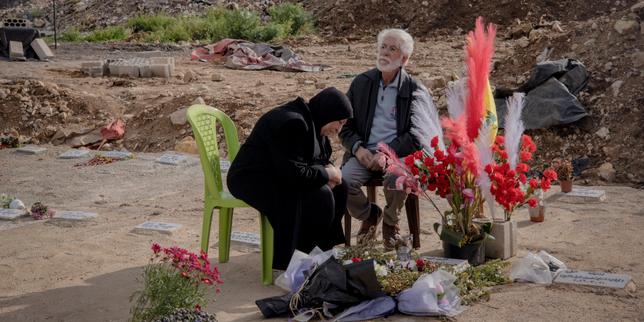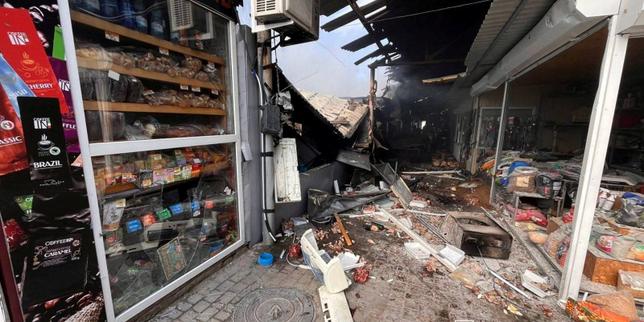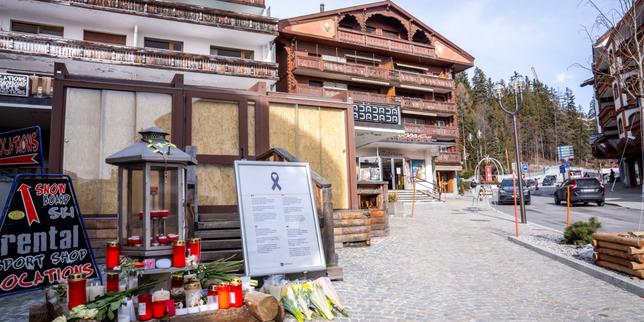
The luxury chalets of Crans-Montana are built on the image of total security, but a recent legal battle over a fatal fire is stripping away that veneer. At the heart of the dispute is a simple, haunting request: the release of the emergency call recordings placed during the blaze. While local authorities have resisted, citing privacy and procedural secrecy, the families of the victims and their legal representatives are now turning to the courts to force the hand of the state. This isn’t just a local dispute over a tragedy. It is a fundamental challenge to the way Swiss emergency services operate under the veil of administrative protection.
When a fire broke out in a residential building in this high-altitude haven, the response time of the local fire brigade became the immediate focus of public scrutiny. Witnesses claimed the intervention was sluggish. The dispatchers, however, maintain that every protocol was followed to the letter. Between these two conflicting accounts lie the audio recordings of the 118 calls—the raw, unfiltered data of a crisis in progress. By seeking judicial intervention to make these tapes public, the plaintiffs are attempting to bypass a system that traditionally favors institutional silence over public accountability.
The Wall of Silence in the Valais
Switzerland operates on a bedrock of discretion. In the Canton of Valais, this discretion often borders on the absolute when it relates to the conduct of public officials and emergency responders. The legal maneuver currently underway aims to puncture that tradition. The lawyers representing the victims’ families argue that the right to information, specifically regarding the efficiency of public services, outweighs the administrative desire to keep investigative files closed during a preliminary inquiry.
The push for transparency reveals a deep-seated distrust. In many modern jurisdictions, emergency logs are considered public record or are at least readily available to the parties involved in a lawsuit. In the Valais, these recordings are treated as sensitive state assets. The refusal to release them has fueled a narrative that there is something to hide—perhaps a delay in dispatch, a misunderstanding of the geography, or a failure in the communication chain between the central dispatch and the local Crans-Montana units.
Broken Chains of Communication
Mountain firefighting is a logistical nightmare. The steep terrain, narrow access roads, and the seasonal nature of the population in Crans-Montana mean that emergency services must be perfect to be effective. If a call comes in from a tourist who doesn't know their exact address, or if a dispatcher is unfamiliar with the specific shortcuts of a resort town, minutes evaporate.
The tapes would reveal the exact timestamp of the first alert. They would show whether the dispatcher asked the right questions or if the caller was left on hold while the fire spread through the timber-heavy architecture. Auditing these calls is the only way to determine if the tragedy was an act of God or a failure of the state.
Critics of the current system point out that the Canton's emergency infrastructure has struggled to keep pace with the rapid development of the resorts. While the luxury tax revenue flows into the municipal coffers, the investment in high-tech, rapid-response dispatch systems hasn't always matched the rate of construction. The legal battle over the tapes is, in many ways, an audit of the entire Alpine safety apparatus.
The Privacy Argument as a Shield
The official reason for withholding the tapes usually centers on the privacy of the victims and the dispatchers. It is a convenient shield. While it is true that emergency calls contain distressing audio and personal information, redacting such details is a standard procedure in most of the Western world. The blanket refusal suggests a deeper systemic aversion to external oversight.
By framing this as a privacy issue, the authorities shift the focus away from their own performance. They turn a question of public safety into a question of ethics, banking on the Swiss public's natural respect for individual boundaries. But the families argue that their privacy is already shattered; what they lack is the truth. They are not looking for a "gotcha" moment for a stressed-out dispatcher. They are looking for evidence of whether the structural response was adequate.
Technical Failures or Human Error
In the high-stakes environment of an emergency room or a dispatch center, human error is an accepted risk. However, technical failures are often more damning because they represent a known vulnerability that was ignored. There are lingering questions about the compatibility of the communication systems used by different cantonal agencies. If the 118 calls were routed through a central hub that then struggled to relay precise GPS data to the Crans-Montana responders, the fault lies with the technology and the people who bought it.
The recordings will provide the "acoustic fingerprint" of the response. We will hear the background noise, the sirens, and the level of urgency in the responders' voices. In a court of law, these details are more than just dramatic; they are evidence of whether the response met the legal standard of "due diligence."
A Precedent for Alpine Accountability
The outcome of this legal challenge will reverberate far beyond the borders of Crans-Montana. If the court sides with the families and orders the release of the calls, it sets a new standard for transparency in Switzerland. It signals that the "Black Box" of emergency services is no longer off-limits to the public.
Resort towns across the Alps are watching this closely. Places like Verbier, Zermatt, and St. Moritz face the same challenges: high density, wooden structures, and a reliance on a mix of professional and volunteer responders. A victory for the plaintiffs here would mean that every dispatch center in the country would suddenly be subject to a higher degree of accountability. They would have to operate with the knowledge that their every word could eventually be played back in a courtroom or printed in a newspaper.
The Human Cost of Delay
While the lawyers argue over statues and procedural codes, the human element of the Crans-Montana fire remains the most potent part of the story. For those who lost loved ones, the silence of the state is a second trauma. Every day that the tapes remain locked in a vault is a day that the families are denied closure. They are left to wonder if their relatives might still be alive if a different button had been pressed or a different route had been taken.
This isn't about vengeance. It is about a fundamental right to know how the state functions in the moments when its citizens are most vulnerable. The luxury of the Swiss Alps is predicated on the idea that everything works perfectly, from the ski lifts to the fire hydrants. When that perfection fails, the mask has to come off.
The judicial system now has a choice. It can protect the traditional anonymity of the administration, or it can uphold the modern requirement for public accountability. If the tapes stay hidden, the suspicion will only grow, potentially damaging the reputation of Crans-Montana more than the truth ever could. The only way to restore faith in the system is to let the public hear exactly what happened during those critical minutes.
Demand that your local representatives clarify the protocols for the release of emergency data before a crisis occurs in your own district.