The standoff between Washington and Tehran just took a dark, cinematic turn that feels less like diplomacy and more like a final ultimatum. President Donald Trump isn’t mincing words anymore. He’s threatening to "obliterate" Kharg Island—the absolute crown jewel of Iran’s oil infrastructure—if a deal isn’t reached "shortly."
While Trump claims "great progress" is being made with a "more reasonable regime" in Tehran, the Iranians are singing a completely different tune. They’ve labeled the latest U.S. peace proposals as "unrealistic, illogical, and excessive." It’s a classic case of two sides looking at the same map and seeing two different planets. If you’re wondering why your gas prices are creeping up or why the news feels particularly heavy this week, this is why. We’re staring down the barrel of a total energy shutdown in the Persian Gulf.
The Kharg Island Ultimatum
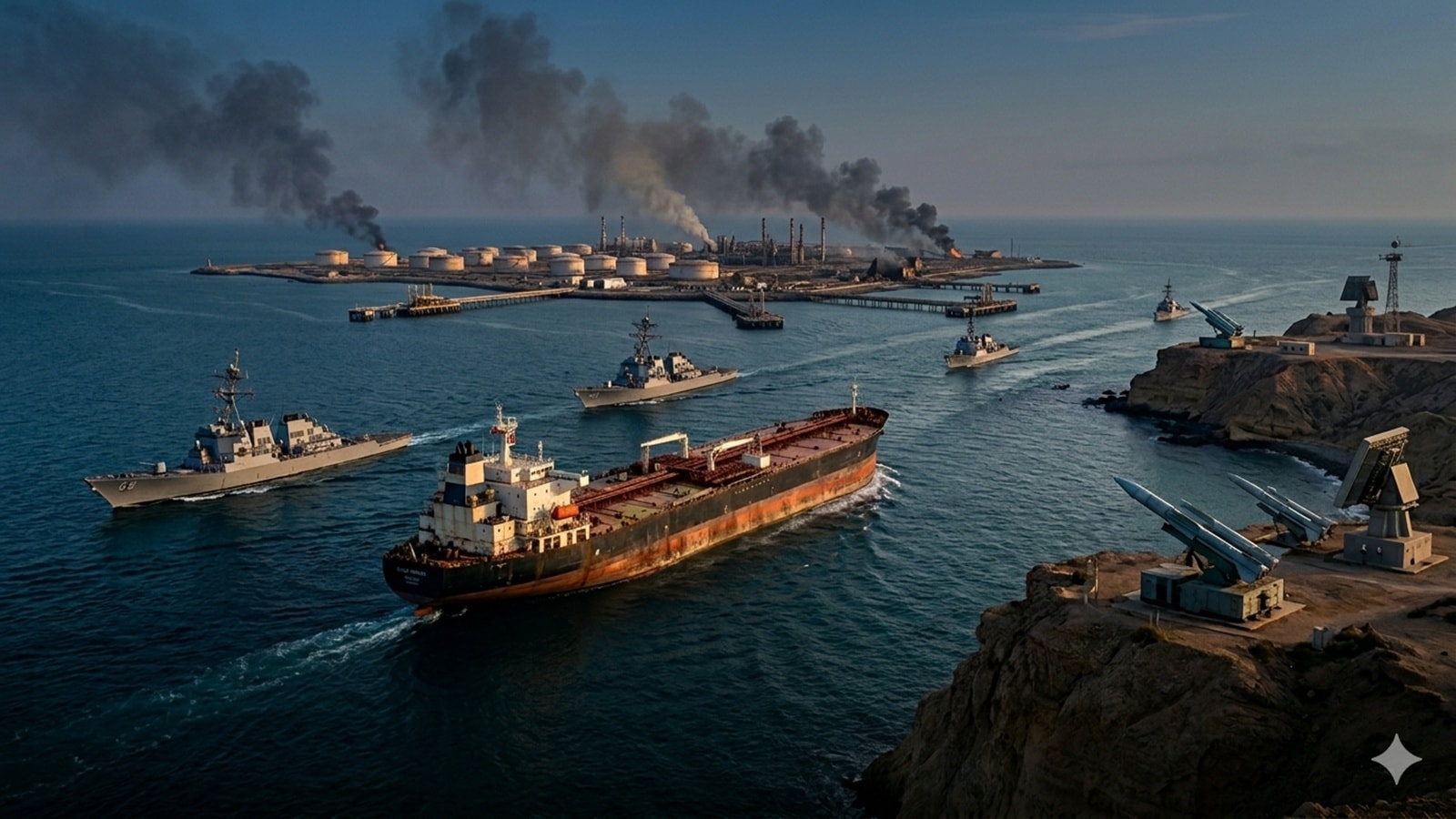
Kharg Island isn’t just some tiny speck of land. It’s the terminal through which nearly all of Iran’s crude oil exports flow. If it goes, Iran’s economy doesn’t just stumble; it ceases to exist in its current form. Trump’s latest Truth Social post was vintage Trump: a mix of "everything is going great" and "I will blow everything up."
He’s given a deadline of April 6. Until then, he says he’s pausing attacks on energy plants to give negotiations a chance. But the catch is the Strait of Hormuz. Trump wants it "Open for Business" immediately. Iran, meanwhile, has been using its grip on that waterway as its only real leverage against U.S. and Israeli airstrikes that have already gutted much of its leadership.
Why Iran Calls the 15-Point Plan Unrealistic
You might be asking what’s actually in this "peace proposal" that Iran finds so offensive. While the full document hasn't been leaked, we know it’s a 15-point framework delivered via Pakistan. According to Iranian Foreign Ministry spokesperson Esmaeil Baghaei, the demands are basically a request for total surrender.
- Nuclear Exit: Demands for Iran to fully abandon enrichment and potentially exit the Nuclear Non-Proliferation Treaty.
- Regional Retreat: A total halt to support for groups like Hezbollah and the Houthis.
- The "New Regime" Factor: Trump keeps insisting he’s talking to a "new, more reasonable" group of leaders after the chaos of the last month. Tehran denies direct talks even exist.
For the Iranians, agreeing to these terms while U.S. troops are landing in the region feels like signing their own death warrant. Foreign Minister Abbas Araghchi has been blunt: talking now is "an admission of defeat."
The Risk of Retribution
Trump’s rhetoric isn't just about oil; it’s about "retribution." He’s explicitly linked potential strikes on power plants and desalination facilities to the "47-year reign of terror" and the deaths of American soldiers. This shifts the goalposts from a tactical military operation to something much more personal and permanent.
The danger here is the "spoiler problem." Even as some officials in Washington express cautious hope, the military reality is escalating. We’ve got thousands of soldiers from the 82nd Airborne Division arriving. We’ve got an amphibious task force led by the USS Tripoli in the area.
If Trump follows through on the threat to "do a number" on Kharg Island, analysts expect Iran to go for the "scorched earth" option. This could mean carpet-bombing their own territory to stop a ground invasion or launching a massive retaliatory strike on the energy infrastructure of neighboring Gulf states like Saudi Arabia and Kuwait. We’ve already seen a glimpse of this with recent strikes on a Kuwaiti electrical plant.
What This Means for the Global Economy
We’re already seeing the fallout. Brent crude has been dancing around the $100 to $126 per barrel range. Shipping insurance for the Strait has jumped six-fold. This isn't just a local spat; it’s a global energy shock that makes previous crises look like minor hiccups.
If the "oil island" is obliterated, the world loses millions of barrels of supply instantly. While U.S. Treasury Secretary Scott Bessent says the global supply is "adequate," markets aren't buying the optimism. They see a President who is willing to "take the oil" and a regime in Tehran that feels it has nothing left to lose.
The next few days leading up to the April 6 deadline are the most critical we've seen in decades. You should keep a close eye on the movement of the USS Tripoli and any official statements from the Pakistani mediators. If the "10-day pause" expires without a signature, the map of the Middle East might look very different by next week. Keep your gas tank full and your eyes on the headlines—this is moving fast.