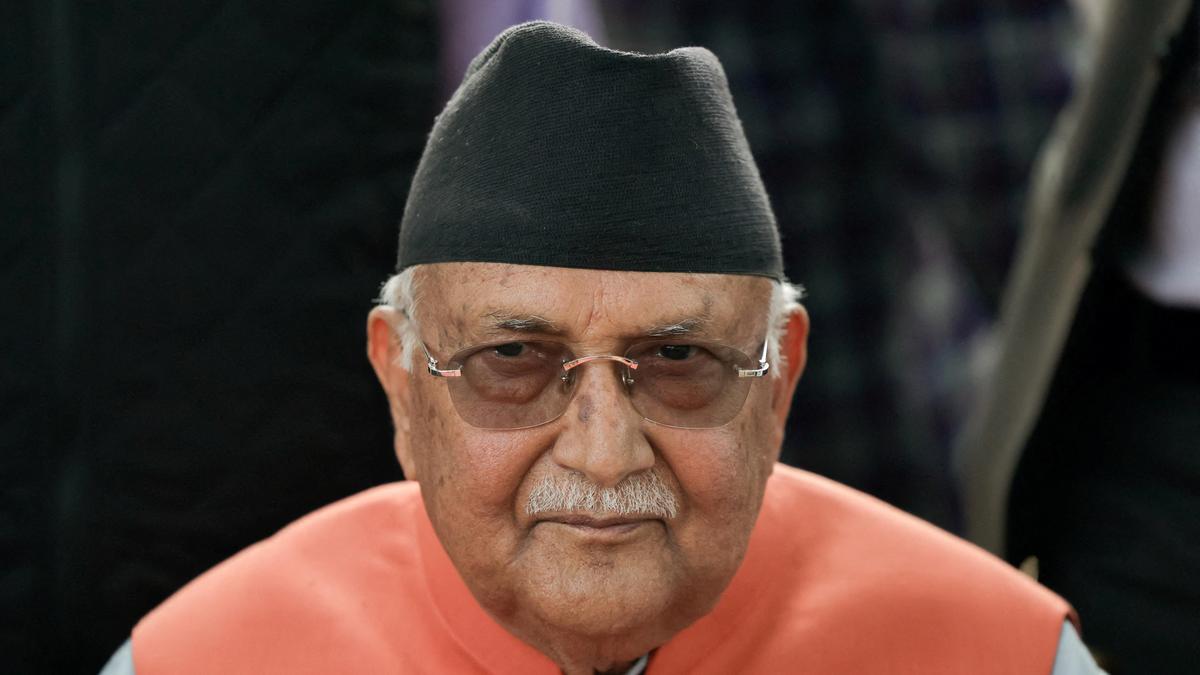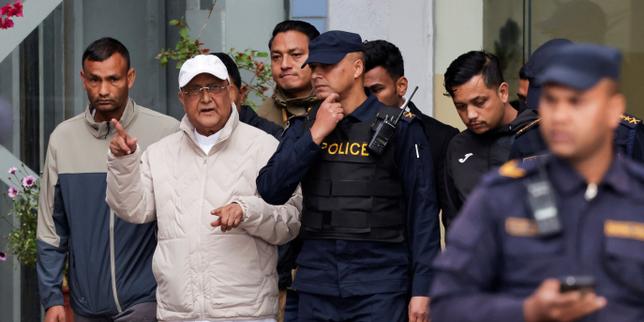
The headlines are singing a familiar, deceptive tune. They tell you that the arrest of former Prime Minister K.P. Sharma Oli for the suppression of the September protests is a victory for human rights, a milestone for accountability, and a cleansing of the Nepali political stable. They are wrong. This isn't justice. This is a targeted demolition of the only structural integrity Nepal has left.
If you believe this move by the current administration is about the blood spilled in the streets of Kathmandu, you haven't been paying attention to how power actually moves in the Himalayas. This is a high-stakes purge disguised as a moral crusade. By removing Oli, the current coalition hasn't saved the republic; they have effectively opened the door for a decade of institutional chaos.
The Myth of the "Clean" Successor
The competitor narrative suggests that by removing the "strongman," the system naturally returns to a state of democratic equilibrium. That is a fantasy. In Nepal, politics is a zero-sum game played with the gears of the judiciary and the police.
When you arrest a former head of state on charges related to protest suppression, you aren't just punishing a man. You are criminalizing the act of governance in a volatile state. Every Prime Minister in Nepal’s history since the 2006 Comprehensive Peace Accord has presided over protests that turned violent. If "suppression" is the new bar for incarceration, the rotating door of the Prime Minister’s office will lead straight to a prison cell for every leader of the Nepali Congress and the Maoist Center alike.
I have watched these cycles play out in emerging democracies for twenty years. When the law becomes a weapon used by the winner to decapitate the loser, the loser stops playing by the rules of the law.
Stability is Not a Luxury
The West loves to preach about the "rule of law" in countries like Nepal without acknowledging the prerequisite: State Capacity. Nepal is currently wedged between two giants—China and India—each vying for infrastructure dominance and security guarantees. Oli, for all his polarizing rhetoric, understood the leverage of the "neutrality play." He played Beijing against New Delhi with the cynical precision of a grandmaster.
By removing the primary architect of this balancing act under the guise of human rights violations, the current government has signaled to foreign investors that the "Permanent State" in Nepal does not exist. Why would a sovereign wealth fund or a multinational energy firm sign a 30-year hydropower agreement with a government that might be in handcuffs three years from now?
The "Lazy Consensus" says: Justice must be served regardless of the political cost.
The Reality: In a developing nation, when the political cost is total systemic collapse, "justice" is just another word for a coup.
The Mathematics of Discontent
Let’s look at the numbers the mainstream media ignores. The September protests weren't just about "democracy." They were fueled by a $3.5 billion trade deficit and an inflation rate that has gutted the middle class.
The current administration is using Oli’s arrest as a massive shiny object to distract from the fact that they have no plan to fix the economy. It is the oldest trick in the book: when you can't provide bread, provide a circus where the former kingpin is the main attraction.
The Suppression Paradox
- Oli’s Action: Deploying police to maintain order during a period of civil unrest.
- The Result: Tragic loss of life and international condemnation.
- The Precedent: If a leader is arrested for "failure to prevent violence" during a riot, no future leader will have the authority to command the security forces.
- The Fallout: Security forces, fearing future prosecution, will hesitate during the next inevitable crisis. That hesitation is where civil wars start.
Dismantling the "People Also Ask" Delusions
"Will this arrest strengthen Nepali democracy?"
No. It weakens the opposition. A democracy without a viable, safe opposition is just a single-party state with extra steps. If the leader of the CPN-UML can be snatched because of policy decisions made during an emergency, the incentive for the opposition to participate in the parliamentary process vanishes. They will take to the streets instead.
"Does this signal an end to impunity?"
It signals the beginning of "selective impunity." True accountability would involve a Truth and Reconciliation Commission that actually functions, addressing the 17,000 deaths from the civil war era—many of which sit on the hands of the very people who ordered Oli’s arrest. This isn't about ending impunity; it's about monopolizing it.
The High Cost of Moral Posturing
I've seen this play out in the halls of the UN and in the backrooms of South Asian embassies. The international community will issue a "guardedly optimistic" statement. They love the optics of a former leader in a dock. It looks like progress.
But they don't live in the power vacuum that follows. They don't deal with the fractured police units or the radicalized youth wings of the UML who now see the state as an illegitimate kidnapper.
The technical term for what is happening is Lawfare. It is the use of legal systems to damage or delegitimize an opponent. While it is a trendy tool in modern politics, in a country like Nepal, it is akin to playing with a blowtorch in a fireworks factory.
The Strategy for Survival
If you are an investor, a diplomat, or a citizen, you need to stop looking at the "justice" of the arrest and start looking at the security of the succession.
- Identify the real power brokers: The arrest was likely greenlit by a coalition of internal rivals who fear Oli’s return in the next election. Their grip is tenuous.
- Watch the security apparatus: If the army remains silent, Oli is done. If there are flickers of dissent in the mid-level officer ranks, the arrest will be overturned within months by a "judicial review" that is actually a negotiated surrender.
- Ignore the "Human Rights" noise: Focus on the constitutional amendments. The goal of this arrest is to clear the path for changes to the electoral system that will keep the current incumbents in power indefinitely.
We are told that no one is above the law. That sounds great on a bumper sticker. But in the real world of geopolitical survival, the law is often just the latest press release from the person holding the keys to the jail.
By cheering for the arrest of Sharma Oli, the "pro-democracy" crowd is unwittingly celebrating the death of the very stability required for democracy to function. They have traded a difficult leader for a guaranteed crisis.
Don't mistake the sound of a closing cell door for the sound of progress. It is the sound of the trap snapping shut on Nepal’s future.
Stop asking if Oli is guilty. Start asking who benefits from the vacuum his absence creates. If you can't see that this is a tactical strike rather than a moral triumph, you are the mark in this game.
Pack your bags for a long period of unrest. The "settled" politics of the last decade just went out the window with the arrest warrant.
Would you like me to analyze the specific economic shifts in the Himalayan trade corridor following this political destabilization?