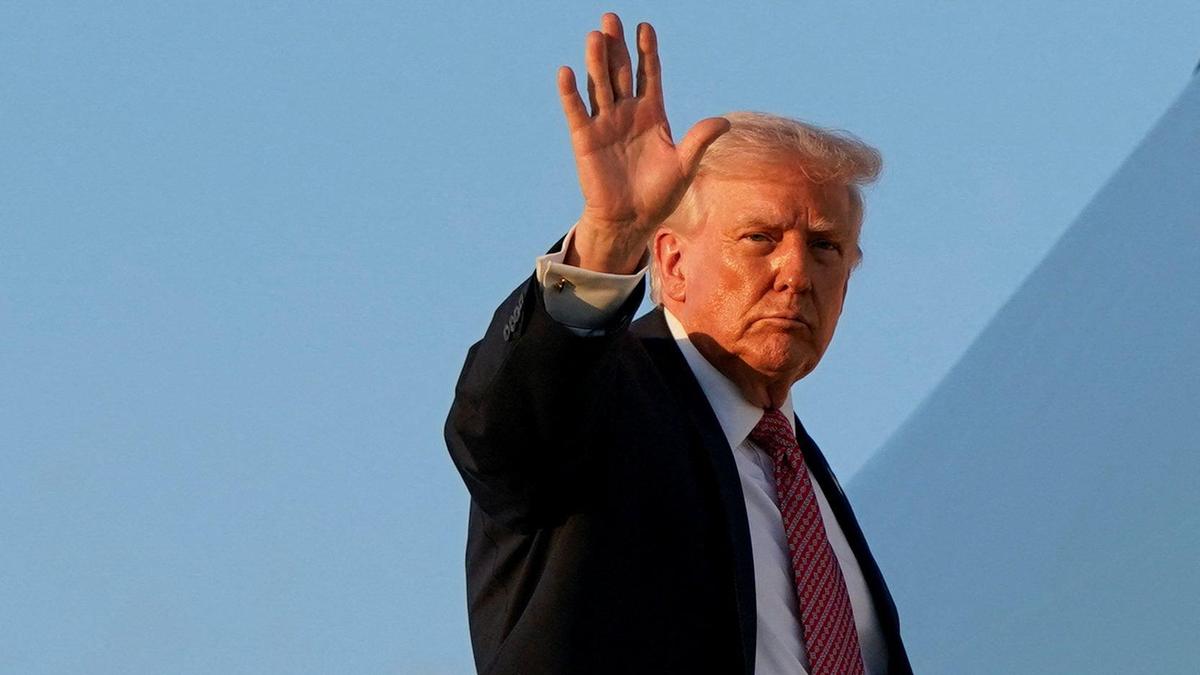
Donald Trump wants to be the man who ended the forever wars, yet his administration finds itself on the precipice of the very regional conflagration he campaigned against. This is the central paradox of the Trumpian foreign policy. He views global conflict through the lens of a real estate developer looking for a distressed asset to flip. To Trump, war is a bad investment with low ROI and high overhead. Peace, by contrast, is the ultimate branding opportunity. He has explicitly stated that he would love his legacy to be defined as that of a "great peacemaker," a title that carries more historical weight than any skyscraper or golf resort.
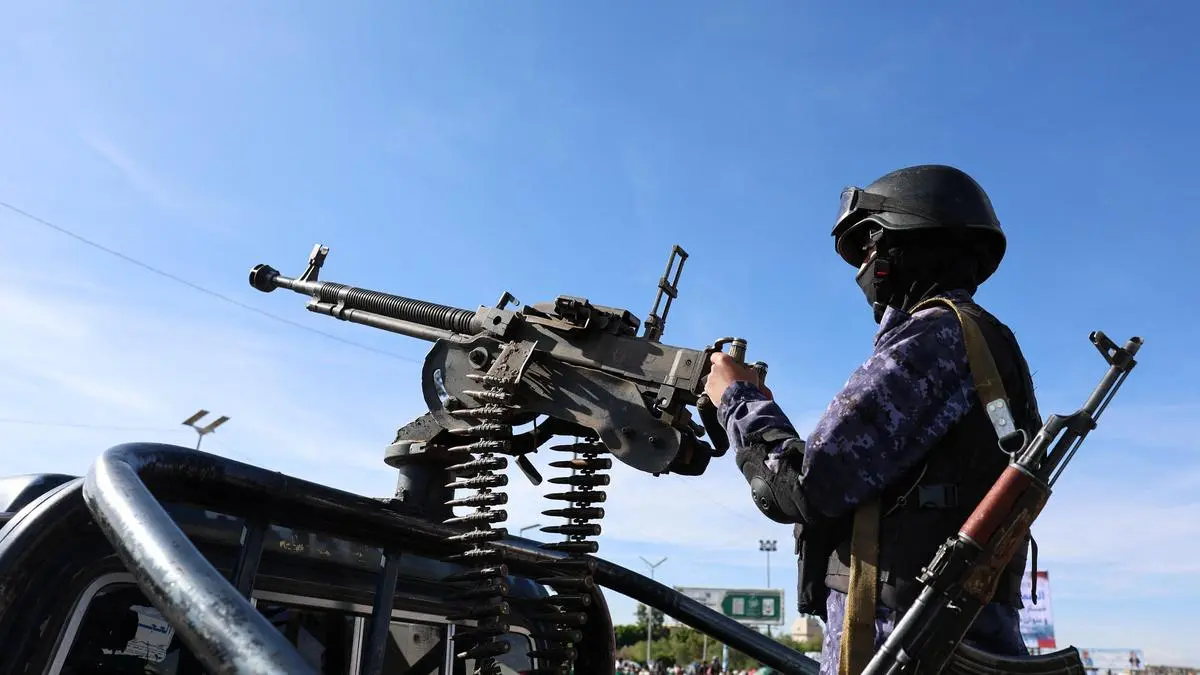
The friction lies in the execution. While the President seeks the prestige of a Nobel Prize-caliber resolution, his administration’s "maximum pressure" campaign against Tehran has created a volatile environment where a single tactical misstep could trigger a full-scale military engagement. This isn't just about rhetoric. It is about the fundamental clash between a leader who wants to exit the Middle East and a geopolitical strategy designed to squeeze his primary adversary in the region until they break.
The Economic Engine of Foreign Policy
For decades, the American approach to the Middle East was dictated by a combination of neoconservative idealism and liberal interventionism. Trump dismantled both. He views alliances as protection rackets and trade deficits as lost territory. When he looks at Iran, he doesn't see a "rogue state" in the traditional sense; he sees a competitor that is hurting his bottom line and the stability of global energy markets.
The "great peacemaker" ambition is rooted in the belief that everything is negotiable. If you apply enough pain, the other side will eventually come to the table. This is the logic of the Atlantic City boardroom applied to the Persian Gulf. By withdrawing from the Joint Comprehensive Plan of Action (JCPOA) and re-imposing biting sanctions, the administration sought to drain Iran’s coffers. The goal was to force a new, more comprehensive deal that covers not just nuclear enrichment, but also ballistic missiles and regional proxy wars.
The problem with applying corporate negotiation tactics to sovereign states is that countries don't go bankrupt and disappear. They lash out. We are seeing the result of this pressure in the shipping lanes of the Strait of Hormuz and the downed drones over international waters. Trump’s desire for a deal is genuine because a deal represents a "win." But in the Middle East, a win for one side is often perceived as an existential threat to the other.
Internal Frictions and the War Cabinet
You cannot understand the current tension without looking at the divide within the West Wing. On one side, you have the President, who is instinctively isolationist. He remembers the cost of Iraq and the quagmire of Afghanistan. He promised his base that he would stop spending American blood and treasure on "stupid wars."
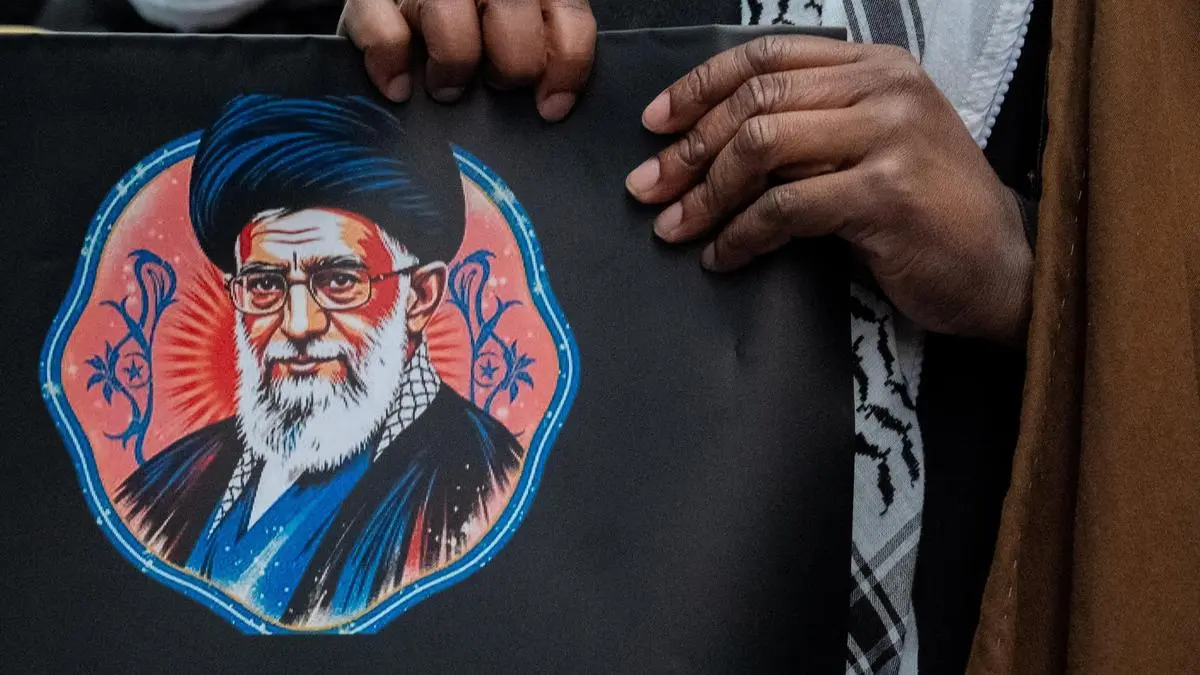
On the other side are the hawks. These are the advisors who believe that the only language Tehran understands is force. They see the "peacemaker" rhetoric as a weakness that the Iranian Revolutionary Guard Corps (IRGC) will exploit. This internal tug-of-war creates a policy of strategic ambiguity that often looks like simple confusion. One day the President is threatening "obliteration," and the next he is offering to meet with Supreme Leader Ali Khamenei with no preconditions.
This inconsistency is a feature, not a bug, of the Trump style. He likes to keep his opponents off-balance. However, in a high-stakes military standoff, being unpredictable can lead to a catastrophic miscalculation. If the Iranians believe the President is bluffing about military action because of his desire for peace, they may push too far. If the hawks believe the President will eventually sign off on a strike, they may present him with an escalatory ladder that has no off-ramp.
The Missing Diplomatic Infrastructure
A "great peacemaker" needs more than a desire for a legacy; they need a diplomatic machine. Currently, the State Department is significantly understaffed in key regional positions. The back-channel communications that usually prevent localized skirmishes from turning into wars are frayed or non-existent.
Most successful peace treaties in history—from the Camp David Accords to the Dayton Agreement—were the result of thousands of hours of low-level bureaucratic spadework. Trump, however, prefers the "Big Play." He wants the summit, the handshake, and the cameras. He believes his personal charisma and the sheer weight of American economic power can bypass the traditional diplomatic process. This worked to a degree with the Abraham Accords, which realigned Israel and several Arab nations, but Iran is a far more complex and hostile actor.
The Specter of 2024 and the Domestic Audience
Politics never stops at the water's edge. The President knows that a new war in the Middle East would be a disaster for his reelection prospects. Gas prices would spike, the stock market would tumble, and the "America First" narrative would be shredded. His base didn't vote for him to start a war with Iran; they voted for him to rebuild Ohio and Pennsylvania.
Tehran knows this too. They are betting that the President’s desire for a "peace legacy" makes him averse to a long-term conflict. They are testing the limits of his "red lines," trying to see how much pressure they can apply to the global oil supply before Washington blinks. It is a dangerous game of chicken where both sides are convinced the other is more afraid of a crash.
The "great peacemaker" label is a shield against accusations of warmongering. By framing his intentions as peaceful, Trump places the burden of any potential conflict squarely on the shoulders of the Iranians. It is a brilliant bit of public relations, but it doesn't change the reality on the ground. The sanctions are real, the naval deployments are real, and the potential for a spark to light the tinderbox is higher than it has been in decades.
Beyond the Nuclear Question
To truly earn the title of peacemaker, the administration would have to address the underlying regional grievances that have fueled conflict for forty years. This includes the cold war between Saudi Arabia and Iran, the civil war in Yemen, and the role of Hezbollah in Lebanon.
The current strategy focuses almost exclusively on the nuclear program and economic strangulation. While these are potent levers, they do not constitute a peace plan. They are tools of coercion. A real peace would require a grand bargain that gives Iran a path back into the global economy in exchange for a total retreat from its regional ambitions. Given the current ideological makeup of the regime in Tehran, such a deal seems like a fantasy.
The Risk of the Accidental War
History is littered with leaders who wanted peace but found themselves in the middle of a war they didn't know how to stop. The assassination of Archduke Franz Ferdinand didn't immediately lead to World War I; a series of rigid alliances and "maximum pressure" diplomatic failures did.
In the current context, a tactical error—a stray missile, a misunderstood signal in the Gulf, or a cyberattack that goes too far—could force the President's hand. If he doesn't respond, he looks weak, which is the one thing Donald Trump cannot tolerate. If he does respond, he risks the very war that would destroy his legacy.
The pursuit of the "peacemaker" title is a noble goal, but it requires more than a brand identity. It requires a disciplined, multi-lateral approach that balances strength with a clear, realistic path for the adversary to save face. Without that path, the pressure will continue to build until the vessel bursts.
We are watching a high-stakes gamble where the "Art of the Deal" meets the brutal reality of Middle Eastern power politics. The President is betting that he can squeeze Iran until they have no choice but to give him the legacy he craves. But in the desert, the wind often blows in directions that no one, not even a "great peacemaker," can predict.
Watch the price of Brent crude and the movement of carrier strike groups. Those are the only metrics that matter right now. If the sanctions don't lead to a table, they will eventually lead to a trigger. There is no middle ground in a vacuum of diplomacy.