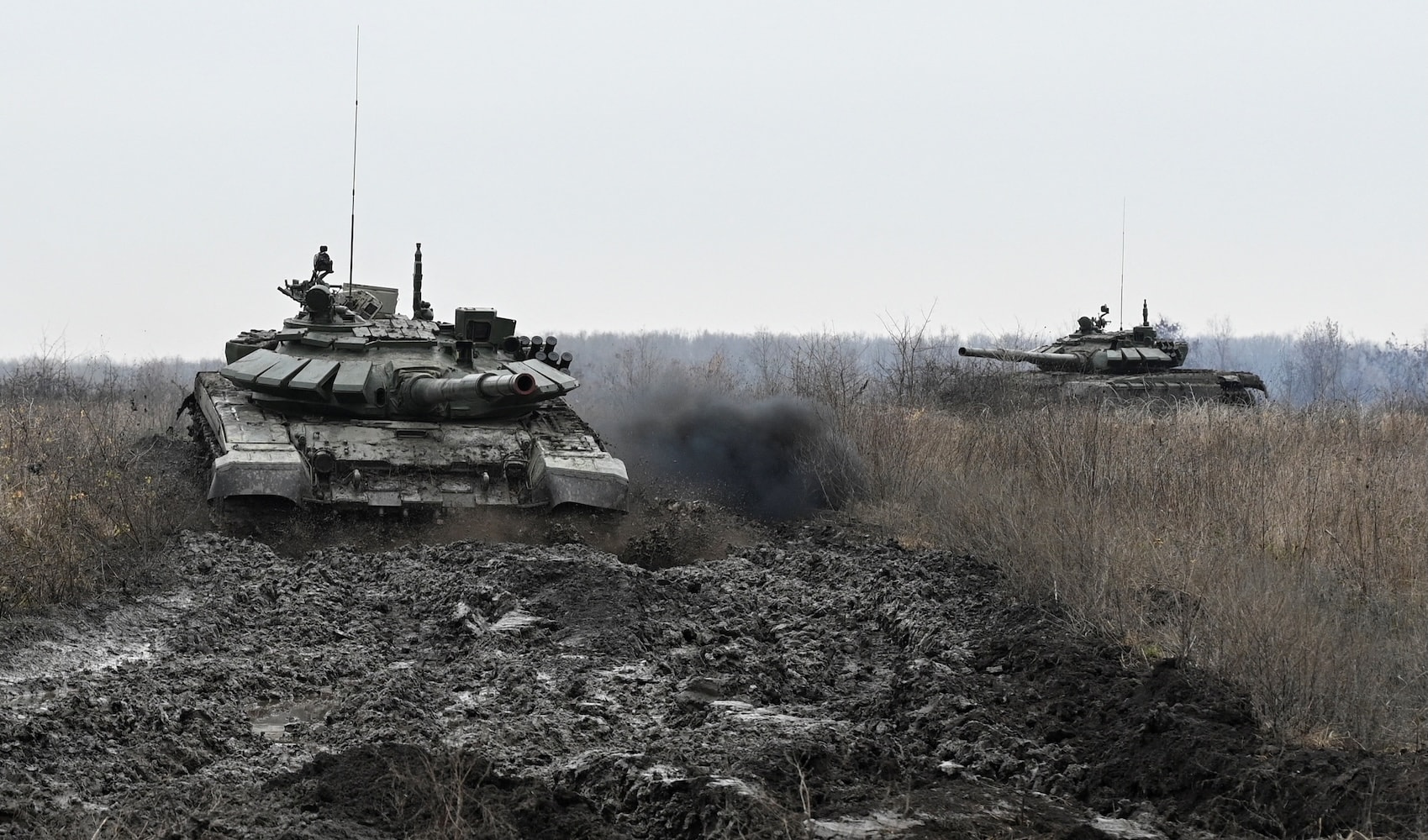
Four years is a lifetime when you’re living under the shadow of air raid sirens. Most of the world sees a headline, feels a momentary pang of sympathy, and then scrolls to the next trending topic. But for Ukrainians, Februaries don't bring the end of winter; they bring the weight of a grim anniversary that refused to stay in the history books. We’re not looking at a "frozen conflict" or a geopolitical chess match. We’re looking at millions of lives that were fundamentally redirected on a random Tuesday in 2022 and haven't found their way back since.
The numbers are staggering, but numbers are also cold. They hide the reality of a grandmother in Kharkiv who hasn't slept in a room with windows for 1,460 days. They hide the kids who know the difference between the sound of a Shahed drone and an incoming S-300 missile before they know their multiplication tables. To understand where this stands after four years, you have to look past the front lines and into the kitchens and bomb shelters where the actual cost is paid.
The myth of the temporary refugee
Early on, the narrative was about "waiting it out." People took a single suitcase and fled to Warsaw, Berlin, or Prague, thinking they’d be home by summer. That was four years ago. Now, those temporary lives have become permanent, often painfully so.
Families are split by more than just borders. You have a generation of Ukrainian men prohibited from leaving, while their wives and children build new lives in Western Europe. Kids are starting school in languages their fathers don't speak. It’s a quiet erosion of the nuclear family that nobody talks about because we’re too busy counting tanks.
I’ve talked to people who feel a crushing sense of guilt for "escaping." It’s called survivor's managed trauma, and it’s rampant. They’re safe, but they’re not okay. They spend their days refreshing Telegram channels for news of strikes on their hometowns. They’re living in a limb state—too Ukrainian for Europe, too far from home to feel like they’re still part of the fight.
Why the front line is only half the story
If you only watch the news, you think the war is just a line on a map that moves a few inches every month. That’s a dangerous oversimplification. The war is everywhere. It’s in the electricity grid that fails when the temperature drops. It’s in the wheat fields that are now the most densely mined areas on the planet.
According to data from organizations like HALO Trust, clearing these mines will take decades, not years. Think about that. Even if the shooting stopped tomorrow, the land itself is rigged to kill the people trying to feed the world. Farmers in the Kherson region are literally DIY-ing armor for their tractors just to plant crops. That’s the kind of grit that doesn't make it into a 30-second news segment, but it’s what keeps the country from collapsing.
The psychological toll of the long haul
In the first year, adrenaline carried everyone. There was a sense of "we can do this." By year four, that adrenaline has been replaced by a weary, stubborn exhaustion. It’s not that people have given up—far from it. It’s that the human brain isn't wired to stay in "fight or flight" mode for 1,400 days straight.
Mental health professionals in Ukraine are seeing a spike in complex PTSD that defies traditional treatment. How do you treat someone for trauma when the traumatic event is still happening every single night? You don't "recover" while the bombs are still falling. You just learn to carry the weight differently.
The kids are the ones who break your heart. I remember hearing about a school in Zaporizhzhia where the teachers moved the entire classroom underground. They decorated the concrete walls with bright paper suns and drawings. It’s beautiful and devastating at the same time. These children are growing up in bunkers, and while they are incredibly resilient, we’re kidding ourselves if we think this won't leave a permanent mark on the collective psyche of the nation.
Economic survival in a war zone
You’d expect the economy to be a total crater. It isn't. That’s the weirdest part of visiting cities like Kyiv or Lviv. The cafes are open. People go to work. The IT sector is still churning out code. It’s a form of economic resistance. If you stop working, the enemy wins. If you stop paying taxes, the army can't fight.
But beneath that veneer of normalcy, the struggle is real. The Hryvnia has taken a beating. Small businesses are struggling with labor shortages because so many people are either at the front or have fled the country. Logistics are a nightmare. Every shipment of goods has to navigate blockaded borders or high-risk corridors.
The reliance on foreign aid is a constant anxiety. Ukrainians know that their survival is tied to the whims of foreign parliaments and election cycles. It’s a terrifying position to be in. Imagine your life depending on a vote happening 5,000 miles away in a country where half the politicians can’t find your city on a map.
The culture of volunteering as a lifestyle
If there’s one thing that has changed forever, it’s the way Ukrainians relate to one another. The volunteer movement isn't just a few people helping out; it’s the entire backbone of the country.
- Pensioners knitting camouflage nets in their living rooms.
- Tech bros using their salaries to buy thermal optics and FPV drones.
- Mechanics spending their weekends fixing up beat-up SUVs for the "Zero" line.
This isn't charity. It’s a social contract. Everyone is a part of the war effort because they know what happens if they lose. There’s no "someone else will do it" mentality left. It’s a level of civic mobilization that most Western democracies haven't seen since the 1940s.
What happens when the world looks away
The biggest fear in Ukraine isn't the Russian army. It’s "Ukraine fatigue." It’s the idea that the world will get bored and move on to the next crisis. We see it happening already. News cycles shorten. Support packages get stalled in red tape.
But the reality on the ground doesn't care about the news cycle. The missiles don't stop just because they aren't the lead story on CNN. After four years, the war has become a marathon of attrition. The side that wins won't necessarily be the one with the most passion, but the one with the most sustained resources and willpower.
How to actually help right now
Stop sharing empty "thoughts and prayers" posts. They don't do anything. If you actually want to make a difference four years into this, you need to be strategic.
- Support localized NGOs: Big international organizations have high overhead. Small, Ukrainian-run groups like United24, Come Back Alive, or Razom for Ukraine get the money exactly where it needs to go, often within days.
- Stay informed from the source: Follow Ukrainian journalists and creators who are living the reality. Get your news from places like The Kyiv Independent or Ukrainska Pravda to avoid the filtered, often sanitized Western perspective.
- Keep the pressure on: Remind your local representatives that this still matters. Economic and military aid isn't just "spending"—it’s an investment in a global order that doesn't allow larger countries to simply erase their neighbors.
The four-year mark isn't a milestone to celebrate. It’s a reminder of a staggering failure of global security and a testament to a people who refuse to be broken. Ukraine isn't asking for pity. They’re asking for the tools to finish the job so they can finally go home, fix their windows, and sleep through the night without checking a phone for incoming threats. The story isn't over, and how we act today determines what the five-year anniversary looks like.