India’s Cabinet is on the verge of clearing a major hurdle in the global race for resource security. We’re talking about formalizing strategic partnerships with Germany and Canada. These aren't just polite diplomatic handshakes. They represent a desperate, calculated move to break the stranglehold that a few dominant players—mostly China—have on the raw materials needed for our future. If you think this is just about rocks and dirt, you’re missing the point. It’s about who controls the energy transition.
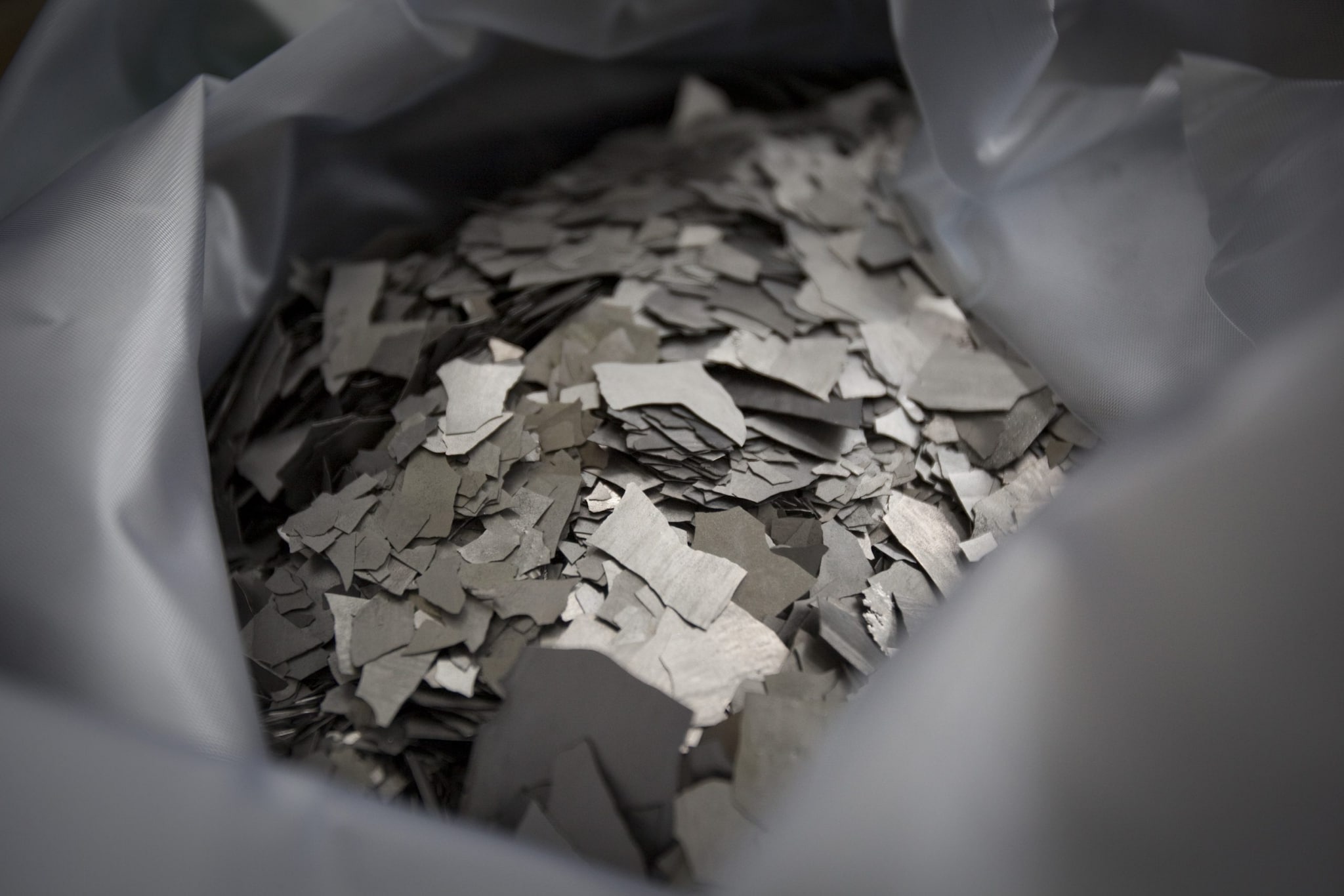
The Ministry of Mines has been working behind the scenes for months. They’ve finally lined up these Memorandums of Understanding (MoUs) to secure a steady supply of lithium, cobalt, graphite, and rare earth elements. Without these, India's ambitious goal of reaching net-zero emissions or becoming a global hub for electric vehicle (EV) manufacturing is dead in the water.
The High Stakes of the Germany Partnership
Germany is a manufacturing powerhouse, but it’s also a leader in recycling technology and circular economy practices. That’s exactly what India needs right now. The pact with Berlin focuses heavily on technical cooperation. We aren't just looking to buy minerals; we're looking to learn how to process them efficiently.
India has decent deposits of some minerals, but our processing capability is lagging. Germany’s expertise in deep-sea mining exploration and sustainable extraction methods is a goldmine for an Indian industry that’s still finding its feet. It's a two-way street. Germany needs a reliable alternative to Russian and Chinese supply chains. India offers the scale and the labor.
The collaboration will likely involve the German Geological Survey (BGR) and India’s Geological Survey of India (GSI). Expect to see joint exploration projects. This isn't theoretical. We’re looking at actual boots on the ground, mapping out the future of high-tech manufacturing.
Why Canada is the Perfect Resource Ally
If Germany brings the brains, Canada brings the brawn—and a lot of the actual ore. Canada is one of the few Western nations with a mature, sophisticated mining ecosystem that covers almost every mineral on India’s "critical" list.
The Canadian deal is about direct investment and extraction. Canada’s "Critical Minerals Strategy" aligns almost perfectly with India’s "Atmanirbhar Bharat" (Self-Reliant India) initiative. Canadian firms have the capital and the proven track record in harsh environments. India has the demand.
Specifically, look for movement in the potash and lithium sectors. Canada is a massive producer of potash, which is vital for India's food security. But the sexy part of the deal is lithium. With Canadian junior mining companies already scouting for assets globally, this pact provides a framework for Indian state-owned enterprises like Khanij Bidesh India Ltd (KABIL) to co-invest.
Breaking the Monopoly
Let’s be honest about the elephant in the room. China. Currently, China processes about 60% of the world’s lithium and nearly 90% of rare earth elements. That’s a terrifying level of dependency for any nation.
India’s recent discovery of lithium in Jammu and Kashmir and Rajasthan was a great headline, but turning that into a battery is a ten-year journey. We don't have ten years. By partnering with Canada and Germany, India is buying a seat at the table of the Minerals Security Partnership (MSP), a US-led club that aims to secure supply chains away from adversarial influence.
What This Means for Indian Industry
For the average person, this might feel like high-level macroeconomics. But it hits your wallet sooner than you think.
- Cheaper EVs: If India can source and process lithium cheaper through these pacts, the cost of an electric scooter or car drops.
- Electronics Manufacturing: Your next smartphone or laptop depends on these minerals. Local sourcing means less reliance on volatile import prices.
- Job Creation: We aren't just talking about miners. We’re talking about chemical engineers, data scientists for geological mapping, and logistics experts.
The Cabinet's expected approval is the starting gun. Once the ink is dry, expect a flurry of activity in the private sector. Companies like Vedanta, Tata, and Reliance are watching this closely. They need the government to pave the diplomatic way so they can move in with the heavy machinery.
The Recycling Secret Sauce
One thing people often overlook is the "urban mining" aspect of the German deal. We can't just keep digging holes in the ground forever. It’s messy, it’s loud, and it’s environmentally taxing. Germany is light-years ahead in extracting lithium and cobalt from old batteries.
India is currently a graveyard for electronic waste. We dump it or burn it in backyards. That’s a waste of money. By adopting German recycling standards, India can create a secondary supply of critical minerals that doesn't require a single new mine. This is the "circular" part of the circular economy that the government is finally starting to take seriously.
Challenges Nobody is Talking About
It won't be easy. Canada has strict environmental and social governance (ESG) standards. Indian mining has... let’s call it a "complex" history with environmental regulations. To make these pacts work, Indian firms will have to clean up their act.
There's also the issue of bureaucracy. An MoU is a piece of paper. Converting that into a functioning mine or a processing plant in Odisha or Karnataka takes years of permits. If the Cabinet approves these deals but the Ministry of Environment stalls the projects, we’ve gained nothing.
Moving Fast in a Slow Industry
The world is moving toward a "just-in-case" supply chain instead of a "just-in-time" one. These pacts are India’s insurance policy. The government is finally realizing that minerals are the new oil.
If you're an investor, look at the mid-cap mining and chemical processing firms. They are the ones who will catch the runoff from these international deals. If you're a consumer, stay patient. The transition to a green economy is expensive, but these partnerships are the only way to make it affordable in the long run.
Watch the next Cabinet meeting closely. The approval of these pacts will be a signal that India is no longer content to sit on the sidelines while other nations carve up the periodic table.
Start looking into the specific mineral requirements for solid-state batteries. That's the next frontier. If India can secure the raw materials for the next generation of battery tech through these Canadian and German ties, we won't just be catching up—we'll be leading. Check the Ministry of Mines website for the official text of the MoUs once they're released to see the specific clauses on technology transfer. That’s where the real value lies.