The standard narrative on Cuba is a tired, binary script. On one side, you have the "maximum pressure" hawks who believe one more sanction will finally tip the scales. On the other, the "humanitarian" crowd cries that the island is a helpless victim of geography and mean-spirited neighbors. Both are wrong. Both are lazy.
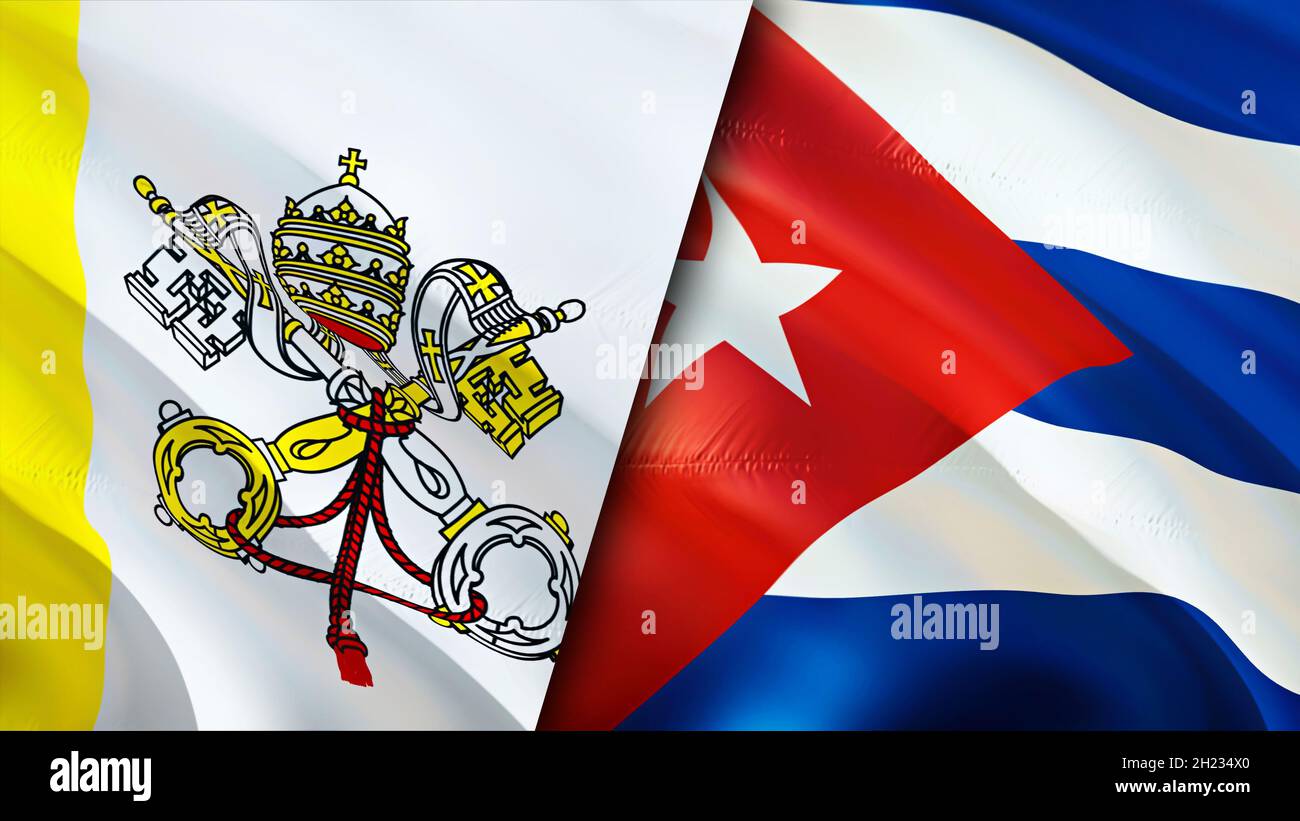
When Havana reaches out to the Vatican, the media frames it as a desperate plea for a lifeline. They treat the Church like a high-level diplomatic social worker. That perspective ignores the cold, calculated mechanics of geopolitical leverage. Cuba isn't looking for a prayer; it’s looking for a premium brand endorsement to bypass the global financial lockout. If you liked this post, you might want to read: this related article.
The Myth of the Helpless Island
Stop pretending Cuba is a passive actor in its own decay. The "plunge into crisis" isn't just a byproduct of U.S. policy. It is the result of a deliberate, decades-long refusal to modernize the internal supply chain.
I have watched emerging markets navigate sanctions for twenty years. The ones that survive don't just beg for relief; they adapt their internal logic. Cuba’s leadership has consistently chosen ideological purity over caloric intake for its citizens. The U.S. embargo is a convenient, all-purpose excuse for a state-run logistics failure that would bankrupt a lemonade stand. For another perspective on this event, check out the latest coverage from NBC News.
When the lights go out in Havana, the blame is shifted to a lack of spare parts from the North. In reality, the failure is a systemic inability to allow private capital to maintain the grid. By the time they call the Pope, they aren't asking for food; they are asking for the moral cover to keep the same failed systems running for another decade.
The Vatican as a Sovereign Venture Capitalist
We need to stop viewing the Holy See through a stained-glass window. In the world of high-stakes diplomacy, the Vatican functions as a unique type of sovereign entity. It has no army, but it has the ultimate "soft power" credit rating.
When a pariah state engages the Pope, they are looking for De-Risking by Association.
If the Church signals that it is working with the Cuban government on "humanitarian corridors," it provides a green light to European and Latin American banks that are currently terrified of U.S. secondary sanctions. It is a sophisticated form of reputation laundering. The Pope isn't bringing a checkbook; he's bringing a "Get Out of Jail Free" card for international investors who want to tap into Cuba’s untapped nickel and tourism sectors without looking like they are funding a dictatorship.
The "Maximum Pressure" Fallacy
The U.S. policy of "maximum pressure" is equally delusional. If the goal is regime change, sixty years of data suggests it is the most expensive failure in American foreign policy.
Pressure doesn't create a vacuum that is filled by democracy. It creates a vacuum filled by the black market, the Russian military, and Chinese infrastructure debt. By tightening the screws to the point of total collapse, the U.S. ensures that the only entities capable of surviving are the ones with the most guns and the least scruples.
I’ve seen this play out in Caracas and Tehran. When you kill the middle class with currency devaluation, you kill the only demographic capable of a peaceful transition. You are left with a tiny elite and a mass of people too hungry to protest. "Maximum pressure" is actually "Maximum Entrenchment" for the ruling class.
The Misunderstood Role of the Catholic Church
The Church in Cuba is not a monolith. It is a tension-filled bridge.
The local clergy is often at odds with the Vatican’s high-level diplomacy. While the Pope plays the long game of "engagement," the priest in a rural Cuban village is the one seeing the malnutrition firsthand.
- Strategic Silence: The Vatican rarely condemns the Cuban government in public. This isn't weakness; it’s the cost of entry. If they speak out, they lose their ability to negotiate the release of political prisoners.
- The Mediator Trap: By acting as the middleman, the Church inadvertently validates the government as a legitimate partner. This frustrates the internal opposition, who feel the Church should be a megaphone for their suffering, not a diplomatic cushion for the regime.
- Institutional Survival: Let's be blunt. The Church wants to ensure its own survival in a post-revolutionary Cuba. They are hedging their bets.
Why You Are Asking the Wrong Questions
Most people ask: "Will the Pope convince Biden to lift the sanctions?"
That is the wrong question. Biden—or any American president—cannot unilaterally lift the embargo due to the Helms-Burton Act. It’s codified law.
The right question is: "Can the Vatican facilitate a transition to a Vietnamese-style model?"
Vietnam managed to keep its one-party system while integrating into the global economy. They didn't do it through prayer; they did it by making themselves indispensable to the global supply chain. Cuba has the talent and the location, but it lacks the trust.
The Vatican’s role is to be the Trust Broker. They are trying to convince the world that Cuba is "safe for engagement" before the internal pressure leads to a chaotic collapse that would trigger a migrant crisis the U.S. cannot handle.
The Brutal Reality of the Energy Crisis
The current blackouts in Cuba are a preview of the end-state.
The island relies on antiquated Soviet-era thermoelectric plants. To fix them, you don't need a blessing; you need $10 billion in infrastructure investment. No one is giving $10 billion to a country with a history of defaulting on debt and a legal system that doesn't recognize private property.
The Vatican can mediate a "humanitarian" shipment of oil, but that’s a Band-Aid on a gunshot wound. The real disruption would be a Vatican-led initiative to create "Sanctuary Zones" for private enterprise—areas where the Church guarantees the protection of investments against state seizure. It sounds radical because it is. But it’s the only way to get real capital back into the island.
Admitting the Downside
My contrarian view has a massive flaw: it assumes the Cuban leadership actually wants change.
There is a very real possibility that the "Vatican Gambit" is just another stall tactic. The Cuban elite have survived for decades by perfecting the art of the "partial opening." They give an inch of freedom to get a mile of credit, then they take the inch back once the crisis passes.
If the Vatican is being used as a pawn in this cycle, it will damage the Church’s credibility for a generation. They are risking their moral authority for a regime that has a track record of burning its bridges.
Stop Looking for a Miracle
The situation in Cuba isn't a tragedy of "pressure." It's a tragedy of "rigidity."
The U.S. is rigid in its legislative gridlock. The Cuban government is rigid in its ideological fossilization. The Vatican is the only actor with enough fluidity to move the needle, but they are playing a game of inches in a mile-wide chasm.
If you want to understand what's happening, stop reading the headlines about "plunging into crisis." Start looking at the ledger. Cuba is a bankrupt company trying to use a celebrity endorsement to get one more loan from a bank that already knows they’re broke.
The Pope isn't the solution. He's the liquidator’s last hope.
Forget the talk of "help." Start talking about "restructuring." Anything else is just religious theater for a political audience.
Stop waiting for a peaceful resolution and start preparing for the inevitable fire sale.