European diplomats aren't just showing up to the G7 ministerial meeting in France to trade handshakes and vague platitudes. They're coming with a list of demands and a level of frustration that's reaching a boiling point. The target is U.S. Secretary of State Marco Rubio, and the sticking point is a toxic alliance between Moscow and Tehran that Washington seems surprisingly keen to downplay.
For weeks, the narrative from the Trump administration has been about "crushing" the Iranian threat and forcing the reopening of the Strait of Hormuz. But as Rubio walked into the Vaux-de-Cernay Abbey today, his European counterparts were ready to flip the script. They're pointing at the massive elephant in the room: Russia is actively helping Iran target American forces and disrupt global energy markets. If the U.S. wants a win in the Middle East, Europe says it's time to stop giving Vladimir Putin a pass.
The Russian Intelligence Pipeline To Tehran
The evidence being presented at this G7 meeting isn't exactly subtle. European powers, led by British Foreign Secretary Yvette Cooper and EU foreign policy chief Kaja Kallas, are calling out Russia for providing satellite imagery and high-end intelligence to the Iranian regime. We're not talking about outdated maps or fuzzy photos. This is real-time data being used to help Iranian drones and missiles target U.S. and Israeli assets with more precision.
It's a classic case of what Kallas calls "intelligence to target Americans, to kill Americans." The irony isn't lost on the French or the Germans. While Washington is demanding that NATO allies "step up" and help reopen the Strait of Hormuz—a waterway that's been effectively blocked by Iran—the Trump administration is simultaneously signaling that it might be willing to cut a deal with Putin to end the war in Ukraine.
To the Europeans, this looks like a massive strategic failure. If Moscow is the one arming and informing Tehran, why is the U.S. focusing all its fire on Iran while being so remarkably quiet about Russia's role?
The Hypocrisy Of The Burden Sharing Argument
Rubio arrived in France on the second day of the gathering, having notably skipped the first day. He's been repeating a familiar refrain: America's allies need to do more because the U.S. is shouldering too much of the burden in Ukraine. He even went as far as to say that "Ukraine is not America's war," a line that's sent shivers through every European capital.
But the Europeans have a counter-argument that's much more grounded in current reality. They're asking Rubio why they should risk a full-scale war in the Middle East—a conflict they say "is not ours"—when the U.S. is failing to hold Russia accountable for actively sabotaging that same conflict.
- The Drone Connection: Iran has been supplying Russia with drones for the war in Ukraine for over two years. Now, Russia is returning the favor, helping Iran upgrade those same drones to strike American targets.
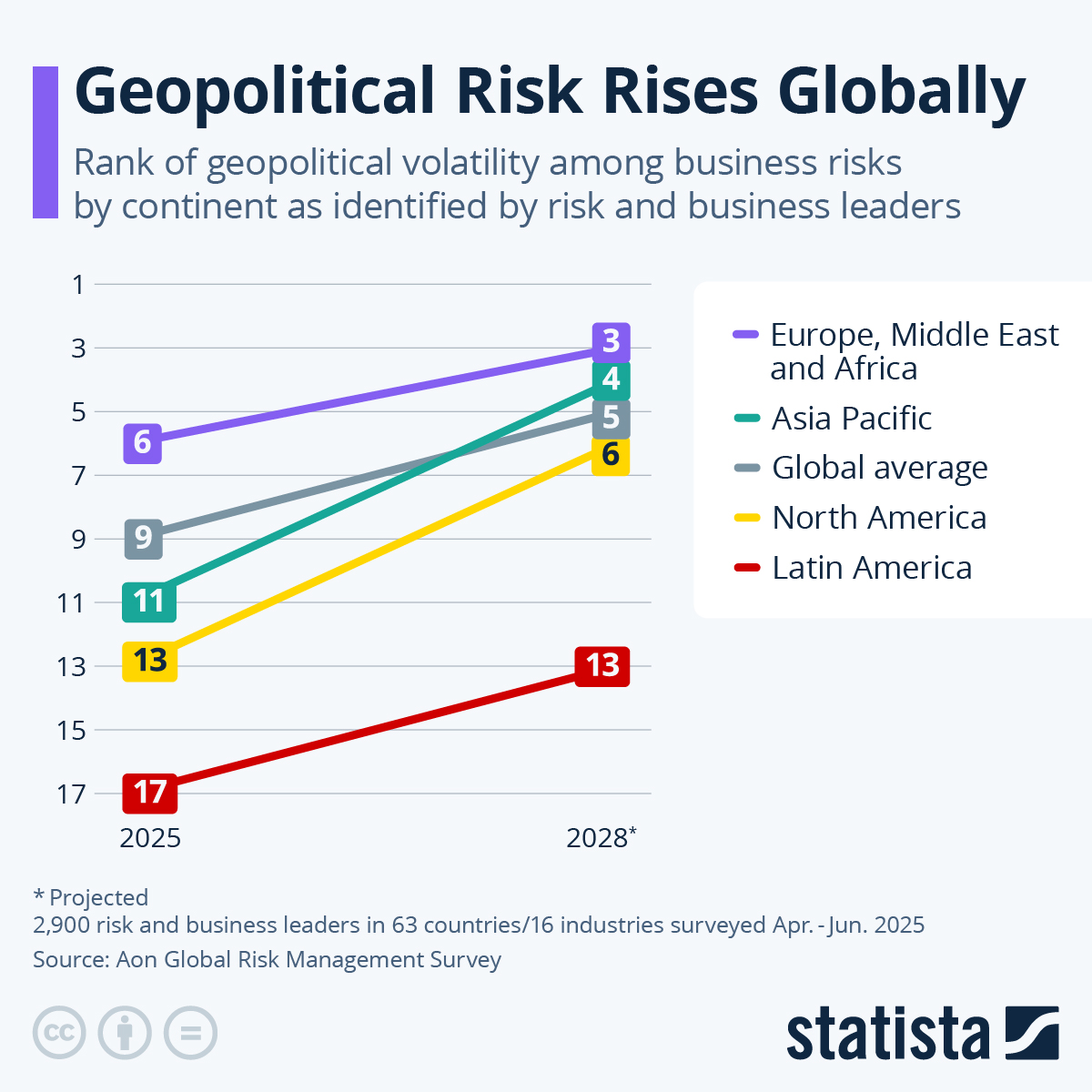
- The Energy Crisis: The closure of the Strait of Hormuz has sent oil and gas prices through the roof. This hits Europe much harder than it hits the U.S., yet Rubio's message has basically been "figure it out yourself."
- The Diplomacy Gap: While the U.S. and Israel have been focused on military strikes, including the killing of Supreme Leader Ali Khamenei, Europe is desperately pushing for a diplomatic exit strategy that doesn't exist yet.
Europe's New Playbook For The G7
Don't expect a unified joint communique at the end of this meeting. The divisions are too deep for a single, polished piece of paper. Instead, France, which holds the G7 presidency, is expected to issue its own statement, highlighting the discord as much as the agreement.
The Europeans are basically done with the "all or nothing" approach coming from Washington. They've already started organizing their own mission to reopen the Strait of Hormuz, separate from the U.S.-led operation. This isn't just about security; it's a direct signal to Rubio and Trump that Europe won't be dragged into a protracted war without a seat at the table and a coherent strategy for dealing with Moscow.
Why The Russia Iran Link Changes Everything
The problem with the current U.S. strategy is that it treats the Middle East and Eastern Europe as two separate islands. They aren't. They're a single, interconnected theater of conflict. When Russia helps Iran upgrade its capabilities, it's testing technologies that will inevitably be used back on the battlefields of Ukraine.
When Rubio says he's only interested in "making the people of the United States happy," he's ignoring a fundamental truth: American safety is tied to global stability. If Russia can help Iran shut down the Strait of Hormuz and kill U.S. service members with impunity, then the "America First" strategy is actually putting Americans at greater risk.
The G7 allies are trying to force Rubio to see that reality. They're not just asking for a tougher line on Iran; they're demanding a consistent strategy that doesn't reward Putin for being the arsonist in the Middle East while claiming to be the firefighter in Ukraine.
What Happens When The Deadline Hits
President Trump has given Iran until April 6 to reopen the Strait of Hormuz or face the destruction of its power plants. We're about ten days away from that deadline, and the diplomatic room is shrinking fast. If Rubio leaves France without a plan to address the Russian-Iranian intelligence pipeline, the likelihood of a massive military escalation in the Gulf becomes a near-certainty.
Europe's strategy right now is simple: leverage every bit of influence they have to prevent a total collapse of the transatlantic alliance. They're telling Rubio that they won't support a war on Iran as long as the U.S. continues to treat Russia like a minor distraction rather than the primary enabler of Iranian aggression.
Next Steps For Diplomacy And Security
The situation on the ground is moving faster than the talking points can keep up. If you're watching this unfold, pay attention to a few key developments over the next week.
First, look for whether the U.S. actually levels any new sanctions specifically against Russian entities for their intelligence-sharing with Tehran. If that doesn't happen, the European "pressure campaign" on Rubio will have officially failed.
Second, watch the movement of naval assets in the region. If France and the UK move forward with their own "defensive" mission in the Strait of Hormuz, it'll mark a historic break in the Western security architecture.
Finally, keep an eye on the oil markets. As long as the Strait remains a no-go zone for global shipping, the economic pressure on Europe will keep their diplomats in a state of high-stakes urgency. They're not just fighting for a diplomatic solution anymore—they're fighting for their economic survival.