The numbers coming out of Syria right now are staggering. We’re looking at 1,700 people dead in Suweida. That’s not just a statistic or a rounding error in a decade-long conflict. It’s a localized catastrophe. When the United Nations starts using terms like "war crimes" in official briefings, you know the situation has shifted from "standard" civil unrest into something much darker. Most news cycles move too fast to catch the nuance of what’s happening in southern Syria, but if you want to understand why the region is hitting a breaking point, you have to look at the specifics of this violence.
It’s easy to get lost in the fog of the Syrian war. After years of headlines, many people have tuned out. That’s a mistake. The Suweida killings represent a specific, targeted escalation. We aren't just talking about stray bullets or crossfire. The UN report points toward systematic executions and deliberate attacks on civilian infrastructure. For a deeper dive into this area, we recommend: this related article.
What Actually Happened in Suweida
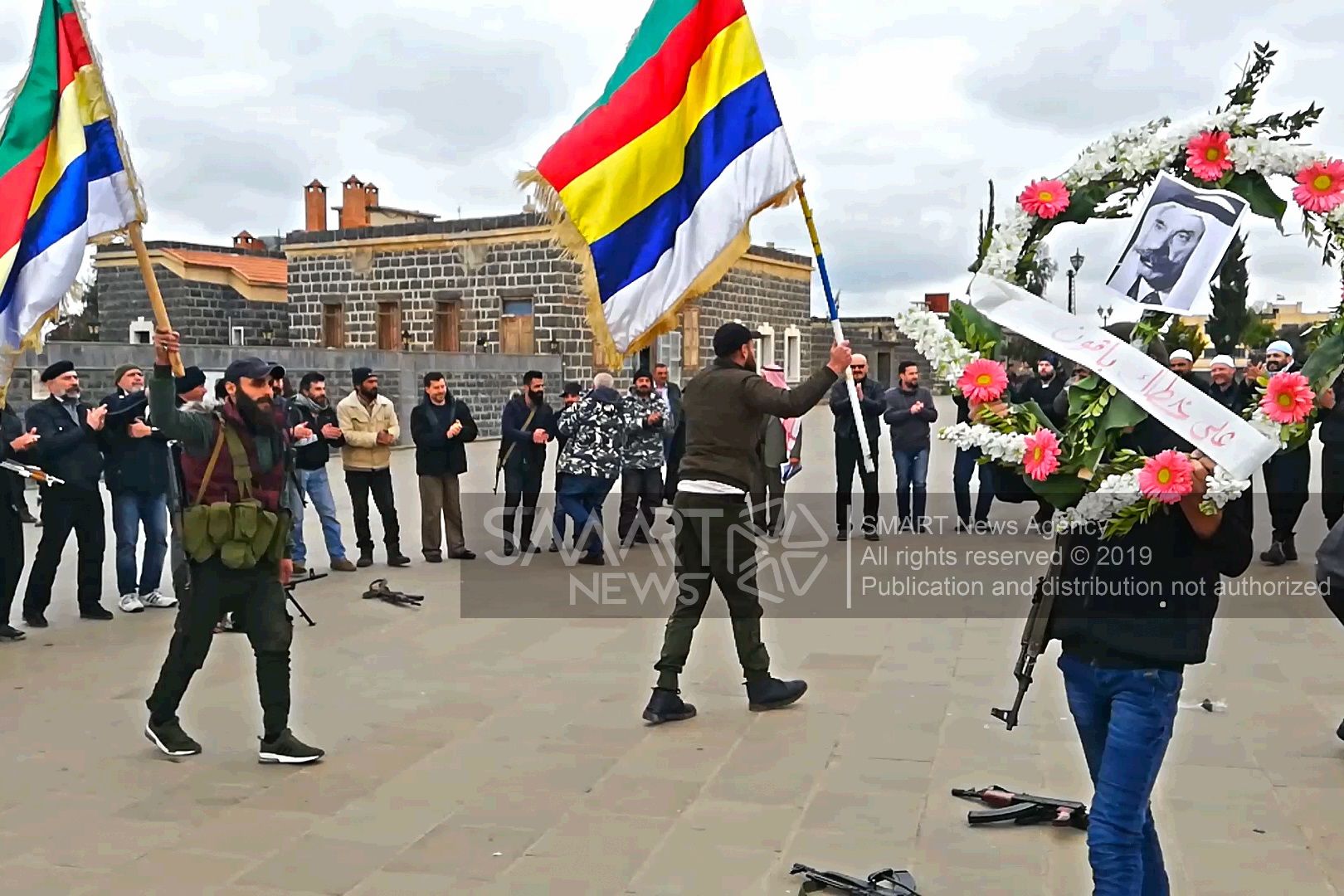
For a long time, Suweida was relatively stable compared to the rest of the country. It’s the heartland of Syria’s Druze minority. They’ve tried to walk a tightrope for years, staying out of the direct fight between the regime and the rebels. That neutrality has shattered. The 1,700 deaths reported by the UN didn't happen overnight. They are the result of a concentrated wave of violence involving militias, extremist groups, and government-linked forces.
The UN’s Independent International Commission of Inquiry on the Syrian Arab Republic has been tracking these movements. Their findings suggest that the perpetrators didn't just kill; they terrorized. We’re talking about forced disappearances and the use of heavy weaponry in residential blocks. When the UN cites "possible war crimes," they’re usually looking for two things: intent and scale. This event has both. To get more information on this development, detailed reporting can be read at BBC News.
The Breakdown of Minority Protection
The "protector of minorities" narrative that the Syrian government has used for years is basically dead. If you live in Suweida, you’ve seen the state's security apparatus either fail to protect you or, in some documented cases, actively participate in the crackdown. The Druze community, which historically avoided the draft and kept its own local defense forces, is now being squeezed from all sides.
ISIS remnants haven't gone away. They’ve used the chaos in the south to launch hit-and-run attacks. Simultaneously, Iranian-backed militias have been trying to consolidate power in the region to secure supply lines. The 1,700 people killed represent the human cost of these competing interests. Many were young men who refused to join the national army. Others were just families caught in the wrong neighborhood at the wrong time.
Why This Counts as a War Crime
The legal definition of a war crime is specific. It’s not just "bad things happening in a war." It involves the "willful killing" of people not taking part in hostilities. The UN investigators have gathered evidence—eyewitness accounts, satellite imagery, and forensic data—that points to civilian areas being targeted with no military justification.
- Targeted Executions: Reports indicate that individuals were pulled from their homes and shot.
- Indiscriminate Shelling: Mortar fire into crowded markets isn't a "military necessity." It’s a tactic used to break the will of a population.
- Denial of Medical Care: One of the most brutal aspects of the Suweida violence was the blocking of ambulances. When you prevent a dying person from getting help, you’ve crossed the line into war crime territory.
The UN doesn't throw these labels around lightly. They know the diplomatic weight it carries. By labeling these acts as potential war crimes, they’re creating a paper trail for future prosecutions, even if those feel a long way off right now.
The Geopolitical Mess in the South
The violence in Suweida isn't happening in a vacuum. It’s tied to the drug trade, specifically Captagon. Southern Syria has become a massive hub for the production and smuggling of this amphetamine. Militias are fighting for control of the routes. When the UN talks about 1,700 dead, a significant portion of that violence is fueled by the black-market economy that has replaced the legitimate one.
You also have the Israeli-Iranian shadow war playing out right in Suweida’s backyard. Israel won't tolerate Iranian bases so close to its border. Every time a militia moves in, a target is painted on the local community. The people of Suweida are basically being used as a human shield for regional power plays. It’s a nightmare scenario where no one is coming to save them.
What the International Community is Doing
Honestly? Not enough. The UN issues reports and the world expresses "deep concern," but the killing continues. The 1,700 deaths should have been a turning point. Instead, it’s being treated as just another chapter in a long book. The UN’s call for accountability is important, but without a mechanism to enforce it—like a referral to the International Criminal Court—it’s mostly symbolic.
Russia usually blocks any real movement in the Security Council regarding Syria. This means the UN's "war crimes" citation is a cry for help to individual member states. They want countries to use universal jurisdiction to arrest the perpetrators if they ever leave Syria. It’s a long game, and it doesn't do much for the families in Suweida today.
The Human Cost Beyond the Number
Don't let the "1,700" figure dehumanize the situation. Each one of those people had a life, a job, and a family. The local economy in the south has cratered. People are starving. The protests that broke out in Suweida months ago weren't just about politics; they were about bread. People are tired of dying for a war that has no clear end and no clear goal other than the survival of those in power.
If you’re looking at what to do next, the first step is staying informed through independent monitors like the Syrian Network for Human Rights or the Syrian Observatory for Human Rights. They often provide the raw data that the UN eventually compiles. Pressure your representatives to support aid corridors that bypass regime control. Support organizations like the White Helmets or the Red Crescent that are actually on the ground trying to patch people up. The situation in Suweida is a grim reminder that the Syrian conflict is far from over, and the world’s indifference is only making the body count higher.
Keep an eye on the upcoming UN Security Council briefings. The language is getting sharper. If the international community doesn't move from "citing" crimes to "punishing" them, the 1,700 dead in Suweida will just be the beginning of a new, even bloodier phase of the southern Syrian conflict.