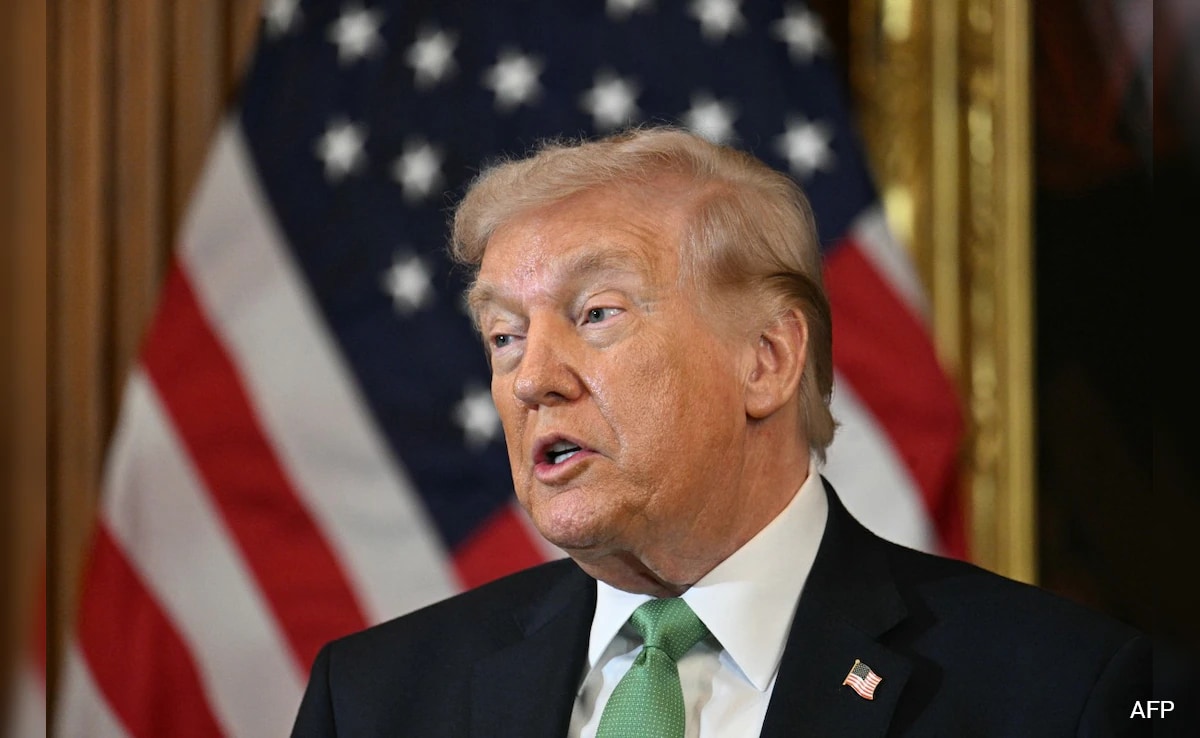
The traditional war room is dead. It isn't filled with smoke and maps anymore; it’s a smartphone screen in a darkened bedroom at Mar-a-Lago or the White House. While the Pentagon tries to issue polished press releases about "Operation Epic Fury," the real strategy—and the real chaos—is happening in real-time on Truth Social. Donald Trump isn't just commenting on the war with Iran. He's waging it, 140 characters at a time, bypassing every diplomatic filter we have left.
If you’re trying to understand why oil prices are swinging like a pendulum or why our allies in London and Tokyo look like they’ve seen a ghost, don't look at official State Department cables. Look at the "Truths."
The Digital Commander in Chief
We’ve entered an era where a single social media post carries more weight than a week of high-level negotiations. Take the recent strike on Iran’s South Pars gas field. While the world scrambled to figure out if Washington and Jerusalem were still on the same page, Trump took to his platform to claim he "knew nothing" about the specific timing of the Israeli hit.
Think about that for a second. The President of the United States used a social media app to publicly distance himself from his primary military ally during an active shooting war.
It’s a deliberate tactic of "strategic unpredictability." By airing his grievances with Benjamin Netanyahu or mocking NATO allies for their "one-way street" mentality, Trump is signaling to Tehran—and the rest of us—that the old rules of the "rules-based order" are in the shredder. He isn't interested in the unified front that obsessed previous administrations. He’s interested in leverage.
Breaking the Media Monopoly
The White House and the FCC have been leaning hard on broadcasters to stay away from what they call "fake news" regarding the conflict. But Trump doesn't need the evening news to carry his water. He’s posted over 200 times since the bombing started.
Interestingly, less than 20% of those posts are actually about the war. He’ll pivot from threatening to blow up Kharg Island "just for fun" to complaining about interest rates or a new ballroom at his club. This isn't just a distraction. It’s a way of domesticating the war. He’s telling his base that while the missiles are flying, he’s still focused on their wallets.
This creates a massive "narrative war." Iran uses the platform X to spread their own version of events, but Trump’s Truths act as a direct counter-insurgency against the mainstream media’s framing. When he claims the U.S. has "totally demolished" Iranian assets while the Pentagon is still conducting damage assessment, he sets the reality before the facts can even get their boots on.
Why the Allies Are Terrified
You can't blame Japan or Australia for being hesitant to send ships into the Strait of Hormuz. When the person leading the charge calls your country "disappointing" in a public post because you won't immediately jump into a naval blockade, the trust evaporates.
Trump’s social media strategy treats international relations like a series of transactional deals rather than long-term alliances.
- He uses Truth Social to "bully" allies into participation.
- He publicly floats the idea of striking Iranian energy hubs "just for fun."
- He contradicts his own Secretary of State, Marco Rubio, in front of millions.
This "freestyle" diplomacy makes it impossible for allies to plan. If they commit troops based on a Tuesday meeting, those troops might be left hanging by a Wednesday night post. It’s an "America First" doctrine applied to the digital age, where the only thing that matters is the immediate reaction of the audience.
The Oil Logic and the Next Move
Don't be fooled by the aggressive rhetoric; there's a cold, hard logic under the surface. Trump’s posts frequently return to the "Strait of Hormuz" and "Oil." He knows that high gas prices at home are the one thing that could sink his 2026 midterm prospects.
His latest posts suggest a willingness to "lift sanctions" on Iranian oil if they play ball. It’s the ultimate "Art of the Deal" move: hit them hard, brag about it on social media, then offer a way out that makes you look like the peacemaker.
If you want to stay ahead of this conflict, stop watching the news tickers. Set your alerts for Truth Social. The next escalation won't start with a siren; it’ll start with a "Re-Truth."
Your move? Watch the energy markets every time a post mentions "Hormuz" or "Kharg." The volatility isn't coming from the missiles; it's coming from the thumb of the Commander in Chief. Be ready to pivot your own strategy as fast as he pivots his narrative.