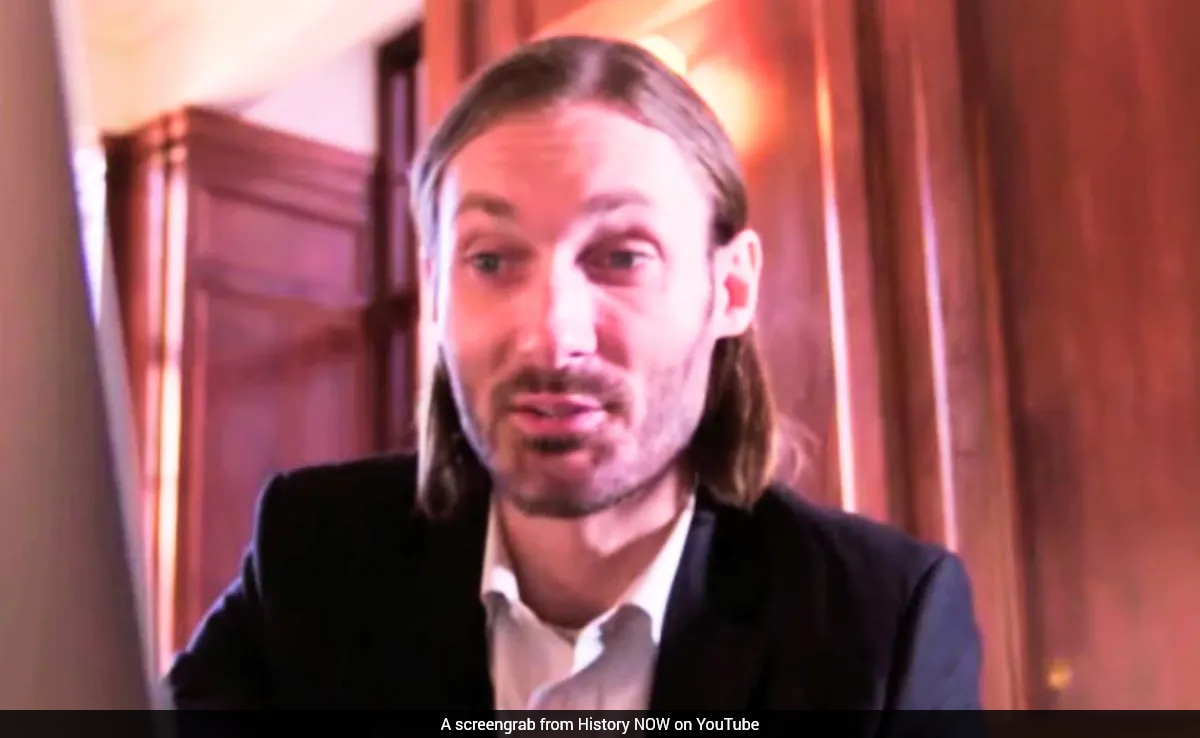
The internet loves a martyr, especially one with a high-definition camera and a savior complex. When the clip of a US national being detained in India for claiming he wanted to "change the course of history" went viral, the commentary followed a predictable, lazy script. On one side, you have the "free speech" absolutists crying about authoritarian overreach. On the other, the "security first" crowd cheering for bureaucratic gatekeeping.
Both sides are wrong.
The real story isn't about a man being arrested. It is about the terminal decline of Western Main Character Syndrome in a world that has stopped asking for permission from Silicon Valley or Washington. This isn't a human rights violation; it’s a high-stakes lesson in sovereign friction.
The Myth of the Borderless Disruptor
For twenty years, the tech elite and "citizen diplomats" have operated under the assumption that a US passport and a disruptive idea provide a diplomatic hall pass. They believe that because data is borderless, they should be too.
They are living in a dream.
India’s move to intercept an individual making grandiose claims about historical intervention isn't "paranoia." It is a cold, calculated exercise in national hygiene. When an outsider shows up at your door saying they want to change your history, they aren't an innovator. They are a threat vector.
Modern history is littered with the corpses of nations that let "well-meaning" outsiders tinker with their internal mechanics. If you want to change the course of history, you don’t do it with a tourist visa and a manifesto. You do it by understanding the specific, granular legalities of the ground you stand on. If you ignore those, you aren't a visionary. You're a liability.
Intelligence Is Not an App
We’ve seen this play out before. I’ve watched multi-billion dollar firms attempt to "disrupt" emerging markets by ignoring local compliance, only to wonder why their assets were frozen six months later. They treat foreign law like a Terms of Service agreement—something to be scrolled past and ignored.
The competitor articles on this topic focus on the "shock" of the arrest. There is no shock. There is only the inevitable collision between Western ego and Eastern sovereignty.
Consider the mechanics of the arrest. Indian security agencies operate on a doctrine of preventive intelligence. Unlike the reactive "wait for a crime" model that is currently failing in many Western cities, the Indian state prioritizes the stability of the collective over the self-expression of the individual.
- Western Logic: I have a right to say anything until I do something.
- Sovereign Logic: If what you say suggests you might do something, you don't get the chance to start.
Is it harsh? Yes. Is it effective? Ask the regions that haven't seen a major coordinated terror strike in a decade despite being in the most volatile neighborhood on the planet.
The Fallacy of the Viral Martyr
The "People Also Ask" sections for these news stories are filled with questions like, "Is it safe for Americans to travel to India?" or "What are the free speech laws in India?"
These are the wrong questions.
The right question is: Why do you think your internal monologue justifies external interference?
The viral clip shows a man who seems shocked that his "mission" isn't being respected. This is the ultimate byproduct of the attention economy. We’ve told everyone they are the star of their own movie. When the Indian police show up, they aren't playing a supporting role in your biopic. They are the reality check you forgot to account for in your "disruption" strategy.
The Real Cost of Amateur Diplomacy
- Erosion of Legitimate Advocacy: Every time an amateur "history-changer" gets locked up for doing something stupid, it makes life harder for actual journalists and NGOs who understand the rules.
- Resource Drain: Embassies have to waste thousands of man-hours and millions in taxpayer funds to bail out people who think they are the next Lawrence of Arabia.
- Policy Hardening: These incidents give governments the perfect excuse to tighten visa regulations for everyone. Your "bravery" is actually just making the world smaller for the rest of us.
The Tactical Error of Grandiosity
If you actually want to change history, the first rule is: Don't announce you're changing history.
Real influence is quiet. It’s institutional. It’s built through decades of building infrastructure, not through five-minute clips on a smartphone. The man in the video failed because he mistook "content" for "impact." He thought that by recording his intent, he was making it real. In reality, he was just providing the evidence for his own charge sheet.
I’ve spent years in boardrooms where executives talk about "conquering" the Indian market. The ones who succeed are the ones who show up with a 50-person legal team and a deep-seated respect for the Ministry of Home Affairs. The ones who fail are the ones who think their "vision" exempts them from the Foreigners Act.
Stop Asking if it’s Fair
Fairness is a luxury of the protected. When a country is managing 1.4 billion people and a complex web of internal security threats, "fairness" to a rambling foreigner is near the bottom of the priority list.
The competitor's piece tries to frame this as a "mystery" or a "bizarre incident." It’s not a mystery. It’s a predictable outcome of a collision between two irreconcilable worldviews. One believes in the infinite sanctity of the individual voice; the other believes in the absolute necessity of the state's survival.
If you find yourself in a foreign country claiming you're there to "alter their destiny," don't be surprised when the state decides to alter yours first.
The lesson here isn't about Indian law. It’s about the death of the "Global Citizen" myth. You are always a guest. You are always subject to the local monopoly on violence. Your smartphone doesn't make you a diplomat, and your intentions don't grant you immunity.
If you want to disrupt a system, you have to be smarter than the system. This guy wasn't even smarter than the guy checking his passport.
Stop looking for "meaning" in the viral clip. Start looking at the map. The map doesn't care about your "course of history." The map only cares about who holds the keys to the cell.
Pack your ego in your checked luggage or don't board the flight.
Would you like me to analyze the specific legal frameworks of the Indian Foreigners Act that most Western travelers unknowingly violate?