Donald Trump just put a bullseye on something that usually stays off-limits in modern warfare: drinking water. In a characteristically blunt Truth Social post on March 30, 2026, the President threatened to "completely obliterate" Iran’s critical infrastructure if a deal isn't reached "shortly." While he’s already been hammering oil wells and power grids, the mention of desalination plants has sent a chill through the international community.
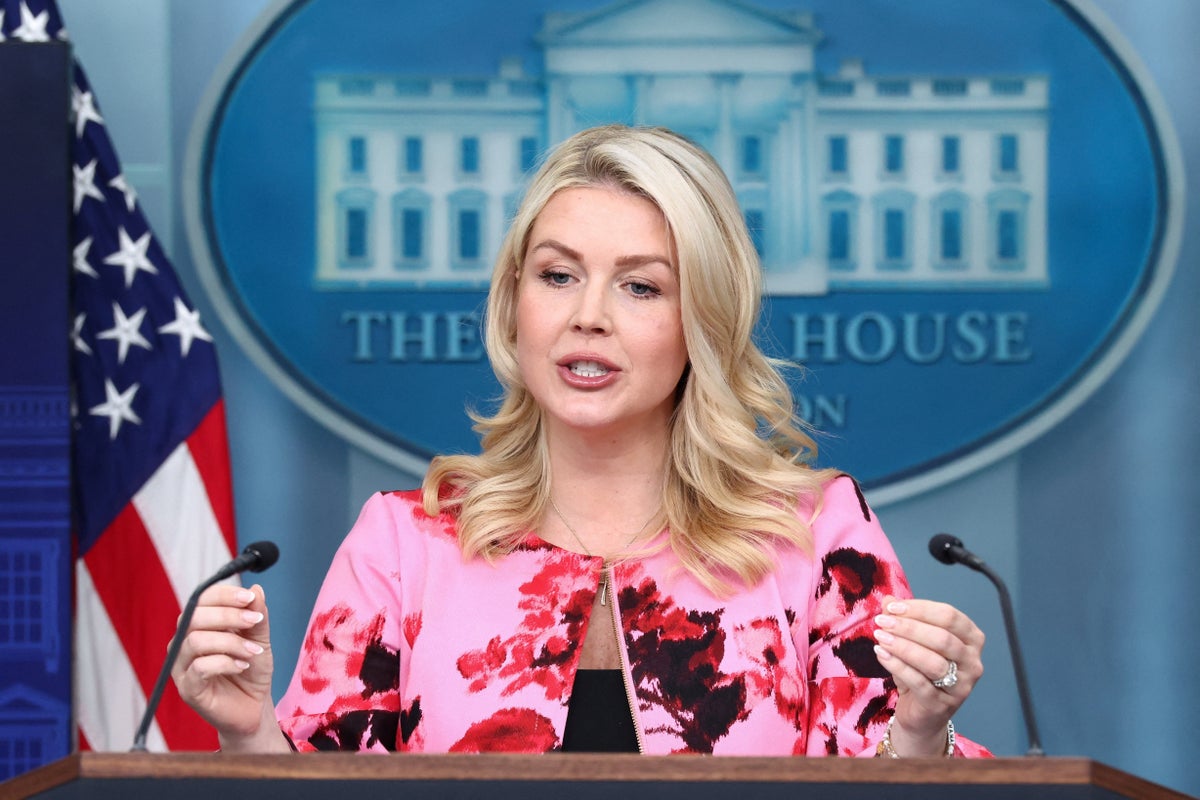
The White House isn't backing down from the rhetoric. When pressed on whether targeting a civilian water supply constitutes a war crime, officials didn't issue a denial. They leaned into the "maximum pressure" narrative instead. This isn't just about winning a war; it’s about using the basic survival of 85 million people as a bargaining chip. In related news, take a look at: The Sabotage of the Sultans.
The line between strategy and war crimes
You can’t just blow up a water plant because you’re frustrated with a regime. International law is pretty clear on this. Under the Geneva Convention, attacking objects "indispensable to the survival of the civilian population" is a massive no-go. We’re talking about drinking water installations, irrigation works, and food supplies.
If the U.S. follows through and wipes out Iran’s desalination plants, it wouldn't just be an "escalation." It would likely be classified as a war crime. Human Rights Watch and Amnesty International are already sounding the alarms. They argue that the military advantage gained from thirst-striking a population rarely outweighs the catastrophic civilian harm. NBC News has also covered this important subject in extensive detail.
But the Trump administration's logic is simpler: "If you don't want your water plants hit, come to the table." It’s a gamble that assumes Tehran will blink first.
Why desalination is a dangerous target
Most people think of Iran as an oil giant, but it’s increasingly a "water-stressed" nation. While they only rely on desalination for a fraction of their total supply, those plants are concentrated along the coast. If those go, millions of people in southern Iran lose access to potable water almost instantly.
The real danger, though, is the ripple effect. If the U.S. targets Iran’s water, what stops Iran from doing the same to America's allies?
- Kuwait: Already saw an Iranian strike on its desalination plant this week, killing one worker.
- UAE: Abu Dhabi and Dubai depend almost entirely on desalination.
- Qatar: Doha would be unsustainable without these plants within days.
If Iran decides to retaliate in kind, they won’t just hit oil tankers in the Strait of Hormuz. They’ll hit the systems that keep millions of people alive in the Gulf states.
The White House’s "maximum pressure" 2026 edition
The Trump administration’s stance isn’t just about making threats—it’s about rewriting the rules of engagement. By refusing to rule out hitting water supplies, they’re signaling that nothing is off the table anymore.
When you look at Operation Midnight Hammer—the June 2025 strikes that wiped out Iran's nuclear facilities—it’s clear the U.S. has the capability. But water is different. It’s not a weapon of war; it’s the most basic human need.
The White House is banking on the idea that the Iranian regime is more afraid of an internal uprising than an external strike. They’re basically telling the Iranian people that their government is the reason they don’t have power or water. It’s a high-stakes psychological game that hasn't worked yet.
What the 15 point proposal really says
Tehran claims they received a "15-point proposal" from the U.S. that they’ve called "unrealistic and irrational." While the full text isn't public, we know it includes demands for Iran to:
- Reopen the Strait of Hormuz immediately.
- Dismantle all remaining missile capabilities.
- Stop all support for proxies in Yemen, Iraq, and Lebanon.
If Iran says no, Trump’s latest post says the U.S. will "conclude our lovely ‘stay’ in Iran" by blowing up everything left standing—including those desalination plants.
Looking at the legal mess
If this goes to the International Criminal Court (ICC), the U.S. will argue it was a "proportional response" to Iranian aggression. But "proportionality" is a tough sell when you’re talking about starving a city of water.
Legal experts say that even if a power plant is used for military purposes, the harm to the civilian population can’t be "excessive." There’s no world where blowing up a city’s primary water source isn't excessive.
Honestly, the White House’s refusal to rule this out feels more like a rhetorical club than a tactical plan. They want the threat of a war crime to be enough to force a deal. But in the Middle East, threats like this usually just lead to more missiles.
Don't expect the U.S. to walk back these comments. The administration believes that ambiguity is their best friend in negotiations. By leaving the water supply on the table, they’re making it clear that the "old rules" don’t apply anymore.
Your next move is to keep a close eye on the Gulf states. If they start moving mobile desalination units or shoring up their own water security, you’ll know they think Trump is serious. You can also monitor the price of oil, which is already on track for a record monthly rise. Every time the U.S. threatens a new type of infrastructure, the markets freak out.
The bottom line is simple: the U.S. is using the basic survival of a population as a bargaining chip. Whether it works or results in a generational war crime is what we’re about to find out.