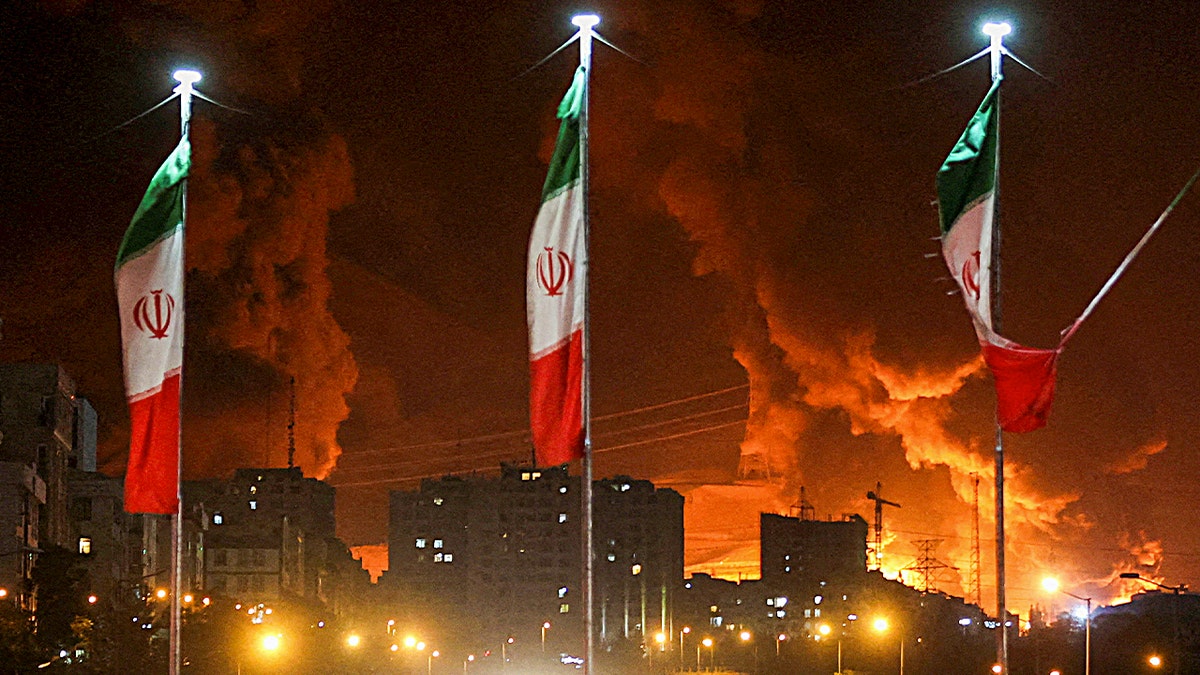
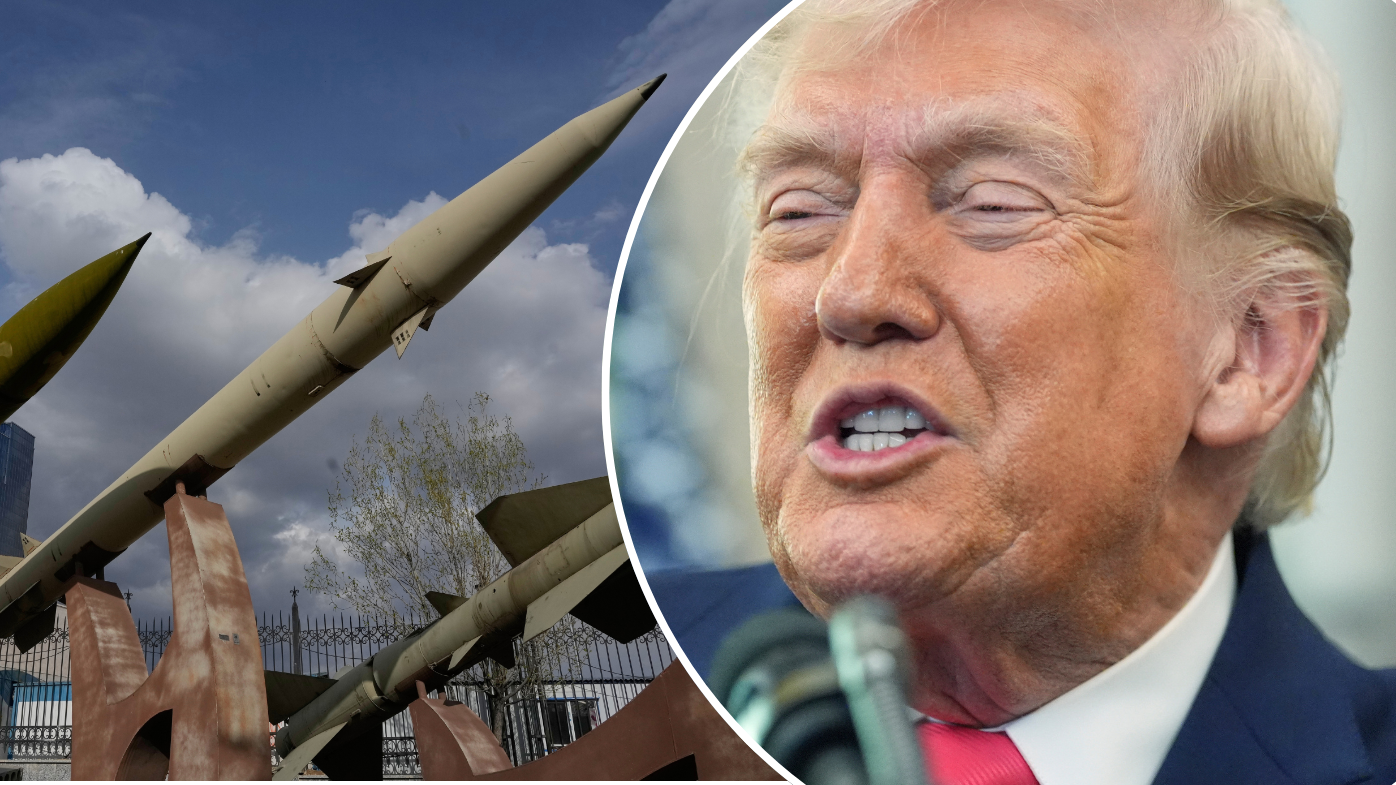
Donald Trump spent years branding himself as the ultimate closer. He was the guy who could walk into a room, stare down a dictator, and walk out with a signed piece of paper that changed the world. He promised to end "forever wars" and bring the troops home. But right now, the former and future president finds himself in a bizarre, inverted reality. He isn't just the one mediating; he's the one who might actually need a mediator to handle the escalating tension with Tehran. It's a massive shift from the "Maximum Pressure" era, and it tells us everything about how much the Middle East has changed since 2020.
The irony is thick enough to choke on. During his first term, Trump tore up the Iran nuclear deal (the JCPOA), calling it the worst deal ever negotiated. He bet the house on the idea that if you squeezed the Iranian economy hard enough, the regime would either collapse or crawl to the table. It didn't happen. Instead, we've seen a steady climb in regional violence, advanced uranium enrichment, and now, credible reports of Iranian plots targeting Trump himself. This isn't just a policy disagreement anymore. It’s personal. And when things get personal in geopolitics, the standard rulebook goes out the window.
The failed gamble of maximum pressure
Let’s look at the numbers because they don't lie. When Trump exited the JCPOA in 2018, the goal was to zero out Iranian oil exports and stop their regional expansion. For a second, it looked like it might work. Iran’s currency plummeted. Protests broke out in Tehran. But the regime played the long game. They turned to "shadow tankers" to sell oil to China and ramped up their proxy activities in Yemen, Iraq, and Lebanon.
The strategy of isolation backfired in a way that many hawks didn't predict. By removing the diplomatic guardrails, the U.S. essentially told Iran they had nothing left to lose. If you're already under the heaviest sanctions in history, what's the incentive to play nice? There isn't one. We saw the result: the 2020 assassination of Qasem Soleimani, followed by Iranian missile strikes on U.S. bases in Iraq. We moved from "ending wars" to the brink of a massive, regional conflagration.
Now, Trump faces a much more complex board. Iran isn't just a struggling regional power anymore. They’re a key hardware supplier for Russia’s war in Ukraine. Their drones are buzzing over Kyiv. They’ve deepened ties with Beijing. The idea that the U.S. can simply "dictate" terms through economic pain alone is an outdated 2016 mindset. The world moved on, even if the campaign rhetoric didn't.
Why a mediator is the only way out
You might wonder why a guy who prides himself on being a lone wolf would ever want a middleman. The answer is simple: survival and face-saving. With the Department of Justice recently unsealing charges related to Iranian-backed assassination plots against him, Trump can't exactly hop on a private jet to Tehran for a photo op. The security risks are astronomical.
This is where countries like Qatar, Oman, or even Switzerland come in. They’ve been the quiet postmen of the Middle East for decades. In 2026, their role is more vital than ever. Trump needs a bridge. He needs someone who can relay messages without the baggage of a formal state visit. He wants the deal—he always wants the deal—but he needs a way to get it without looking like he’s rewarding a regime that allegedly tried to take him out.
The Qatar connection
Qatar is the one to watch. They host a massive U.S. airbase while maintaining a working relationship with the Iranian leadership. They’ve proven they can move the needle on prisoner swaps and ceasefire talks. If Trump is going to pivot from "Maximum Pressure" to "Maximum Diplomacy," the road goes through Doha. It’s a pragmatic move. It’s not about liking the messenger; it’s about the fact that the messenger is the only one both sides will actually talk to.
Misconceptions about the Iran threat
A lot of people think Iran wants a direct war with the United States. They don't. That would be suicide for the clerical establishment. What they want is "strategic depth"—enough chaos in the region to keep the U.S. distracted and enough nuclear leverage to ensure they aren't the next targets for regime change.
Trump’s biggest mistake was thinking he could treat Iran like a real estate deal where one side eventually folds because they can't pay the mortgage. Geopolitics is about identity and survival, not just balance sheets. When you threaten the survival of a regime, they don't fold. They bite.
We also hear a lot about how "easy" it would be to just bomb the nuclear facilities. Ask any retired Pentagon general, and they’ll tell you the same thing: you can’t bomb knowledge. Iran’s scientists know how to build the centrifuges. They know how to enrich the fuel. Even if you set the program back a few years, you've just guaranteed they will go full-throttle toward a weapon the moment the smoke clears. Trump seems to have realized this, which is why his tone has occasionally shifted toward "we just don't want them to have a nuclear weapon, we aren't looking for regime change."
The China factor changes everything
In his first term, Trump could mostly ignore China’s role in the Middle East. Not anymore. Beijing brokered the Rapprochement between Iran and Saudi Arabia in 2023. That was a massive wake-up call for Washington. It signaled that the U.S. is no longer the only game in town.
If Trump tries to go back to the 2018 playbook, he isn't just fighting Iran. He’s fighting a global trade network that China has carefully constructed to bypass Western sanctions. Iran is now part of the BRICS+ group. They have options. This means any "deal" Trump wants will have to account for the fact that Iran has friends in high places who aren't interested in helping the U.S. maintain its hegemony.
Moving beyond the campaign slogans
It’s easy to shout "No More Wars" at a rally. It’s a lot harder to manage a country that is actively trying to kill you while also trying to keep the global oil price from spiking to $150 a barrel. Trump’s "figure of 8" trajectory—moving from the aggressive pursuer to a leader who needs a diplomatic buffer—is a reflection of a man hitting the limits of unilateral power.
He wants to be the peacemaker. He wants that Nobel Prize he’s hinted at for years. But to get it, he’ll have to do something he hates: rely on others. He’ll have to trust the "Globalists" in the diplomatic corps or the intermediaries in the Gulf to do the heavy lifting.
The next step for anyone watching this space isn't to look at the tweets or the loud speeches. Look at the flight paths of Omani and Qatari officials. Look at the quiet meetings in New York during the UN General Assembly. That’s where the real work happens. If you’re waiting for a grand public signing, you’re looking at the wrong map. The real story is the quiet retreat from the brink, facilitated by the very people Trump spent years criticizing.
Keep an eye on the "de-confliction" channels. The moment those open up, you’ll know a deal is in the works. Don't fall for the "tough guy" act on either side. Both Tehran and a potential Trump administration are exhausted. They both need a win, and they both know a direct war is a losing hand for everyone involved. The mediator isn't just a luxury anymore; they’re the only thing standing between a messy peace and a catastrophic war. Stop looking for a knockout blow and start looking for the exit ramp.