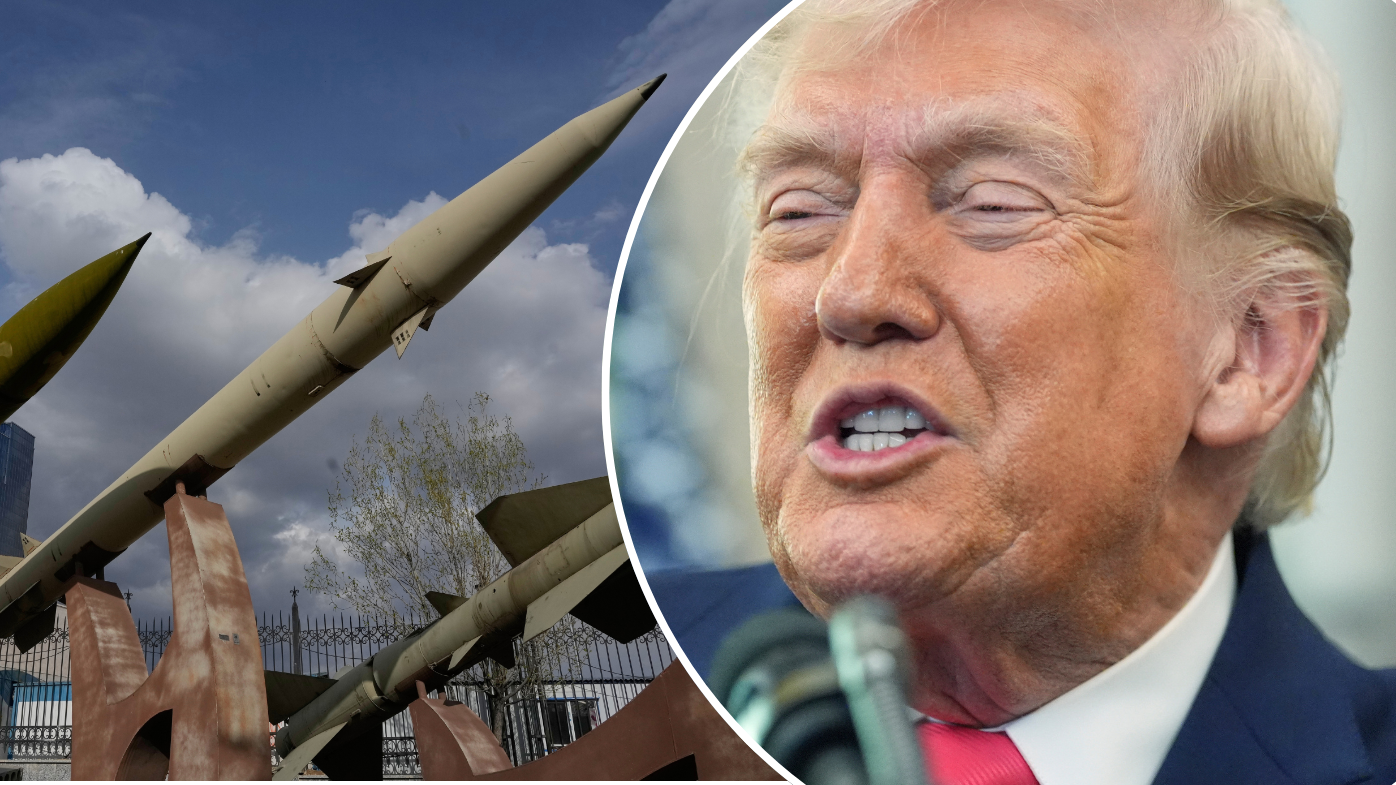
Donald Trump just dropped a massive tease in the Oval Office that has oil markets and diplomats scrambling. On Tuesday, March 24, 2026, he announced that Iran sent the U.S. a "present" worth a "tremendous amount of money." He won't say exactly what it is. He calls it a "very significant prize" and a "big present," but he’s keeping the specifics under wraps for now.
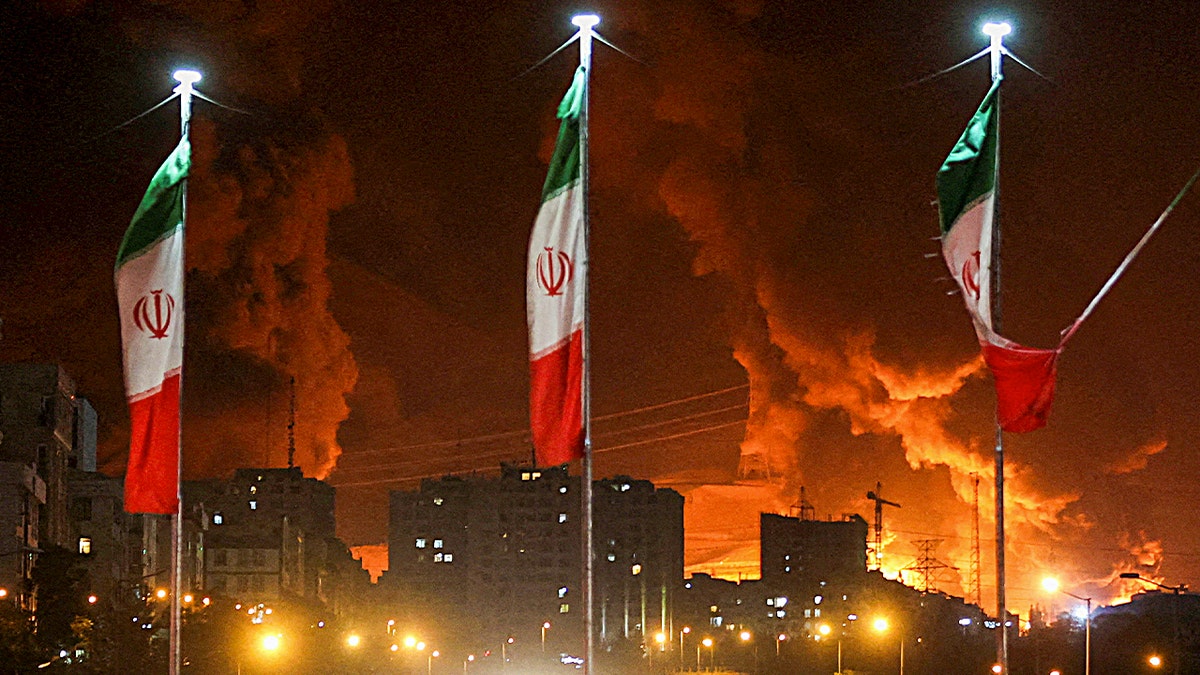
If you're wondering why this matters, look at the timing. We're currently four weeks into a brutal conflict. The U.S. and Israel have been hammering Iranian targets, and global energy prices are through the roof. Trump’s "gift" comment isn't just a random boast; it’s a signal that the backchannel negotiations he’s been hinting at might actually be producing results.
Why the Strait of Hormuz is the Center of the Deal
Trump confirmed that this gift is specifically "oil and gas-related" and tied to the Strait of Hormuz. This isn't a small detail. The Strait is the world's most important energy chokepoint. About a fifth of the world's oil passes through it. Since the war started, that flow has been choked off, causing the worst energy supply shock we've seen in decades.
The "present" likely involves a major concession regarding the reopening of this waterway. Trump mentioned that the Iranians "did something yesterday that was amazing." He also suggested that the U.S. would have "control of anything we want" regarding the Strait after the war. This implies that whatever was "delivered" yesterday is a tangible move by the Iranian leadership to ease the energy blockade, possibly allowing non-hostile tankers to pass through safely.
The Disconnect Between Washington and Tehran
While Trump is touting prizes and presents, Tehran is playing a very different game. Iranian Foreign Ministry spokesperson Esmail Baghaei and Parliamentary Speaker Mohammad Bagher Ghalibaf have both dismissed these reports of negotiations as "fake news." Ghalibaf even claimed the talk of a deal is just a tactic to manipulate financial markets.
This happens all the time in high-stakes diplomacy. One side wants to project victory and momentum, while the other needs to maintain a tough public face to avoid looking like they're caving under pressure. But even with the denials, we know there are intermediaries involved. Pakistan’s Prime Minister Shehbaz Sharif has openly offered to host talks and has been tagging Trump and Iranian officials on social media.
Who is Actually Running These Talks
Trump isn't flying solo on this. He named a few key players who are reportedly in the middle of these negotiations:
- JD Vance: The Vice President is heavily involved.
- Marco Rubio: As Secretary of State, he’s handling the diplomatic heavy lifting.
- Jared Kushner & Steve Witkoff: These two are acting as the primary envoys, likely handling the unofficial backchannels through regional partners like Pakistan and Saudi Arabia.
Trump’s strategy seems to be built on the idea that "regime change" has already effectively happened because so many of Iran's top leaders were killed in the opening strikes of the war. He says the new leadership is "very different" and that "they want to make a deal so badly."
What This Means for the War
The President is already declaring victory. He told reporters, "We’ve won this. This war has been won." This might be a bit premature given that the Israeli military is still pushing for several more weeks of strikes to finish their objectives. Even within Trump's own cabinet, there’s friction. He joked that Defense Secretary Pete Hegseth was "upset" because he wanted to keep fighting. Hegseth's famous line, "We negotiate with bombs," tells you everything you need to know about the Pentagon's current stance.
Despite the "victory" talk, the U.S. is still moving thousands of troops from the 82nd Airborne Division toward the Gulf. This dual-track approach—talking about "gifts" and "presents" while simultaneously moving more boots on the ground—is classic Trump. It keeps the Iranians guessing and maintains maximum leverage at the bargaining table.
Immediate Impacts to Watch
- Gas Prices: If the "gift" is indeed a guaranteed opening of the Strait of Hormuz, expect oil futures to drop sharply in the coming days.
- Pakistan Talks: Keep an eye on reports of Kushner or Witkoff arriving in Islamabad. That will be the confirmation that the "negotiations" are more than just Oval Office rhetoric.
- Israeli Strikes: Watch for whether Israel slows down its operations. If Netanyahu’s government ignores Trump’s "present" and keeps the pressure on, it could create a massive rift between the two allies.
Check the daily energy market reports and keep an eye on official flight trackers for U.S. diplomatic planes heading toward Pakistan or Oman. The next 72 hours will reveal if this "present" is a real turning point or just another headline in a long, messy conflict.