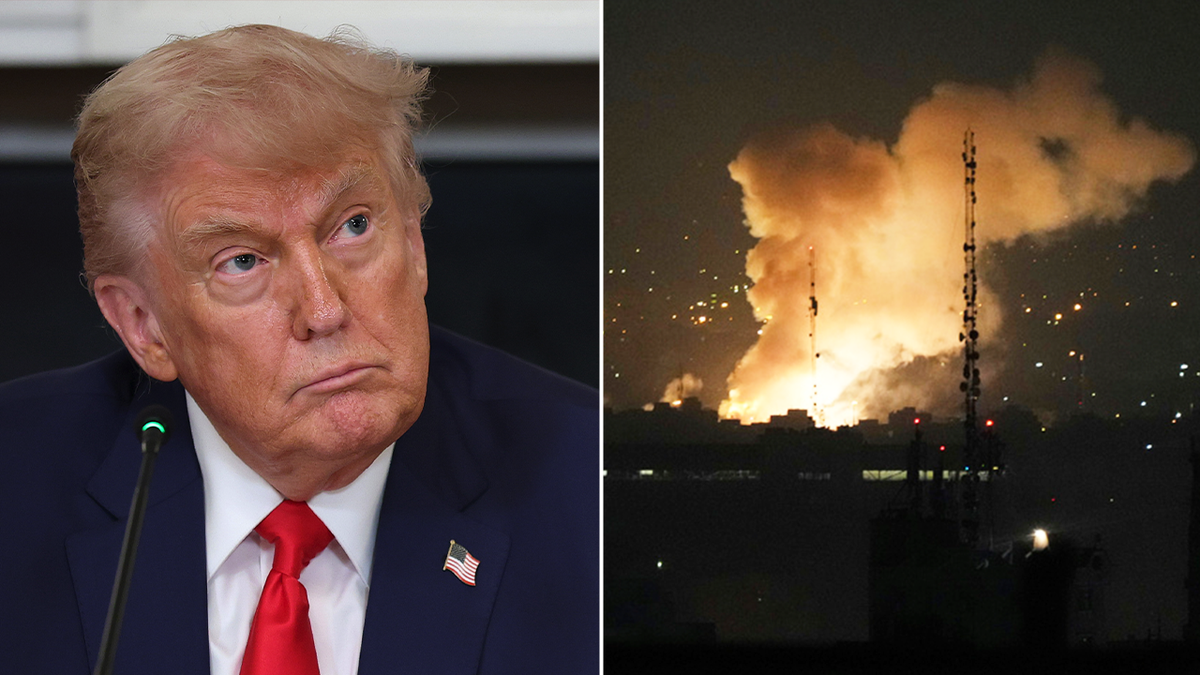
The tension in the air was thick enough to cut with a knife this weekend. Just when it felt like we were staring down the barrel of a massive regional war, the script flipped. President Trump announced a five-day postponement of strikes on Iranian energy infrastructure, and Wall Street reacted like a pressure valve had finally been released.
If you're watching your 401(k) or brokerage account, you saw the green screens almost immediately. The S&P 500 jumped 1.1%, the Dow added over 600 points, and the Nasdaq-100—always the most sensitive to "risk-on" sentiment—surged 1.4%. But don't let the relief rally blind you. This isn't necessarily the end of the conflict; it's a strategic pause that tells us exactly how this administration plans to use military leverage as a bargaining chip.
The Five Day Window of Sanity
The move to delay strikes against Iranian power plants and oil facilities came after what Trump described as "productive conversations," though Tehran was quick to deny any direct contact. Whether the talks happened through intermediaries in Turkey and Pakistan or they're just a tactical feint, the market took the bait.
For the last three weeks, we've been living in a world where Brent crude was knocking on the door of $120 a barrel. On Monday, it tumbled more than 10%, settling back under $100. That’s a massive swing. It shows that traders aren't just afraid of the bombs; they’re terrified of the Strait of Hormuz staying shut. Roughly 20% of the world’s oil flows through that narrow chokepoint. If it stays blocked, the "soft landing" everyone’s been hoping for from the Federal Reserve becomes a pipe dream because energy-driven inflation will wreck the economy.
Winners and Losers in the De-escalation Trade
When the threat of immediate fire and brimstone recedes, the market leadership rotates fast. You don't want to be caught holding the wrong bag when the narrative shifts from "war footing" to "diplomatic window."
- Airlines and Cruises: These were the biggest beneficiaries on Monday. United Airlines and American Airlines both saw jumps between 3% and 5%. Why? Because their biggest variable cost is fuel. Lower oil prices mean better margins.
- Small Caps: The Russell 2000, which had been battered into "correction" territory (down 10% from its highs), leaped 2.3%. Smaller companies usually don't have the hedging power of a multi-billion dollar conglomerate, so they feel the pinch of geopolitical uncertainty much more acutely.
- Safe Havens: Gold took a hit, dropping over 4% to around $4,374 an ounce. When people feel safe, they dump the "shiny yellow rock" and go back to chasing growth.
- Energy Stocks: If you were riding the surge in Big Oil, Monday was a wake-up call. The sector struggled as crude prices cratered.
Why You Shouldn't Get Too Comfortable
I've seen this movie before. Trump’s "maximum pressure" strategy is basically a rollercoaster. He threatens "obliteration" over the weekend, then offers a "total resolution" on Monday. It’s a volatility machine.
Manish Singh, the CIO at Crossbridge Capital, hit the nail on the head when he compared this to the old tariff playbook: delay, create optionality, and then step back. It’s designed to keep the opponent (and the markets) off balance.
The reality on the ground is still messy. Even with the strikes on hold, Iran is still firing missiles toward regional targets, and the Strait of Hormuz isn't exactly a peaceful lake right now. If these "productive talks" don't turn into a tangible ceasefire within the five-day grace period, we’re going to see those oil prices snap back faster than you can hit the "sell" button.
The Fed Factor
The most important takeaway for your long-term strategy isn't the price of oil today; it's what the Fed does tomorrow. Before this war started, we were all waiting for interest rate cuts. High energy prices killed that hope because the Fed won't cut rates if inflation is spiking.
Monday’s drop in oil gives the central bank breathing room. Treasury yields eased slightly, with the 10-year note falling to 4.35%. It’s still high—well above the 3.9% we saw before the fighting started—but it’s moving in the right direction. If the de-escalation holds, the "Fed pivot" is back on the table. If it fails, prepare for "higher for longer" rates.
Honestly, the best thing you can do right now is check your exposure to energy and transportation. If you're over-leveraged in oil, you just got a warning shot. Use this rally to rebalance. Don't chase the "peace rally" with money you can't afford to lose, because in this administration, the "peace" can turn back into "maximum pressure" with a single post on social media.
Check your portfolio's weighting in the energy sector and consider if you're prepared for another $20 swing in oil prices. If the answer is no, trim those positions while the market is giving you this "relief" window.


