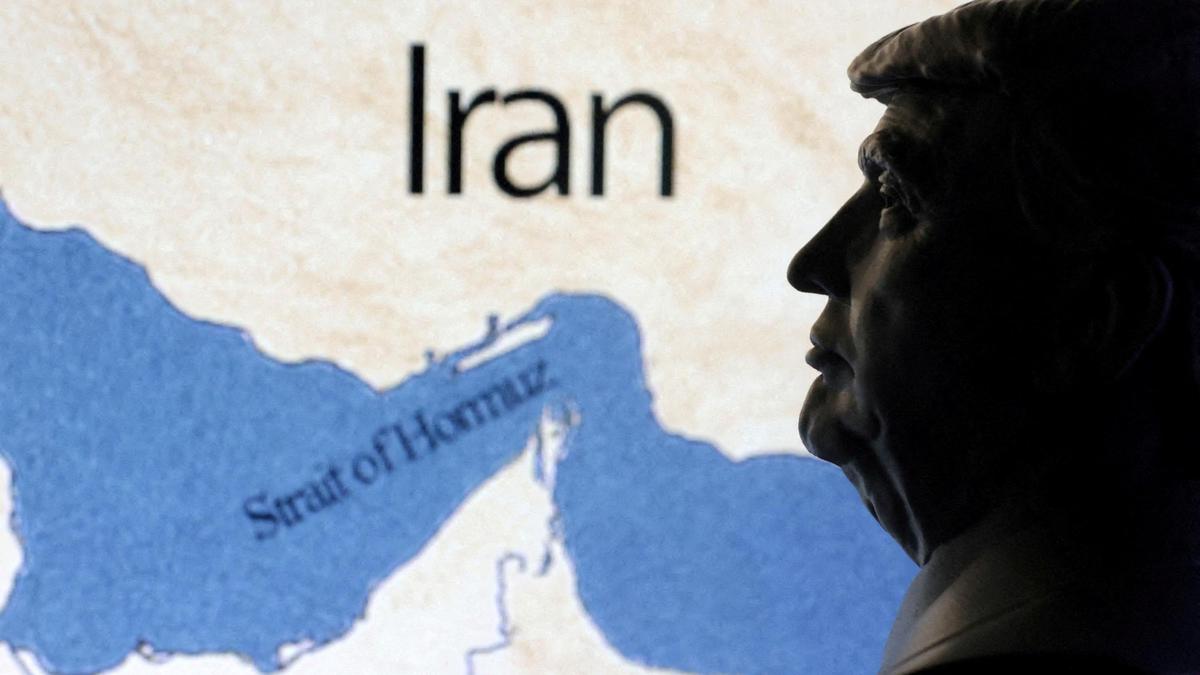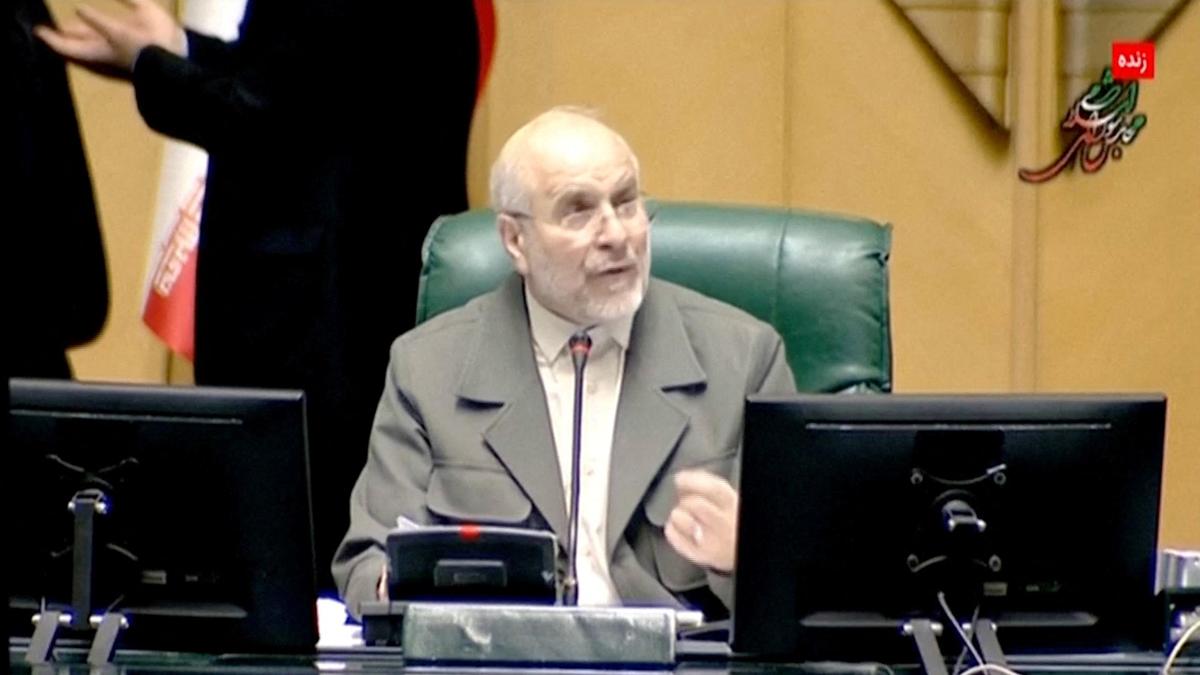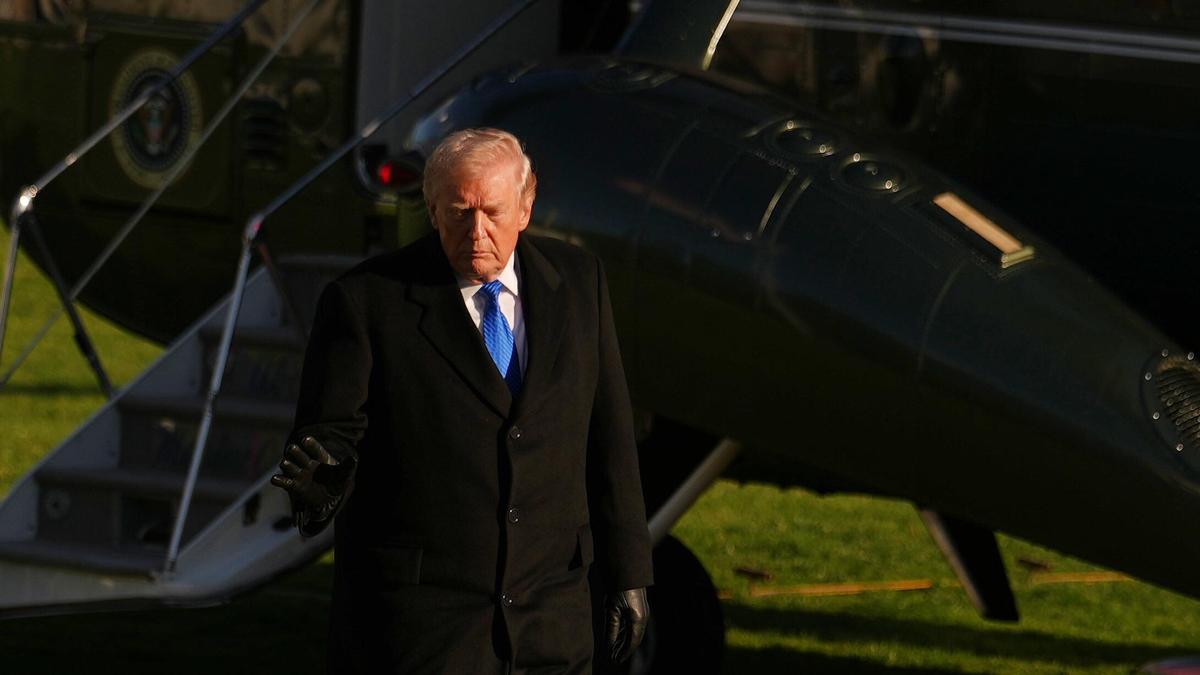
The media is currently hyperventilating over a classic piece of diplomatic theater. Donald Trump claims talks with Iran are "very good." Tehran issues a swift, icy denial. The pundits scurry to their keyboards to file the same predictable story: a delusional American president is being publicly humiliated by a disciplined Islamic Republic. They call it a breakdown in communication. They call it a failure of statecraft.
They are wrong. In related developments, read about: The Sabotage of the Sultans.
In the world of high-stakes geopolitical poker, a denial isn't a "no." It’s a receipt. If you’ve spent any time in a boardroom or a back-channel negotiation, you know that the loudest "we aren't talking" usually happens right when the ink is starting to dry on the preliminary terms. The press is obsessed with the optics of the denial; they completely miss the mechanics of the leverage.
The Institutional Fetish for Predictability
Most foreign policy "experts" have a romanticized, West Wing view of how diplomacy should work. They want white papers, pre-briefs, and joint statements issued in sterile rooms in Geneva. They value "stability" above all else. But for a nation like Iran, stability is a death sentence. Their entire regional strategy is built on the "gray zone"—proxies, plausible deniability, and asymmetric pressure. The Washington Post has also covered this critical subject in great detail.
When Trump injects chaos into this system, he isn't being "unpredictable" for the sake of a headline. He is disrupting the very environment where the Iranian regime feels most comfortable. By claiming talks are going well, he forces the hardliners in Tehran into a corner. If they don't deny it, they look weak to their base. If they do deny it, they signal to the global markets that they are the obstacle to sanctions relief.
The "denial" is a defensive reflex, not a strategic shift. We’ve seen this script before. Remember the North Korean summits? The "experts" screamed that Trump was being played, right up until the moment he walked across the DMZ. The goal isn't to get a polite "yes" from a spokesperson; it's to force the principal players to the table by making the status quo unbearable.
The Sanctions Trap the Critics Ignore
Let’s look at the data the "stability" crowd ignores. The Iranian economy isn't just "struggling"; it’s undergoing a structural collapse that no amount of rhetoric can mask. Inflation is a permanent guest. The rial is a memory of a currency.
When a leader says talks are "very good," they are speaking directly to the Iranian street and the Iranian business elite. They are telling the people who are actually suffering under sanctions: "There is a way out, and your leaders are the ones blocking the door."
- The Economic Pincer: By framing the talks as positive, Trump creates an internal expectation within Iran for economic relief.
- The Hardliner’s Dilemma: If the Iranian leadership continues to deny progress while the economy craters, they risk internal domestic unrest that far outweighs the risk of talking to "The Great Satan."
- The Global Market Signal: Oil markets and regional trade partners look for any sign of a thaw. A presidential claim of "very good" talks is a green light for gray-market actors to start hedging their bets.
I’ve watched executives use this same tactic in hostile takeovers. You leak that the deal is "imminent and friendly" to drive up the target's stock price or satisfy their board, even if the CEO is screaming "over my dead body" in the press. The public denial is the sound of the target losing control of the narrative.
Stop Asking if He's Lying and Start Asking if It's Working
The "People Also Ask" section of your favorite search engine is likely filled with variations of: "Is Trump lying about Iran?"
It’s the wrong question. In diplomacy, "truth" is a luxury for historians. The functional question is: "Does this statement move the needle?"
If the goal is to keep Iran off-balance, the statement is a masterpiece. If the goal is to signal to America’s regional allies (Israel, Saudi Arabia, the UAE) that the U.S. is holding the cards, it’s a win. The obsession with "fact-checking" a negotiation tactic is like trying to fact-check a bluff in a poker game. You don't ask if the player actually has the cards; you look at who folds.
Why the Status Quo is a Failed Product
The "principled diplomacy" of the last twenty years has yielded exactly three things:
- A nuclear-adjacent Iran.
- A fractured Middle East.
- Trillions in wasted "stability" spending.
The critics argue that Trump's approach "damages American credibility." This is a hollow phrase used by people who haven't had to negotiate anything more complex than a lunch order. Credibility isn't about being predictable; it's about being effective. If the "credible" path leads to a nuclear-armed adversary and the "unpredictable" path leads to a regime frantically issuing denials to keep its own people from revolting, I’ll take the chaos every time.
The Cognitive Dissonance of the Foreign Policy Elite
The most amusing part of this cycle is watching the "Establishment" defend the Iranian regime's honesty. When Tehran says, "No talks occurred," the Western media treats it as gospel truth to spite the White House.
Think about that.
The same analysts who call the Iranian regime a "state sponsor of terror" and a "serial human rights violator" suddenly believe their press releases are more reliable than a U.S. President’s statement. It’s a classic case of "the enemy of my enemy is my source." They are so committed to the "Trump is incompetent" narrative that they’ve become accidental mouthpieces for the Ayatollah's PR department.
The nuance they missed is that diplomacy is often a series of public lies that facilitate private truths. If a secret meeting happened—and in this world, they always happen—the last thing Tehran can afford is to admit it. Their denial isn't proof that Trump is wrong; it's proof that the pressure is working.
The Brutal Reality of "Very Good"
What does "very good" actually mean in this context? It doesn't mean they agreed on a treaty. It means the friction has reached a point where both sides realize the current path is unsustainable.
- For the U.S.: It means the "Maximum Pressure" campaign has reached its peak utility.
- For Iran: It means the cost of defiance has exceeded the cost of compromise.
When these two lines cross on a graph, that is "very good" progress. The rest is just noise for the evening news.
The Downside of the Disruptor Approach
I’m not saying this strategy is without risk. The danger isn't that Trump is "wrong"; the danger is that he moves faster than his own bureaucracy can handle. When you break the mold, you have to be ready to build the new one immediately. If you disrupt the system but don't have the "paper-pushers" ready to codify the win, the chaos can swallow the victory.
But let’s be honest: the paper-pushers had thirty years and they gave us the current mess.
The Actionable Order
Stop reading the "denials" as a loss. In a world of asymmetric warfare, a public denial from an adversary is the most reliable indicator that you have struck a nerve.
Next time you see a headline about a "clash of narratives" between Washington and a rogue state, ignore the adjectives. Look at the exchange rates. Look at the troop movements. Look at the energy prices.
If those things are moving, the talks are happening. If the regime is screaming, the talks are working.
The "delusion" isn't in the White House. It’s in the press corps that thinks a dictatorship tells the truth to the media.
Don't wait for the joint press conference. By the time that happens, the real money has already been made and the real power has already shifted.
Watch the denial. Measure the desperation. That’s your lead.
Would you like me to analyze the specific economic indicators from the Tehran Stock Exchange that suggest these back-channel talks are actually influencing Iranian domestic policy?